


Introduction

Across India, transporting a horse from one state to another is more than arranging a vehicle and a driver. It involves a patchwork of permissions, health checks, and timing that varies from state to state. For small stud farms, breeders, and buyers, getting this right protects animal welfare, maintains livelihoods, and Keeps commerce flowing. This guide offers a practical, state-to-state checklist to help you plan, apply, and execute cross‑state transport with clarity and confidence.
Why permits matter for moving horses
Permits and official clearances exist to safeguard animal welfare, public health, and biosecurity. They also help ensure that movement is traceable and compliant with local regulations. While the exact forms and offices differ by state, the underlying principles are common: validate horse health, verify ownership, confirm itinerary, and secure authorization before loading. Treat the permit process as a core part of the journey, not an afterthought.
The practical, state-to-state checklist
Use this as a live checklist. Start early and keep a dedicated file (digital or physical) with all documents, approvals, and contact details. Where a specific form is requested by a state, contact the local District/State Animal Husbandry Department or a licensed veterinarian for guidance.
1) Plan your route, timing and participants
- Identify the origin and destination states and the intended route. If possible, obtain a route map and any state-specific movement windows or restrictions.
- Decide on the transport window to avoid peak traffic and weather complications. Longer transit times increase welfare considerations and the chance of delays.
- Confirm who will accompany the horse (owner, trainer, or caretakers) and who will handle the paperwork at each checkpoint.
2) Confirm state-specific requirements early
- Contact the veterinary wing of the origin state’s animal husbandry department to understand required health certificates, vaccination logs, and any quarantine rules.
- Reach out to the destination state to learn what documents will be requested on arrival (and where to present them).
- Ask for a single point of contact or a regional office to streamline communications if you move frequently.
3) Gather documents and records
- Proof of ownership and purchase documents or breeders’ certificates that establish the horse’s identity and origin.
- Recent veterinary health certificate issued by a licensed veterinarian, confirming fitness for travel and absence of symptoms of contagious disease.
- Vaccination and deworming records, if available and requested by the authorities.
- Transport plan, including the vehicle details, trailer type, and estimated travel times.
- Identity documents of the owner and handler, and contact information of responsible persons.
4) Veterinary checks and health certificates
- Arrange a pre‑transport health check with a qualified veterinarian well before the planned departure date. The certificate should confirm fitness for travel and may need to state that the horse is free from communicable diseases.
- Ensure the certificate includes the horse’s identifying marks or microchip number if applicable in your state.
- Verify the certificate’s validity period with the issuing authority and keep copies handy during transit.
5) Permits and approvals by state authorities
- Apply for a movement permit from the origin state’s animal husbandry department. This typically involves submitting owner details, horse identity, health certificate, and transport plan.
- Present any required documents at designated transit points or veterinary checkpoints along the route, as specified by the authorities you encounter.
- Be prepared for possible inspection and on‑spot verification by veterinary staff at checkpoints.
6) Transport arrangements and vehicle readiness
- Choose an appropriate trailer or loading setup that supports safe, humane transport; ensure ventilation, non-slip flooring, and secure tie‑downs.
- Maintain appropriate stocking of water and consider light feeding if travel is long, following welfare guidelines.
- Keep a transport readiness kit: spare halters, lead ropes, first‑aid basics, a copy of all permits, and emergency contact numbers.
7) Day‑of transport: welfare and compliance
- Load the horse calmly with a trained handler present. Monitor the horse for signs of stress, overheating, or injury during loading and unloading.
- Have the health certificate and movement permit accessible for inspection at checkpoints.
- Maintain a clear log of departure and arrival times, with a contact person at each end of the journey.
8) Post‑transport steps
- Upon arrival, present the documents to the destination authority and complete any final checks required at the receiving facility.
- Provide the new caretakers with a brief welfare handover: feeding schedule, exercise plan, vaccination timeline, and any ongoing medical notes.
- Record the transport outcome in your stud or farm records to aid future planning and compliance audits.
A ready-to-use cross-state checklist
Keep this compact version on hand for quick reference before each move:
- Route and dates confirmed; vehicle and crew arranged
- Origin state: health certificate obtained
- Documents compiled: ownership, identity, route, and contact details
- Movement permit applied and tracking numbers secured
- Transit plan shared with destination authorities and receiving facility
- On‑board welfare checks and emergency contacts prepared
- Post‑arrival verification completed and records updated
Useful resources and internal links
For broader context and connections within the Indian equine marketplace, these resources can be helpful as you plan cross‑state moves:
Browse horses,
Explore stud farms,
View stallions,
Visit IETA.
Practical tips from the field
Every cross‑state transport experience is slightly different due to state‑level variations and local office processing times. A few practical considerations can make a big difference:
– Build relationships with your local veterinary officers and a trusted, licensed transporter; predictable contacts streamline future moves.
– Start the permit process at least 2–3 weeks before the intended departure date, especially if you are moving a horse during peak periods or across multiple checkpoints.
– Maintain clear and legible records. Digital copies stored in a farm notebook or cloud folder can save time at checkpoints when permissions are requested quickly.
– Communicate openly with buyers or recipients about expected travel windows and any delays; transparency reduces stress for all involved, including the horse.
– If you move frequently, consider establishing a standard operating procedure (SOP) for transport that consolidates documents, contacts, and timelines for quick replication.
Conclusion
Transferring a horse across Indian state lines requires careful planning, reliable documentation, and respectful collaboration with authorities and transport providers. By treating permits as a core part of your transport plan and following a practical checklist, small studs, breeders and buyers can minimize delays, safeguard welfare, and maintain confidence in cross‑state commerce. With the right preparation, each move becomes a smoother, more predictable step in building a resilient equine business.
Frequently Asked Questions
Q1: Do I need a veterinary certificate for cross‑state transport?
A1: Yes. A licensed veterinarian should issue a health certificate stating the horse’s fitness for travel and absence of contagious disease. The certificate’s validity and specific requirements can vary by state, so check with the origin state’s veterinary office.
Q2: How long does the permit application typically take?
A2: Processing times vary by state and office workload. It’s wise to start the process well in advance (often several days to a few weeks) and maintain ongoing communication with the relevant authorities to anticipate any additional requirements.
Q3: What documents are typically required?
A3: Common documents include proof of ownership, the horse’s identity details, the health certificate, vaccination records, transport plan, and contact information for the owner and consignee. Always confirm the exact list with the origin and destination state offices.
Q4: What are the consequences of non‑compliance?
A4: Non‑compliance can lead to delays, fines, or quarantine measures at checkpoints. Penalties vary by state, so adhere to the stated requirements and seek guidance from local authorities if anything is unclear.
Explore India’s Equine Marketplace
Discover horses, stallions, stud farms and trusted equine services on IETA.
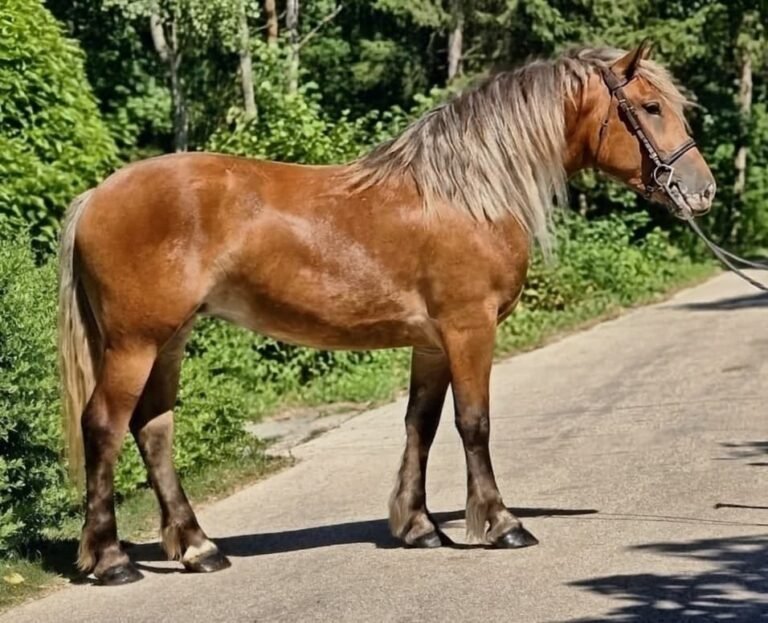 Dressage Horse
 Dressage Horse
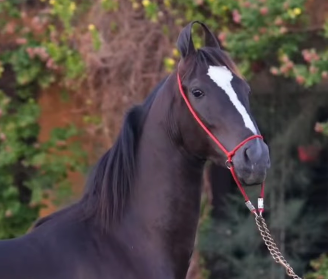 Marwari Horse