

Introduction

In Indian stables, foals begin life with a fragile immune system. For many owners, access to a veterinarian is limited, often translating to delayed decisions when a newborn faces health challenges. The first hours after birth are crucial for passive immunity, delivered through the mare’s colostrum. This field guide offers practical, on-farm steps to optimize colostrum timing and passive transfer, tailored to common conditions across Indian studs and smallholdings. For broader context on breeding and mare management, you can explore stud farms or browse horses on our platform.
Why colostrum timing matters
Colostrum is rich in antibodies and energy that the foal cannot obtain from regular milk after birth. The neonate’s gut is only able to absorb these antibodies effectively for a short window—primarily within the first several hours. In field settings with limited veterinary access, delays in receiving adequate colostrum increase the risk of infections, poor growth, and, in severe cases, life-threatening sepsis. Early, purposeful management gives foals the best start, even when professional help is not immediately at hand.
A practical field guide: steps you can take
Before birth and immediate post-birth actions
- Ensure the mare is well hydrated and has had appropriate vaccination and vaccination history reviewed with a local veterinarian if possible. A healthy mare tends to produce better quality colostrum.
- Prepare a clean, warm foaling area with fresh bedding, towels, a clean bottle or feeding syringe, and a ready stock of colostrum replacer if available.
- Plan for the possibility that the foal may need assistance; some newborns latch slowly or not at all in field conditions. Having a calm, quiet environment reduces stress and improves nursing success.
The critical window: first 6–12 hours
The majority of immunoglobulin transfer occurs in the first hours after birth. Ideally, the foal should receive significant colostrum within the first 4–6 hours, though any intake within the first 12 hours is beneficial. In remote Indian farms, practical strategies include feeding colostrum from the mare or a trusted banked source, or using a reputable colostrum replacer and delivering feeds every 2–4 hours during the first day. Timely access to warmth, clean water, and a consistent routine supports absorption and reduces stress for both dam and foal.
What to do if the mare’s colostrum is insufficient
- If banked colostrum from a healthy mare is available, feed it promptly in addition to nursing attempts.
- Use a commercial colostrum replacer following the label, ensuring it is stored properly and warmed to body temperature before administration.
- If banked colostrum or replacers are not accessible, consult a local breeder or feed supplier about alternate sources. Do not substitute with ordinary whole milk or other fluids that do not provide immunoglobulins.
How to monitor passive transfer on the field
In low-resource settings, verifying passive transfer relies on careful observation and, if possible, simple on-farm tools. Look for indicators such as:
- Foal shows a strong suck reflex and nurses within the first few hours
- Foal maintains energy, stands, and feeds regularly after birth
- Mare produces clear, adequate colostrum and the foal accepts it readily
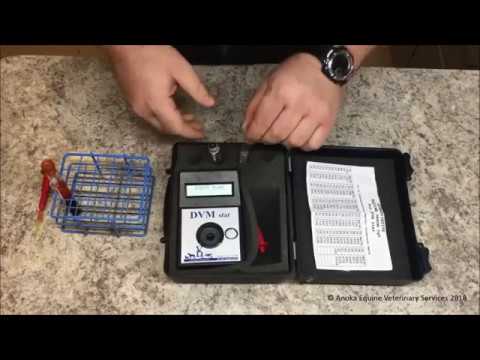
Where available, use an on-farm IgG screening test such as a refractometer-based assessment around 12–24 hours after birth to gauge passive transfer. If the reading suggests low transfer, seek veterinary guidance as soon as possible.
Practical dos and don’ts in Indian conditions
- Keep the foal warm and dry; cold stress worsens outcomes in neonates.
- Limit stress in the foaling area by maintaining quiet surroundings and minimizing disturbances.
- Record feeding times and volumes to monitor intake and growth trajectory.
- Maintain clean equipment and handle colostrum feeds with hygienic care to reduce contamination risk.
A practical checklist for foal birth day
- Prepare a clean, warm foaling area with fresh bedding
- Ensure access to fresh colostrum or a reputable replacer
- Monitor foal within the first 2 hours for nursing; intervene if necessary
- Offer feeds every 2–4 hours during the first 12 hours
- Note times of first suck, any assistance provided, and mare’s colostrum status
- Where possible, arrange on-farm IgG testing at 12–24 hours
Recording and continuity
Maintain a simple foal log including dam identity, birth time, first nursing time, colostrum source, total feeds, and IgG test results if performed. On stud farms with multiple mares, such records help identify mares with weaker colostrum output and guide future management decisions. For broader context on farm-level practices, you may explore stud farms or browse horses to learn how others are handling neonatal care and colostrum strategy.
Recognizing when professional help is needed
Even with best on-farm practices, some foals may show signs of inadequate passive transfer. Common signs include persistent lethargy, poor nursing, cold limbs, and failure to thrive. If you observe these, contact a veterinarian at the earliest opportunity. In urgent situations where transport is challenging, prioritize warmth and stability for the foal while you arrange remote or local veterinary support. A timely professional assessment remains essential if a foal fails to thrive.
FAQs
1. How soon should a foal receive colostrum after birth?
Ideally, the foal should receive colostrum within the first few hours after birth, with optimal absorption in the first 4–6 hours. Any intake within the first 12 hours improves chances of adequate passive transfer, but the sooner, the better in field conditions.
2. What should I do if the foal isn’t nursing well in the first hours?
Encourage and assist nursing, keep the mare calm, and ensure a clean, warm environment. If the foal won’t latch or remains weak, offer colostrum replacer per label instructions, and seek veterinary advice as soon as possible. Gentle stimulation and a quiet routine can help coax the foal to nurse.
3. How can I assess passive transfer without a full vet facility?
In low-resource settings, an on-farm quick test (such as a Brix refractometer assessment) can give a practical indication of passive transfer likelihood. Use the test with guidance from a veterinarian or extension service. If results suggest low transfer or if the foal is not thriving, arrange veterinary evaluation promptly.
4. Can we use another mare’s colostrum or a colostrum replacer when the dam’s milk is insufficient?
Yes. Donor colostrum from a healthy mare or a reputable colostrum replacer can bridge the gap. Ensure proper storage and handling, feed promptly, and avoid non-colostral fluids as substitutes. The foal has special immunological needs, and improper feeds can increase sepsis risk.
Explore India’s Equine Marketplace
Discover horses, stallions, stud farms and trusted equine services on IETA.
 Dressage Horse
 Dressage Horse
 Marwari Horse