

Understanding hydration and heat stress in Indian summers
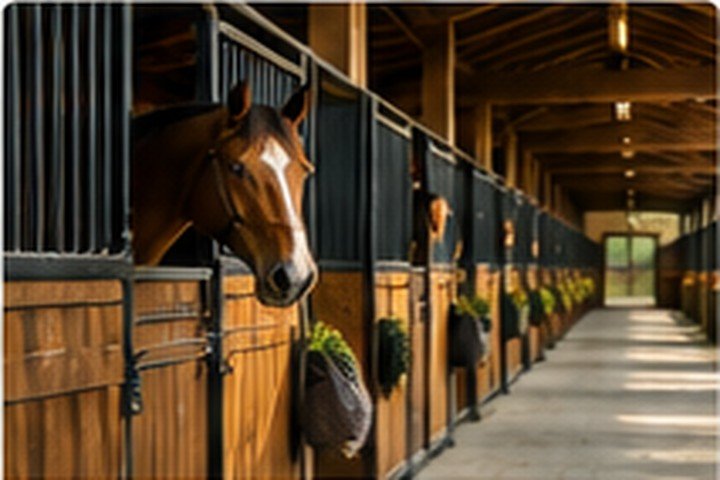
In India, hot days are often accompanied by high humidity, which can intensify heat stress for horses. Hydration is not only about water; it is about maintaining fluid balance, electrolyte supply, and steady energy, so that sport horses, broodmares, and leisure mounts stay comfortable and responsive. This guide shares practical routines and smart choices that fit real-life farms and riders across India—whether you’re managing a small stable near Mumbai, a breeding operation in Rajasthan, or a riding club in Bengaluru.
Recognising heat stress and dehydration
Heat stress can creep up even on horses that appear to cope well. Early signs include increased panting or heavy breathing, sweating that does not lead to effective cooling, dry or tacky gums, lethargy, reluctance to drink or move, and slower recovery after exertion. In hot, humid conditions, a horse may become irritable, stand with a tucked abdomen, or seek shade yet show little interest in work. If any of these signs persist, pause activity, offer water, and consult a veterinarian if symptoms worsen. Remember that foals, elderly horses, or those with pre-existing conditions may react sooner to heat and dehydration.
Core hydration principles for hot days
- Provide constant access to clean, fresh water. In hot weather, troughs or buckets should be checked several times a day, and water levels should stay topped up, particularly after exercise or turnout. If you work with small paddocks, place multiple water points so every horse can drink without competing.
- Salt and electrolytes: free-choice salt is a simple way to support water intake. For horses that sweat heavily, electrolyte supplements added to water or feed can help replace minerals lost with sweat. Do not rely on salt alone; electrolytes should be used as part of a balanced plan advised by a veterinarian or qualified equine nutritionist.
- Feed and water synergy: forage, especially moist grass or hay, contributes to hydration, but do not depend on feed to meet all water needs. Include cool, fresh water alongside feed routines. In summer, you may notice increased thirst after grazing; ensure water is readily available at the gate or passage where horses re-enter the stable.
- Shade and airflow: access to shade and good airflow reduces the risk of overheating. Fans or natural ventilation in stables, plus wind from open doors and windows, matter as much as water. In monsoon-prone areas, ensure rain protection for feed and water outlets to prevent contamination and discourage moldy forage consumption.
Hydration during exercise and travel
Plan workouts for cooler parts of the day—early morning or late afternoon. Allow a short rest with water available during sessions, and ensure a thorough cool-down that emphasizes gradual temperature reduction. After work, offer water or a small amount of electrolyte-enriched fluid as soon as the horse is settled. Do not push a horse with signs of overheating; if necessary, shorten or reschedule workouts until conditions improve. For longer rides or transport, arrange additional water stops and check appetite and mood on arrival to gauge hydration status.
Feeding and nutrition adjustments in heat
Ration changes can support hydration and energy without overloading the gut. Focus on high-quality forage and consider soaking hay to improve palatability in hot weather and to reduce dust, especially if humidity is high. If grains are part of the diet, feed in smaller, more frequent portions rather than large meals near training times. Ensure minerals and vitamins are balanced to support fluid regulation and muscle function. In India’s varied climates, it helps to work with a local equine nutritionist who understands regional fodder, water quality, and typical work patterns. Always tailor adjustments to the horse’s workload, age, health, and climate; when in doubt, consult your equine nutritionist.
Practical guidelines for different settings
Stable and paddock management
Stable design matters: keep open airflow, use fans where possible, and ensure water lines and troughs drain cleanly. In paddocks, provide shade structures, ample airflow, and access to multiple water points if turnout is large. Regularly clean troughs to prevent algae and bacteria growth, which can discourage drinking and compromise water quality. Invest in a simple, durable water testing routine—checking for taste, odor, and cleanliness helps maintain trust in the system among staff and horses alike.
Special considerations for sport horses and breeding stock
Sport horses, especially those in training or competing in warmer months, may require more frequent electrolyte support and more attentive hydration monitoring. Broodmares and foals need stable access to water and comfortable temperatures to prevent dehydration during late gestation and lactation. Schedule hydration-friendly routines around training blocks so feedings and water availability align with recovery periods. For farms with intense breeding programs, consider shaded holding areas and easy access to water during late pregnancy and the post-partum phase when fluid balance can shift rapidly.
Daily routine checklist for hot days
- Provide constant access to clean water; check troughs twice daily and after rides.
- Offer free-choice salt and, if sweating heavily, discuss electrolytes with your vet.
- Schedule workouts for cooler times; ensure a proper cool-down and gradual return to rest.
- Provide shade, fans, and good airflow in stables; create comfortable turnout options for heat management.
- Monitor horses for signs of overheating or dehydration and document daily observations.
- Keep forage fresh and consider soaking hay in extreme heat or post-monsoon humidity to reduce dust and aid hydration.
- Coordinate staff roles for hydration checks, water quality, and early signs of distress during heat waves.
Cooling strategies that support hydration
Hydration is complemented by effective cooling. Use shade covers to reduce direct sun exposure, supplemented with water misters or hose-downs during breaks. After exercise, offer water first, followed by a light walk or grazing in short, frequent intervals. Avoid abrupt, intense cooling with very cold water, as it can be uncomfortable for some horses. Instead, aim for gradual temperature reduction across 10–20 minutes as the horse re-enters rest. If you’re transporting horses, a light pre-cool at the destination can help them settle more easily.
Monitoring and record-keeping
Keep a simple hydration log: water intake observations, signs of heat stress, the timing of workouts, and responses to electrolyte use. A quick note on mornings and evenings helps identify trends and adapt routines as the season shifts. For breeders and stud farms with larger teams, appoint a hydration captain to oversee water quality, shade availability, and staff training on recognizing early warning signs. In busy seasons, short, consistent checks beat occasional long visits that miss subtle changes in behavior or appetite.
FAQ
Q1: What are the early signs of heat stress in horses?
A1: Look for increased panting or laboured breathing, dry gums, lethargy, reluctance to drink or move, and slower recovery after exertion. If signs persist or worsen, pause activity and seek veterinary advice promptly.
Q2: How often should water be offered in hot weather?
A2: Water should be available at all times, with frequent checks and replenishment, especially after exercise. Ensure water remains clean and free of debris, and place water points in convenient locations to reduce reluctance to drink.
Q3: Should I give electrolytes, and how do I balance them with water?
A3: Electrolytes can help replace minerals lost through sweat. Use them as part of a balanced plan, ideally under veterinary or nutritionist guidance. Do not rely on electrolytes alone; ensure fresh water and forage are available, and tailor the dosage to the horse’s workload and climate conditions.
Q4: How should I adjust riding and training in summer?
A4: Schedule workouts for cooler times, shorten sessions if heat or humidity is high, and emphasize gradual warm-ups and cool-downs. Monitor hydration status closely and be prepared to shorten or pause sessions if signs of distress appear. Always have a plan to move training indoors or reschedule when heat spikes.
For practical resources, you can Browse horses if you’re in the market for a new mount, or explore supplies at the Shop. If you’re involved in breeding or stud work, consider Explore stud farms to connect with teams that prioritize stable summer care, and remember to Visit IETA for broader guidance and community insights.
Conclusion
Summer heat is a predictable challenge for horse owners in India, but with proactive hydration, balanced electrolytes, shade, and smart routine planning, you can protect your horses’ health and performance. Hydration is a daily discipline that pays dividends in comfort, recovery, and mood—whether you’re riding a sport horse, caring for a broodmare, or managing a busy stable. Start with a simple routine, monitor responses, and adjust as the season shifts. Your horse will thank you with steady energy, better digestion, and a calmer, more reliable performance through the hot months.
Explore India’s Equine Marketplace
Discover horses, stallions, stud farms and trusted equine services on IETA.

 Dressage Horse
 Dressage Horse
 Marwari Horse