

Introduction
The first year in a foal’s life is foundational. Its health, growth, temperament, and even future athletic potential hinge on careful management during those early months. For Indian owners, breeders, riders, and stud farms, a practical approach blends common-sense husbandry with veterinary guidance, good nutrition, and thoughtful handling. This article offers a grounded, year-long perspective on foal care, with clear steps you can adapt to your yard, your climate, and your mare’s temperament.
Key to success is planning ahead. From the mare’s late pregnancy to the foal’s weaning, small routine actions accumulate into strong bones, steady digestion, confident nerves, and a foal that can learn and grow safely. We’ll cover birth basics, daily care, growth milestones, health vigilance, nutrition, handling, and a practical year-one checklist. For breeders and stud farms, the piece also highlights considerations when you’re planning future breeding and sale prospects, with pointers to useful resources on IETA.
Note: always align your practices with your local veterinarian’s advice. This article provides practical guidance and does not substitute professional veterinary care. For broader resources and listings, you may explore options on IETA, including horses, stud farms, and services.
Before birth and in the hours after birth: immediate steps
Colostrum and bonding
The first hours after birth are critical. The foal relies on colostrum for passive immunity and energy. Ensure the foal nurses promptly and steadily. If nursing appears weak or delayed, consult a veterinarian promptly because passive transfer is a key determinant of early resilience. The mare should be monitored for firm bonding and a quiet, clean environment helps both mare and foal settle.
Umbilical care and initial health checks
Keep the foal and mare in a clean, dry environment. The umbilical stump is a portal for infection if not kept clean and dry. Your routine may include a veterinary-approved umbilical care protocol, which often involves gentle cleaning and avoiding harsh substances. Schedule a veterinary check soon after birth to verify that the foal stands, nurses, and exhibits normal vigor. Early checks help identify issues such as difficulty standing or weak suckle, which can be time-critical in foals.
Daily care in the first weeks: environment, nutrition, and observation
Housing, bedding, and safety
Provide a safe, well-bedded foaling box or paddock with non-slip footing. The space should be spacious enough for a foal to move and lie down comfortably, with clean water available at all times. Regularly remove wet or soiled bedding and ensure there are no hazards like sharp edges or protruding nails. An enclosed area that allows the mare to keep an eye on her foal while offering protection from extreme heat or cold is ideal for the first 6–8 weeks.
Nutrition basics for mare and foal
The mare’s nutrition directly influences the foal’s growth. A well-balanced diet that supports milk production is essential. Foals typically drink milk for the first two to four months, with their appetite gradually diversifying as they explore solid foods. Introduce clean, palatable forage early and ensure water is always available. As the foal grows, you’ll start planning the transition to solid feeds under veterinary guidance. Avoid abrupt changes that can upset digestion.
Monitoring growth, health cues, and routine checks
Daily observations are invaluable. Note appetite, weight gain, breathing, nursing behavior, and the foal’s coordination. Subtle changes in gait, posture, or energy can indicate issues requiring veterinary attention. Regular, brief handling sessions help the foal become accustomed to people while preserving its natural curiosity and confidence.
Growth milestones: 0–3 months, 3–6 months, 6–12 months
0–3 months
In this period, the foal is mostly nursing and learning to stand, walk, and interact with the mare. The focus is on stable growth, socialization, and navigation of a small paddock. Gentle handling helps with halter acclimatization and daily routines—grooming, feet checking, and gentle leading. If you see persistent lameness, poor nursing, or respiratory signs, seek veterinary input promptly.
3–6 months
Weaning is a major transition during the second phase of the first year. The timing and method vary depending on management, proximity to other foals, and veterinary guidance. Work with your vet to plan a gradual transition from milk to forages and concentrates. The foal’s bones become more robust, and it’s a good window to introduce controlled exercise, hill work, and safe turnout that promote balance and proprioception without overloading growing limbs.
6–12 months
From about six months onward, foals typically strengthen, grow in height, and begin more varied play and social interaction with other horses. This is a suitable window to initiate more structured handling and basic training—leading, halter work, and safe grooming routines. Monitor growth to avoid excessive weight gain, which can stress joints. If you have plans for sale or stud prospects, begin documenting temperament, growth rates, and health records that prospective buyers or partners will value.
Health, vaccines, and veterinary care: a practical framework
Vet involvement and general practices
Establish a relationship with a veterinarian experienced in foal health. Regular checks during the first year help detect issues early. Vaccination schedules and deworming plans should be tailored to your region, climate, and local parasite pressures, and adjusted as the foal grows. Do not start or alter schedules without professional guidance.
Warning signs that require veterinary attention
Alarming signs include persistent fever, lethargy, poor nursing, swollen joints, coughing with rapid breathing, or any obvious trauma. If the foal refuses to stand or nurse for extended periods, or if the mare shows signs of distress, contact your veterinarian without delay. Quick action can prevent minor issues from becoming serious problems.
Handling, training, and socialization: laying a solid foundation
Gentle handling and halter training
Early, low-stress handling is essential. Short, regular sessions teach the foal to accept halters, lead ropes, and basic grooming. Keep sessions positive and end on a calm note. The goal is a confident foal that views human interaction as predictable and safe, laying the groundwork for future riding or breeding activities.
Weaning considerations
Weaning is a milestone that must be managed with care to minimize stress. A gradual approach, with a familiar mare nearby during the transition, can help. Provide consistent routines, shelter, and access to forage and water. Monitor the foal for changes in appetite, mood, or movement, and adjust the plan in consultation with your veterinarian.
Nutrition and feeding management for the first year
Milk and the transition to solid foods
Milk is the primary nutrition source in early life, but foals should begin nibbling forage and creep feeds as they grow. Introduce high-quality forage first, then a foal-specific concentrate as advised by your vet. Ensure a steady supply of clean water and avoid sudden dietary shifts that could disrupt digestion.
Pasture, forage, and supplements
Pasture quality matters. Provide safe, non-toxic grazing and monitor for poisonous plants or dangerous fences. For foals and growing horses, minerals and vitamins should come from a balanced diet rather than high-dose supplements unless prescribed by a veterinarian. Always check feed constituents and ensure there is no moldy hay or spoiled grain in the feed area.
Practical feeding notes
Schedule feeding times consistently. In India’s climate zones, heat, monsoon, and humidity can influence appetite and digestive health. Use shaded, well-ventilated spaces for feeding and avoid extreme temperatures during feeding times to keep foals comfortable and eating well.
Planning for the year ahead: breeding considerations and stud farm links
For breeders and those managing stud farms, the foal’s first year connects to long-term plans. If you’re evaluating prospects for future breeding or stallion performance, consider temperament, growth patterns, and reliability in daily care. You can explore breeding-related resources and listings to inform decisions about future matings or sales by visiting Explore stud farms and, for broader horse listings, Browse horses. Finally, for general resources and connections within the IETA network, you may Visit IETA to access broader marketplace information.
Practical year-one checklist
- Ensure mare and foal have a clean environment and fresh water every day from birth.
- Schedule a veterinary check within 24–48 hours of birth to assess stability, nursing, and vitality.
- Observe colostrum intake and social bonding; contact a vet if nursing is weak or delayed.
- Keep the umbilical stump clean and dry as advised by your veterinarian.
- Introduce gentle handling and halter acclimatization in the first 2–3 weeks.
- Provide safe, non-slip footing and protective turnout to support locomotion and balance.
- Monitor growth and appetite; discuss a vaccination and deworming plan with your vet.
- Plan the weaning window with your veterinarian, considering the foal’s temperament and farm logistics.
- Begin a basic training routine: leading, grooming, safe restraint, and touch tolerance.
- Maintain a calm, predictable routine to support learning and reduce stress during transitions.
Conclusion
The first year of a foal’s life is a period of rapid development and learning. With attentive mare care, a clean environment, thoughtful nutrition, careful handling, and proactive veterinary involvement, you create the foundation for a healthy, balanced horse—whether you’re aiming for a working partner, a breeding prospect, or a future competition horse. Adapt these guidelines to your yard’s climate and management style, and stay connected with your veterinarian for tailored plans. For more resources and community guidance, explore the IETA network, where breeders, owners, and stud farms share knowledge and opportunities.
FAQ
1. How soon after birth should a foal receive colostrum?
Colostrum should be consumed in the first hours after birth, ideally within the first 6–12 hours. If there are concerns about passive immunity transfer, consult your veterinarian promptly.
2. When is the best time to start weaning a foal?
Weaning timing varies with management and veterinary guidance. A gradual transition that minimizes stress—often around the middle to late first year—helps the foal adapt to solid feeds while maintaining health and temperament.
3. What signs indicate a health problem in a foal?
Watch for persistent lethargy, poor nursing, abnormal fever, rapid breathing, coughing, swelling in joints, or a reluctance to move. Any sudden or persistent changes warrant veterinary assessment.
4. How can I help a foal develop good handling skills?
Begin with short, positive handling sessions focused on grooming, leading, and halter acclimatization. End each session calmly and gradually increase exposure to new stimuli to build confidence while avoiding stress.
Explore India’s Equine Marketplace
Discover horses, stallions, stud farms and trusted equine services on IETA.

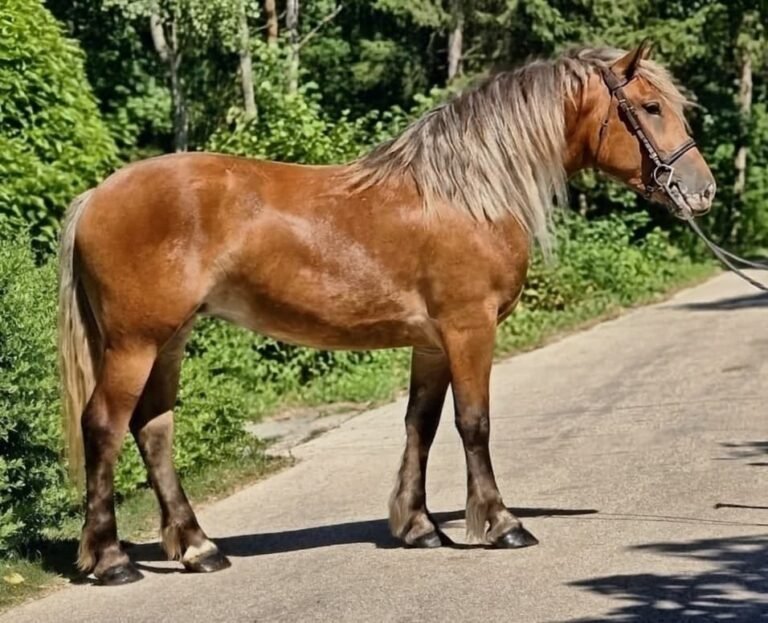 Dressage Horse
 Dressage Horse
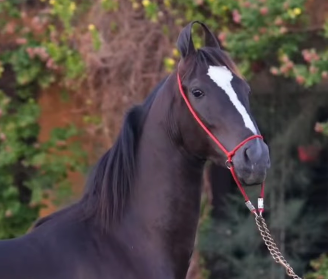 Marwari Horse