


Introduction
Parasite control is a constant concern for Indian stables, where weather, grazing patterns, and management practices influence what horses need and when. Fecal Egg Count (FEC) testing is a practical tool that helps owners tailor deworming to each horse’s real parasite load rather than applying blanket treatment. Used wisely, on-farm FEC testing can improve health, reduce costs, and limit anthelmintic resistance over time.
This guide walks owners and breeders through a step-by-step approach to implementing FEC testing in Indian stables—whether you run a breeding shed, a sport facility, or a family-owned cavalry stable. The goal is clear: evidence-based deworming that fits the individual horse, the herd, and the season.
Why FEC testing matters for Indian stables
Pasture-based systems common in many regions create variable parasite exposure. Monsoon humidity, dense paddocks, and mixed-age groups can lead to fluctuating parasite burdens. Routine deworming without data risks under-treating some horses and over-treating others, which can increase drug resistance and costs. FEC testing provides a practical snapshot of the current parasite load in each horse, enabling smarter decisions about when and what to deworm.
For breeders and sport horses, targeted deworming supports performance and recovery. For farmers managing multiple paddocks, it helps align worm control with foal health, stallion conditioning, and general barn biosecurity. Used alongside good pasture management and hygiene, FEC testing becomes a cornerstone of modern stable management.
Step-by-step: On-farm FEC testing for tailored deworming
Step 1 — Plan with a veterinarian or equine health professional
Before you collect samples, establish a plan with a trusted veterinarian or diagnostic lab. They can help you decide which horses to test, how often to test, and how to interpret results in the context of your climate and management. Set targets for your herd and agree on reporting formats so all stakeholders—owners, groom staff, and riders—are aligned.
Tip: Start with a baseline by testing 10–20% of your horses, including different ages, both sexes, and those in varied paddocks. Use this baseline to tailor future sampling and deworming decisions.
Step 2 — Prepare for sample collection
Gather clean, labeled sample containers, gloves, marker pens, and a small cooler or insulated bag if samples must travel to a lab. Prepare a simple tracking sheet or log: date, horse name or ID, pen/paddock, coat condition, recent deworming history, and any health notes. Label each sample clearly to avoid mix-ups.
Maintain strict biosecurity: wear clean gloves, avoid cross-contamination between samples, and prevent fecal contamination with bedding or soil. If you have foals, collect separately and note developmental stage as it can affect parasite risk.
Step 3 — Collect and label samples
Collect fresh fecal samples from a clean, dry area of the horse’s stall or paddock. If possible, collect within a few hours of defecation to ensure egg viability is maintained for accurate counts. Collect multiple subsamples per horse if the horse is large or if you suspect uneven parasite distribution; combine them into one representative sample per animal. Label each sample with horse ID, date, and time.
A void sample for horses with diarrhea where counts may be unreliable; note the condition in your records and discuss with your vet. If you’re testing a group, mark samples per individual to avoid confusion later.
Step 4 — Run the test or send to a lab
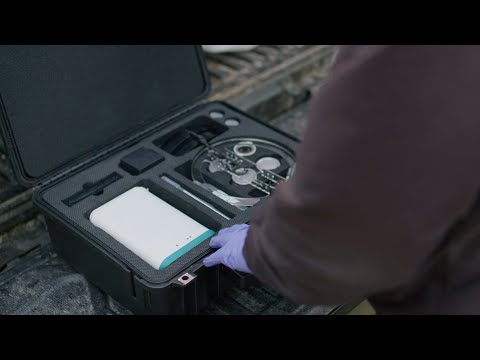
There are two main routes: on-farm testing with portable kits or sending samples to a diagnostic lab. On-farm kits can provide quick estimates of eggs per gram (EPG), while labs may offer more standardized analyses and quality control. If you’re using a kit, follow the manufacturer’s protocol carefully, including timing, mixing, and reading the results. If sending to a lab, ensure samples are cooled and delivered promptly to preserve integrity.
Share the results with your veterinarian and keep a copy in your farm records. Consistency in testing method over time is key for meaningful trend analysis.
Step 5 — Read, interpret, and act on results
FEC results are typically expressed as eggs per gram (EPG). Understanding what constitutes low, moderate, or high counts depends on species, life stage, and the horse’s clinical signs. In practice, interpret ratios in the context of the horse’s history, recent treatments, and season. A low EPG in a healthy horse may not require immediate deworming, while a higher count in a susceptible animal or during peak parasite seasons warrants targeted intervention.
Always interpret FEC alongside clinical observations such as appetite, coat condition, weight, and performance. Remember that some horses tolerate higher parasite loads without obvious signs, while others show subtle declines that warrant attention.
Step 6 — Tailor the deworming plan
The core idea is targeted deworming based on actual parasite burden rather than blanket treatment. In practice, this means:
– Using dewormers only for horses with elevated EPG or specific parasite risks, as advised by your veterinarian.
– Avoiding routine blanket dosing of all horses; focus on those with higher egg counts or higher risk profiles.
– Considering refugia concepts: partial untreated parasite populations can help slow resistance; your vet can guide how this applies in your farm context.
– Integrating pasture management: remove manure regularly, rotate paddocks, and ensure dry, well-drained turnout to reduce exposure.
Record each intervention, including date, horse ID, product used, and observed response. If a horse shows persistent high counts, re-evaluate the plan with your veterinarian rather than repeating the same approach.
Step 7 — Record-keeping and follow-up
Maintain a central log for all FEC results, deworming dates, products, and health notes. Use this data to track trends across months and seasons. Schedule a follow-up test about 4–8 weeks after a deworming event to assess efficacy and adjust the plan accordingly. Periodic reassessment is essential, especially when weather shifts or new horses join the stable.
Practical tips and a sample calendar
Seasonal patterns influence parasite exposure. In many parts of India, the monsoon season brings higher humidity and pasture contamination. A practical approach could include baseline testing in the pre-monsoon period, followed by targeted deworming and a mid-season re-test, with a final check after the monsoon when horses resume regular turnout patterns. Integrate these tests with routine veterinary checks and vaccination schedules.
To keep momentum, assign a responsible person or team member to manage sample collection and record-keeping. Use a simple template for tracking: horse ID, baseline EPG, treatment given, follow-up EPG, and date of the next planned test.
Checklist: Essential on-farm FEC toolkit
- Clean sample containers and labels
- Protective gloves and hand sanitation supplies
- Marker, pen, and a dedicated log or digital record
- Cooler or insulated bag for sample transport (if sending to a lab)
- Access to a veterinary or diagnostic lab or an on-farm FEC kit
- Clear deworming plan and contact details for your vet
- Pasture management plan: manure removal schedule, paddock rotation
Bringing it all together: practical considerations for Indian stables
On-farm FEC testing is most effective when integrated with a broader stable management strategy. Use the data to tailor deworming while maintaining good pasture hygiene and balanced nutrition. Regular communication with a veterinary professional ensures you interpret results correctly and act safely for each horse. And as you refine your program, consider the broader equine ecosystem: connect with other owners and breeders to share experiences and lessons learned, such as those you can find through community resources like Browse horses or Explore stud farms.
For those overseeing breeding operations or larger stables, linking FEC data to breeding schedules and performance programs can help you keep horses sound and ready for work or show. If you’re curious about broader market context or want to compare with peers, you can also explore curated listings and resources through our network, including View stallions and other service providers.
Conclusion
Fecal Egg Count testing is a practical, evidence-based tool that can transform parasite control in Indian stables. When paired with vigilant record-keeping, veterinary collaboration, and good pasture hygiene, FEC-guided deworming helps horses stay healthier, perform better, and spend less on unnecessary medicines. Start with a baseline, plan thoughtfully, and let your data lead the way to smarter, more sustainable parasite management.
FAQs
1. What exactly is Fecal Egg Count (FEC) testing?
FEC testing measures parasite eggs per gram of feces, giving a quantitative assessment of a horse’s parasite burden. It helps determine which horses need treatment and when, rather than deworming everyone indiscriminately.
2. How often should I test my horses?
Frequency depends on exposure, season, and horse risk. A common approach is a baseline test, followed by targeted testing 4–8 weeks after deworming and periodic checks 3–6 months apart, with extra monitoring during high-risk periods like the monsoon season. Always align with your veterinarian’s advice.
3. Can I perform FEC testing entirely on-farm?
On-farm kits can provide quick estimates, but accuracy matters. If you lack experience, consider sending samples to a diagnostic lab or working with a veterinarian to ensure proper technique and interpretation. Consistent methodology over time is crucial for reliable trends.
4. Will FEC testing replace all deworming?
No. FEC testing is one component of an integrated parasite-control plan. Combine FEC data with pasture management, timely deworming when needed, and good nutrition to maintain horse health and performance. Always consult your vet for a tailored plan.
Explore India’s Equine Marketplace
Discover horses, stallions, stud farms and trusted equine services on IETA.
 Dressage Horse
 Dressage Horse
 Marwari Horse