


For Indian horse owners, breeders, and stud farms, moving a horse across state lines is a routine yet high-stakes operation. From a buyer’s perspective, transport insurance is not a luxury; it is a practical safeguard against the uncertainties of long-haul journeys, variable handling, and the fact that every mile of transit adds risk. This guide focuses on choosing the right coverage for cross-state movement in India, understanding claims processes, and knowing what policy terms merit closer attention before you sign on the dotted line.
Why transport insurance matters for cross-state moves

State-to-state transport often involves multiple handlers, routes, and an average travel time that can be affected by weather, road conditions, and scheduling. Even with reputable transport operators, accidents, delays, or injuries can occur. A well-chosen policy helps you manage unexpected veterinary costs, potential mortality or humane euthanasia scenarios, and the financial impact of delays or route changes. For breeders and stud farms, a robust plan protects you from loss of a valuable asset and helps maintain continuity of stock movements, whether for sales, breeding commitments, or veterinary transfers.
Core coverage options you’ll likely encounter
When you’re comparing policies for cross-state movement, you’ll typically see several layers of coverage. Understand how they fit together and where gaps can arise.
- Transit liability cover: This protects you in case the transport operator is liable for third-party injury or property damage during transit. It’s essential because public liability gaps can expose you to significant costs if, for example, a vehicle collision affects nearby property or bystanders.
- Transit cargo/horse in transit cover: This is the core coverage for the animal itself. It can pay for veterinary treatment required during transit, hospitalisation if the horse is injured, and sometimes mortality during transit. Some policies separate medical costs from mortality/misrand, so read the details carefully.
- Medical expenses during transit: Vet bills incurred specifically due to transit-related injuries or illness may be reimbursed. Ensure the policy clarifies what triggers medical coverage and who’s authorized to treat the horse.
- Mortality and humane euthanasia: If the horse dies or must be euthanised during transit, this coverage compensates the policyholder up to the insured value. Verify the definition of “death in transit” and any waiting periods or exclusions.
- Repatriation and replacement costs: Some policies offer costs to transport a replacement or repatriate remains, which can be valuable if a horse dies far from home.
- Delay and disruption: A few policies cover additional costs tied to delays—such as extended boarding or alternative transport arrangements—when a scheduled move is disrupted by incidents beyond your control.
- Pre-existing conditions and exclusions: Most policies exclude conditions that were present before the policy was issued or before the transport began. Be prepared to disclose the horse’s medical history honestly.
While these coverages are common, the exact inclusions, sub-limits, and deductibles vary. Some insurers may bundle multiple coverages, while others price them à la carte. It’s important to map your specific move—distance, route, weather window, and the horse’s health status—to the policy features that matter most.
Policy terms to watch with a critical eye
p>Policy language can be dense. Here are the terms you should scrutinize before you buy, especially for cross-state transport in India:
- Sum insured vs. value of the horse: The insured value should reflect the horse’s market value and potential breeding or sale value. If you underestimate, you may face under-insurance, which reduces claim payouts.
- Geographic scope and route specificity: Some policies specify a route or a set of states. If your move involves alternate routes, confirm coverage for those paths. Ensure you’re covered for the full itinerary, from pickup to delivery.
- Transit window and durations: Coverage often ties to a defined trip window. Delays beyond the stated period can affect claims. Plan for rest stops, veterinary checks, and overnight breaks; confirm how they’re treated under the policy.
- Exclusions and pre-existing conditions: Make sure you disclose any known conditions. Some policies exclude pre-existing issues or limit coverage for conditions that are not promptly disclosed.
- Deductibles and sub-limits: A deductible is the amount you pay out of pocket before coverage applies. Some items (like veterinary care for transit) may have separate sub-limits or caps. Compare the total potential payout with the deductible to assess true value.
- Documentation requirements: Insurers often require a documented trail of veterinary records, vaccination status, and the transport plan (including the carrier, route, and handlers). Missing paperwork can delay or reduce claims.
- Claim settlement and dispute process: Look for clarity on claim approval timelines, the required documentation, and whether there is an option for direct settlement with the transport operator or a payout to the owner.
- Renewals and no-claim discounts: Some providers offer premium reductions after consecutive claim-free years. Check how this works and whether it applies to ongoing cross-state movements.
In short, you want a policy with transparent limits and well-defined terms that align with the realities of Indian road and weather conditions. Don’t hesitate to ask hard questions about limits per incident, aggregate annual caps, and how multiple incidents within a single move are treated.
The practical claims process: what to expect
Having a plan is one thing; knowing how to execute a claim quickly is another. A smooth claims process reduces stress during an already challenging time on the road.
- Immediate steps: If you suspect an incident, notify the insurer as soon as possible. Secure the horse’s safety, arrange veterinary assessment if needed, and document the scene with photos or video from multiple angles.
- Documentation you’ll need: A copy of the transport contract or bill of lading, photos of the horse, veterinary reports, any incident reports from the transport operator, and proof of the purchase price or value of the horse. A route plan and timelines can also help substantiates claims.
- Medical and veterinary invoices: Retain all original invoices and veterinary notes. The insurer may require these for validation of medical expenses incurred during transit.
- Coordination with the transport operator: Some insurers require you to work directly with their approved network of veterinarians or clinics. Ensure you understand who bears responsibility for arranging treatment and payment in the short term.
- Time limits: Most policies specify notice and claim deadlines. Delays can jeopardize coverage, so aim to initiate the claim promptly and follow every stipulated step.
Keep a digital folder of all documents and note the policy number, contact points, and claim reference numbers. In real-world practice, clear communication with both the insurer and the transport operator often accelerates settlement and reduces friction during an already tense episode.
Practical buyer’s checklist for cross-state moves
Use this quick-reference checklist when you’re evaluating quotes and drafting a transport plan for your horse:
- Define the move precisely: Dates, pickup and drop-off locations, total distance, and the planned route. Include contingency routes in case of road closures or weather.
- Match coverage to risk: If the horse is valuable or has breeding potential, prioritize higher limits for mortality and medical costs. If the route is long or remote, consider delay coverage and repatriation options.
- Review inclusions and exclusions carefully: Pay attention to pre-existing conditions, route coverage, and any restrictions on horses over 6–8 years or with known health issues.
- Check the claim path: Does the insurer offer direct settlement with the transport operator, or will you be reimbursed after paying charges? What is the typical turnaround time?
- Assess deductibles and total cost: A lower premium may come with a higher deductible or smaller sub-limits. Compute the worst-case out-of-pocket and compare.
- Document readiness: Gather veterinary history, vaccination status, identification, and a clear value assessment. Ensure you have a transport contract and contact details for the carrier and insurer handy.
- Check for value-added supports: Some policies include access to veterinary helplines, rapid response networks, or assistance with quarantine logistics if needed during a move.
For buyers who want to cross-check options while exploring partner services, consider starting from the marketplace’s resources and community listings to compare not just prices but service levels. You can browse horses and related services or explore stud farms to understand the broader ecosystem you’re moving within: Browse horses, Explore stud farms, View stallions, or simply Visit IETA.
Choosing the right insurer and policy for your needs
With cross-state transport, reliability and transparency matter as much as price. Consider these practical steps when selecting an insurer:
- Experience and network: Look for insurers with demonstrated experience in equine transport and a network of veterinary partners or clinics along major Indian corridors.
- Clear definitions and language: Favor policies that spell out coverage triggers, limits, and exclusions in straightforward language, with examples for transit scenarios common in India.
- Customer support and claim agility: A responsive claims desk that understands horse transport logistics can make a meaningful difference when you need assistance on the road.
- Policy pricing vs value: The lowest premium isn’t always best if it means low coverage, tight caps, or onerous claim procedures. Compute the total potential payout and the likelihood of requiring a claim.
Finally, engage with your transport operator and veterinarian early in the planning. They can offer route-specific risk insights and help you assemble the documentation that will smooth a future claim. A well-coordinated plan reduces stress during transit and helps safeguard the animal’s welfare as well as your financial interests.
FAQs
What is typically covered under cross-state horse transport insurance in India?
Most policies offer a combination of transit liability, mortality or humane euthanasia coverage, and medical expenses incurred during transit. Some plans include repatriation or replacement costs and occasional delay or disruption coverage. Always verify the exact inclusions, sub-limits, and any exclusions, especially around pre-existing conditions and geographic scope.
What documents are needed to file a claim?
You’ll generally need the transport contract or bill of lading, incident photos or videos, veterinary reports (if treatment was provided), invoices for veterinary care, records of the horse’s value, and a route plan. Timely notice to the insurer and compliance with documented steps help prevent claim delays.
How long does a claim take to settle?
Settlement timelines vary by insurer and the complexity of the claim. Prompt notification, complete documentation, and alignment with any required network veterinarians typically shorten the process. Expect some waiting periods for assessment and validation before payout, depending on policy terms.
How should I choose a policy and insurer for cross-state moves?
Prioritize clarity in coverage terms, reasonable limits, appropriate deductibles, and a straightforward claims process. Look for insurers with a track record in equine transport, reasonable service levels, and helpful support. Compare at least a couple of quotes, but weigh value and reliability as heavily as price.
For more insights on the broader marketplace and to connect with trusted service providers, consider exploring related listings and profiles on our platform: Browse horses, Explore stud farms, and Visit IETA.
Explore India’s Equine Marketplace
Discover horses, stallions, stud farms and trusted equine services on IETA.
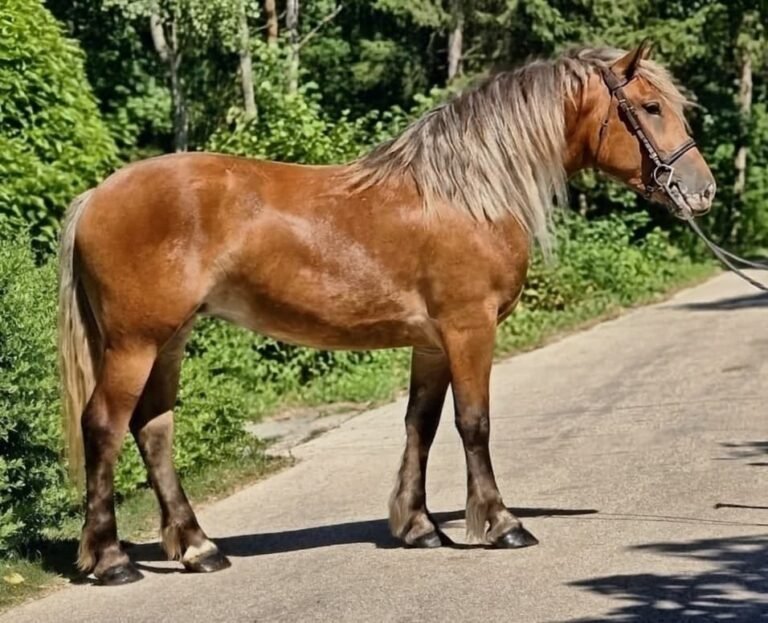 Dressage Horse
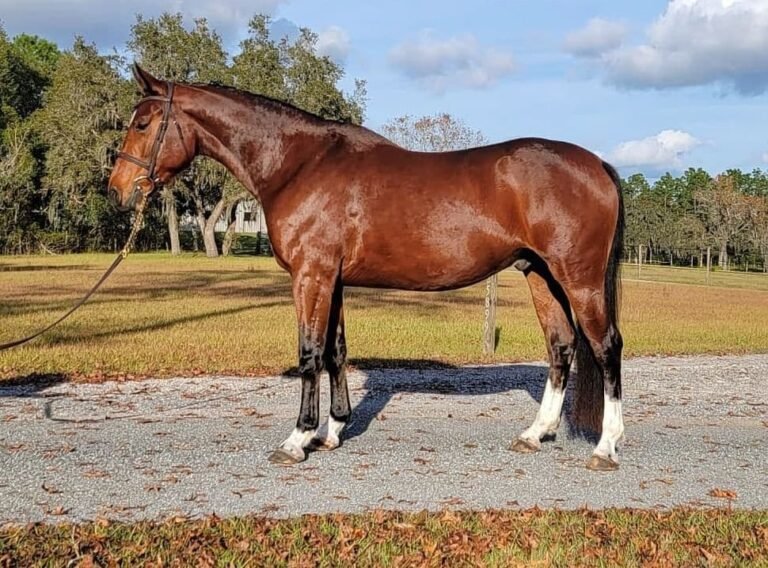 Dressage Horse
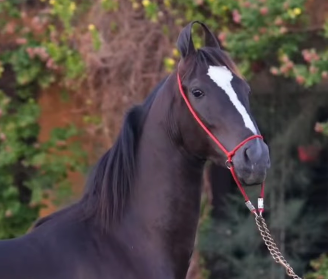 Marwari Horse