


Introduction

n
For Indian riding communities that welcome beginners and families, safety and enjoyment go hand in hand. The Rider-Horse Matchmaking Protocol described here is a six-week, data-driven process designed to help stable managers, trainers, and equestrian entrepreneurs pair beginners with quiet, safe horses. It isn’t a shortcut; it’s a practical framework built around observation, routine, and record-keeping that fits the real tempo of Indian stables. When implemented well, this protocol reduces risk, grows rider confidence, and creates a foundation for responsible training and long-term horse welfare.
n
The aim is simple: build a reliable mapping between rider profile and horse temperament, so that every pairing has a clear path to success. It’s not about finding the most trainable horse in the yard, but about identifying the quiet, stable partner whose responses match a novice rider’s balance, rhythm, and learning pace. For stables that want to source suitable candidates, begin by browsing the available listings: Browse horses. You’ll find a range of options that can be evaluated against the six-week protocol during the intake phase.
n
Six-Week Protocol Overview
n
This protocol emphasizes practical checks, controlled exposure, and consistent data collection. It is designed to be adaptable to different stable sizes, locations, and rider groups, from beginner pony clubs to urban riding schools. The core idea is to create a repeatable, evidence-based process that yields trustworthy rider-horse pairings while safeguarding horse welfare and rider confidence.
n
Week 1: Profiling Riders and Horses
n
Initiate with a structured intake for both sides. Use a concise Rider Profile Form capturing age, weight, riding goals (pleasure riding, basic dressage, jumping, trail riding), prior experience, and any medical considerations. For horses, build a Horse Profile covering temperament notes, training level, soundness, current workload, and typical daily routine. First impressions matter: observe calm leading, stationary handling, and reactions to grooming—a horse that remains steady through harness, saddle adjustment, and light touches is a good sign. Document baseline responses to simple cues (voice, gentle rein aids, and leg pressure) and note any startle triggers such as loud noises or quick movements. If you’re starting from scratch, you can begin by scanning the market listings and shortlisting a few candidates that meet your stable’s safety and temperament criteria: Browse horses.
n
Practical tip: keep the first week light and non-pressured. The goal is to establish a data-rich baseline rather than to push for a quick match. Consider a calm, low-stress environment with predictable routines to set the stage for meaningful observations. For broader sourcing, you can also explore options at Explore stud farms as you refine your candidate pool.
n
Week 2: Baseline Safety and Handling Checks
n
Move beyond impressions to structured safety checks. Verify gear fit (saddle, bridle, and bit appropriate for the horse’s head/shoulders), ensure tack is balanced, and confirm hooves and legs show no obvious pain signs during movement at the walk. Conduct short, supervised groundwork sessions: leading, haltering, and basic lunging or longeing on a soft surface. Observe how the horse accepts pressure on the girth, saddle blanket, and cinch, and how it responds to voice cues and gentle body language. Record data on ground manners, steadiness around other horses, and the horse’s tolerance to routine handling. Safety is a two-way street; riders should also feel their own comfort level with mounting, dismounting, and balance at a walk to a trot transition. If you’re sourcing candidates, this is a good week to narrow down to a handful of horses that consistently meet baseline safety criteria. And if you’re evaluating breeding stock or partnerships, you may glance at stallion lists for temperament tendencies, while keeping in mind that a stable, well-trained horse is the priority: View stallions.
n
Week 3: Controlled Riding Trials
n
With baseline safety in place, initiate short, controlled riding sessions under close supervision. Begin with a private ride of 10–15 minutes on a quiet horse, on a familiar, low-traffic route. Focus on a steady rhythm, even contact on the reins, and responsive yet gentle transitions. Have a stable instructor or senior rider present to monitor saddle fit, rider posture, and how the horse distributes weight beneath the rider. Use a simple discomfort or fear scale to record rider responses to unfamiliar tasks (e.g., figure-of-eight pattern, changes of direction, or light leg cues). The objective is not to test horse obedience in a training sense but to verify that the horse remains predictable and forgiving with a novice rider. If a horse displays excessive swaying, resistance to aids, or distress signals, remove it from the trial and revisit the Week 1–2 data before proceeding with further testing. For sourcing considerations, you may continue to compare listings such as Browse horses to identify complementary candidates.
n
Week 4: Temperament Scoring and Data Logging
n
Introduce a simple temperament scoring framework that captures both rider experience and horse behavior. Create a compact data sheet that records: rider balance and confidence levels on a 1–5 scale after each session, the horse’s calmness in cross-tenced gates, response time to voice cues, and tolerance to light desensitization (e.g., a cloth being waved near the flank). Use repeated trials across different times of day and under moderate distractions to understand consistency. Calibrate your expectations: a quiet horse should show minimal startle responses, steady head carriage, and predictable responses to the rider’s half-halts, leg aids, and rein aids. Keep notes on any patterns that emerge (e.g., horse becomes more confident after a few minutes, or tension appears when a rider changes seat position). This is the week where you begin to quantify the match, making the final decision less subjective and more data-driven. If you’re exploring broader sources, consider exploring listings and additional guidance at Browse horses, and don’t hesitate to look at further resources at Vendor program for staff and service partners who can support your protocol.
n
Week 5: Short-Term Pairing Trials
n
Advance to 15–20 minute rides with supervised supervision, pairing the rider with the top two candidates from Weeks 1–4. Focus on maintaining a calm tempo, smooth transitions, and rider control while the horse demonstrates reliability across typical riding tasks. Watch for signs of fatigue or discomfort in the horse and adjust the session length accordingly. If a rider’s confidence grows, you can gradually increase complexity—still within a controlled framework. Document outcomes in the same data sheets, with an emphasis on consistency across sessions. The goal remains to identify at least one stable pairing, but also to build a robust fallback plan in case the data indicate mismatches or evolving rider needs. If you’re actively sourcing, again use your Browse horses list to compare performances across candidates.
n
Week 6: Final Pairing and Handover
n
At the end of Week 6, conduct a final supervised ride with the chosen pairing. Confirm rider comfort, horse stability, and the quality of communication between rider and horse. Ensure an agreed-upon plan for ongoing training, maintenance, and welfare checks. Draft a concise pairing note that includes rider goals, horse temperament profile, gear recommendations, and a suggested schedule for future sessions. Include a clear contingency plan in case the rider experiences a sudden loss of confidence or the horse displays unanticipated behavior. This final step should feel collaborative: the rider, trainer, and stable manager should all sign off on the pairing, with transparent expectations set for the first 4–6 weeks of continued riding. If you wish to broaden your sourcing, you can revisit listings at Browse horses and consult with a stud-farm partner at Explore stud farms for future rounds of testing and expansion.
n
Practical Checklist for Weeks 1–6
n
- n
- Rider and Horse Profiles: complete forms, including goals, limits, and medical considerations.
- Baseline Safety: gear fit check, harness integrity, and safe handling routines.
- Groundwork and Lunging: assess control and balance with calm sessions.
- Mounted Trials: start with short, controlled rides on calm horses.
- Temperament Scoring: document responses with a simple, repeatable scale.
- Data Repository: maintain a single file or sheet to compare rider-horse pairs objectively.
- Contingency Plans: define exit strategies for mismatches and safety-first halts.
- Documentation: prepare pairing notes and a post-trial plan for ongoing welfare.
n
n
n
n
n
n
n
n
n
For stable managers and riders, the six-week structure is a disciplined path—neither rushed nor ultralinger, but as dependable as a well-tuned saddlery. It rewards attentiveness to the horse’s welfare and the rider’s growth, which is the heart of responsible equestrian practice in India.
n
FAQ
n
Q: How long is the six-week matchmaking plan?
n
A: It unfolds over six weeks, with weekly milestones that build rider confidence, assess horse suitability, and culminate in a supervised final pairing.
n
Q: How do you evaluate a horse’s temperament safely?
n
A: Through structured groundwork, controlled mounted sessions, and simple desensitization tests, all under supervision. Data on calmness, response to aids, and consistency across sessions informs the decision.
n
Q: What data should be recorded during trials?
n
A: Rider balance and confidence, horse calmness and responsiveness, gear fit, mounting/dismounting ease, and any safety incidents or discomfort signals.
n
Q: When is the pairing considered final?
n
A: After Week 6, once the final supervised ride confirms rider comfort and horse reliability, plus a clear plan for ongoing training and welfare checks is in place.
n
Explore India’s Equine Marketplace
Discover horses, stallions, stud farms and trusted equine services on IETA.
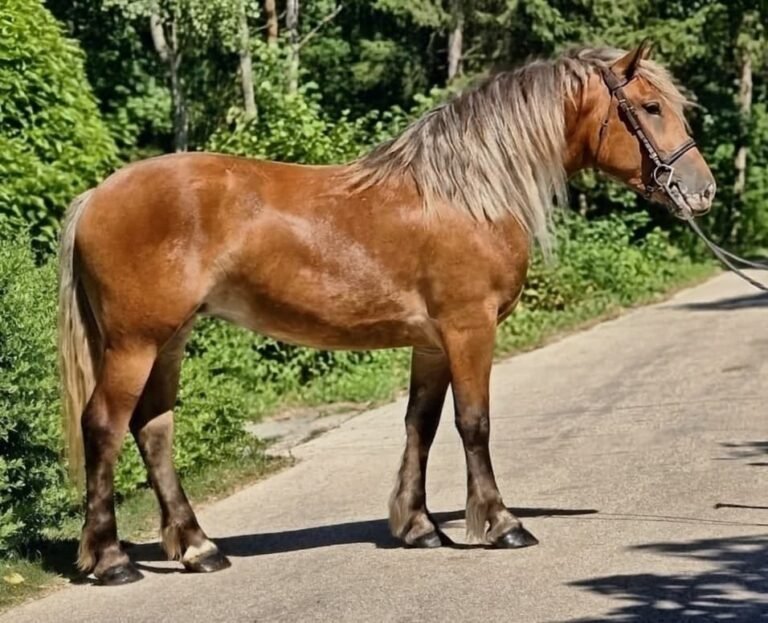 Dressage Horse
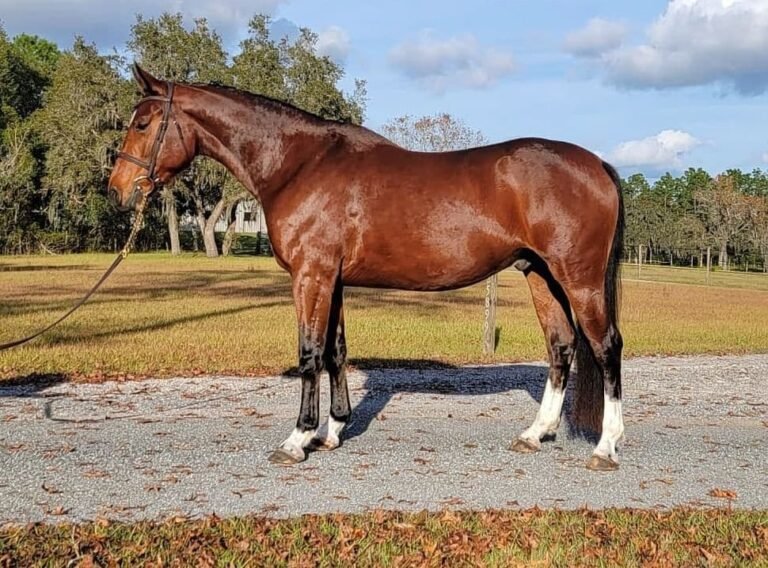 Dressage Horse
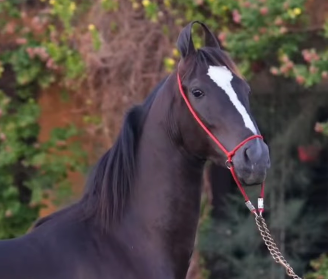 Marwari Horse