

Understanding horse body language is a practical skill for every Indian horse owner, rider, breeder, and stable manager. It helps prevent fear and frustration, supports better training, and enhances safety in busy yards, riding schools, and pasturelands across the country. This guide offers clear, observable signals you can read in everyday interactions with your horse, plus actionable steps to respond calmly and effectively.
Why reading body language matters in Indian stables
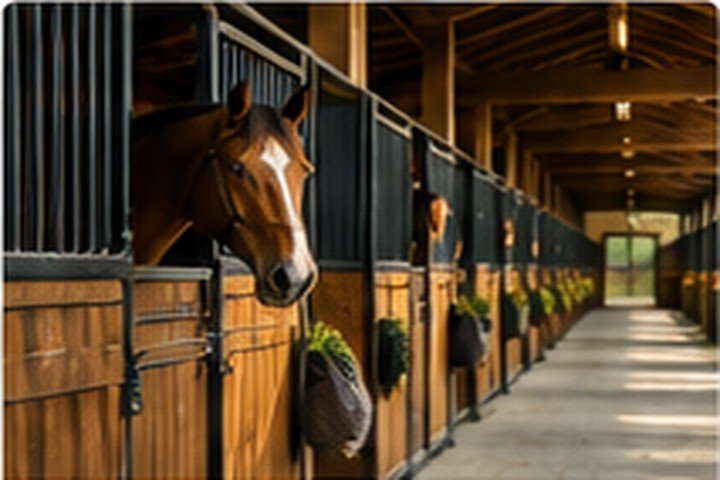
Our stables vary from crowded urban yards to spacious rural ranges, but the basics of horse communication stay the same. A horse communicates through energy, tension, and reflexive responses long before any vocal sound is made. When you learn to notice these cues, you can adjust your approach—whether you are feeding, grooming, leading, lunging, or riding. The result is a calmer horse, safer handling, and a more consistent training process.
In practice, the goal is not to label a horse with a mood but to read the current state from a bundle of signals. A well-timed pause, smaller rein contact, or deeper breath can turn a tense moment into a productive session. For breeders and stud farms, consistent body language cues also aid in evaluating how a horse responds to handlers, riders, and new environments—important when evaluating prospects for training or sale. If you’re exploring horses for purchase or sale, you’ll also benefit from observing how a horse carries itself in a handler’s presence. Browse horses can give you a sense of how different horses present themselves in real-world settings across India.
Facial signals: ears, eyes, nostrils, and mouth
Ears
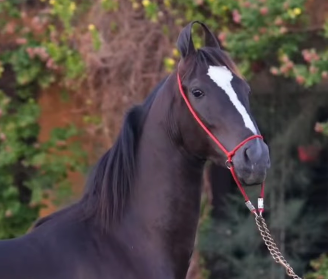
Ears that are forward, relaxed, and turning to follow the handler typically indicate alert but calm interest. Ears pinned back, jackknifed toward the neck, or flattening quickly can signal discomfort, fear, or irritation. In busy barns, horses may flicker ears when listening to far-off sounds; sustained backward pinning deserves closer attention to what may be causing distress.
Eyes and gaze
Soft eyes with relaxed eyelids, a dipping or blinking gaze, and a gentle focus on the handler usually signal a relaxed state. Wide-eyed, widened pupils, or a fixed stare can indicate surprise, alertness, or unease. If a horse avoids eye contact entirely, it may be uncomfortable or uncertain about the situation. Read the eyes in combination with other signals rather than in isolation.
Nostrils and mouth
Breathing that is even and steady, with nostrils that aren’t flaring, is a sign of ease. Wide nostrils, quick breaths, or pursed lips can show tension or fear. A horse that gnaws, chomps, or yaws without a calm rhythm may be trying to relieve tension. When bridling or mounting, pay attention to how the mouth and jaw respond; resistance can be a signal to reassess the setup or approach rather than forcing the moment.
Posture and body signals: tension, stance, and movement
Overall stance
A relaxed stance—soft weight on all four hooves, even or slightly shifted weight, and a comfortable shoulder line—signals a horse that is approachable. A tense horse may stand with a stiff neck, elevated head, or a rigid back. In extreme cases, a horse may tuck the tail tightly, lean away, or pin the hindquarters under itself; these are clear indicators that the animal is not ready for action.
Tail, back, and neck
A swishing tail can mean irritation, but a relaxed, gently swaying tail often signals contentment or ease. A pinned tail, a stiff back, or a hollowed neck indicates tension and a potential risk moment. Watch how the neck carries itself in relation to the withers: a high tail and arched neck may show excitement or alertness, while a lowered head or tucked neck can signal submission, fatigue, or fear depending on context.
Weight distribution and movement
Look for even weight on all four legs during halts and transitions. A horse that shifts weight abruptly or lurches its hindquarters to displace you may be uncomfortable with your position or the task at hand. When walking toward a gate or narrow space, a horse that pinches its body tight or rotates its hindquarters away is signaling a need for space or a change in approach.
Signals during handling, groundwork, and riding
Head carriage and rein contact
In groundwork and riding, a softly carried head, light but steady contact with the bit or bridle, and responsiveness to your aids indicate a cooperative partner. A horse that leans into the bit, drops its head, or fights the contact may be testing boundaries or feeling overwhelmed. In such moments, reassess seat, hands, and tempo rather than forcing forward progress.
Hinges of the body: neck, jaw, and shoulders
A relaxed jaw and a supple neck allow fluid responsiveness. If the neck stiffens, or the shoulders rise and pinch, it is a cue to slow down, give the horse a moment, and check comfort with equipment, ground conditions, and your own balance on the horse.
Reaction to pressure
Horses are sensitive to pressure at the poll, mouth, and ribcage line. Subtle changes in your seat or reins can produce decisive responses. If a horse appears unsure or braced, ease the pressure, give clear but mild cues, and choose to pause rather than press ahead. A well-timed release reinforces calm behavior and helps the horse associate the moment with relief, not conflict.
Signals in turnout, feeding, and social settings
Turnout areas and feeding times bring extra stimuli—other horses, dogs, machinery, or nearby traffic—that can elevate arousal. A horse that stands calmly with other horses at grazing time usually shows a secure temperament. If a horse keeps turning its head toward others, guards its space aggressively, or isolates itself with pinned ears, these signals merit a slower, more controlled approach and possibly a longer acclimation period to the environment.
Social signals within a herd—greeting, mutual grooming, or playful nuzzles—often reflect trust and comfort. In contrast, a horse that shows sudden head turns toward a door, a defensive posture toward a stranger, or repeated scans for escape routes is signaling the need for more space, a calm routine, or improved safety measures in the environment.
Practical guidance: turning signals into safer handling
Reading signals is only half the task; the other half is translating that reading into safe handling. Here are practical steps you can apply in daily life at the stable, riding club, or farm:
- Move slowly and predictably. Sudden moves startle horses and invite resistance.
- Observe first, then act. Before approaching a horse, take a moment to read the signals in its body language.
- Align yourself with the horse’s energy. If it’s tense, use a quieter voice, shorter reins, and a more balanced seat before asking for a change.
- Offer space. If the horse shows signs of discomfort, give it room to decide and return when it’s calmer.
- Plan transitions in small steps. Build confidence with short, easy tasks and gradually increase complexity as signals become more relaxed.
- Review gear fit and comfort. Ill-fitting tack, uncomfortable boots, or abrasive equipment can cause predictable signs of tension.
For those navigating multiple horses, a simple habit can help enormously: maintain a calm, consistent presence. Your pace, voice, and posture should reflect predictability. When you are consistent, a horse learns what to expect and often responds with lowered tension and improved focus.
Practical checklist for daily observation
- Observe ears, eyes, mouth, and nostrils from a few meters away before approaching.
- Check the overall posture: is the neck soft, back relaxed, and weight evenly distributed?
- Note any sudden changes in movement or head carriage during leading or mounting.
- Assess the environment: is there noise, traffic, or other horses that could be affecting behavior?
- Match your approach to the horse’s current state; delay tasks if signals indicate stress.
As you apply these steps, you’ll notice patterns. Some horses are naturally more reactive, while others are more placid. The goal is not to categorize, but to recognize individual tendencies so you can tailor your handling and training to each horse’s needs. For breeders and stud farms that regularly assess prospects or visitors, consistent interpretation of body language helps in making fair, humane decisions about handling, training potential, and suitability for particular programs. If you’re looking for sources of knowledge and community, you can also explore resources at Visit IETA or explore Explore stud farms for context on how different environments influence expression and behavior.
Frequently asked questions about horse body language
FAQ
Q1: What are the most obvious early signs that a horse is relaxed or uneasy?
A1: Relaxed signs include soft eyes, a gently swaying tail, even weight on all four legs, and a calm head carriage. Uneasy signs include pinned ears, stiff neck, tense jaw, wide nostrils, and looking away or toward exits. Always read these cues in combination rather than in isolation.
Q2: How can I tell if a horse is ready for a ride or groundwork?
A2: Look for a calm, even breathing pattern, a relaxed neck and back, and voluntary responsiveness to light cues. If the horse avoids eye contact, tightens its body, or moves away, it may need more time to settle or a gentler approach.
Q3: What should I do if a horse shows resistance or fear?
A3: Slow down, pause, and reassess your setup. Check equipment, footing, and your own balance. Approach from the side, speak softly, and give the horse time to adjust. If signs persist, remove pressure and revisit at a later time with shorter tasks.
Q4: Are ears always the best indicator of mood?
A4: Ears are an important cue, but they are not definitive on their own. Combine them with eye, mouth, neck, and overall body posture to form a reliable read on the horse’s state. Context matters—environment, recent experiences, and level of fatigue all influence interpretation.
For ongoing learning, consider observing horses in different settings and speaking with experienced handlers. A steady, observant approach yields consistent, humane handling that benefits bond-building, training progress, and safety for both horse and rider. If you’re in the market for a new horse or looking to connect with a broader equine network, the IETA platforms offer a range of options and resources to support informed decisions: Browse horses, View stallions, and Explore stud farms.
Explore India’s Equine Marketplace
Discover horses, stallions, stud farms and trusted equine services on IETA.

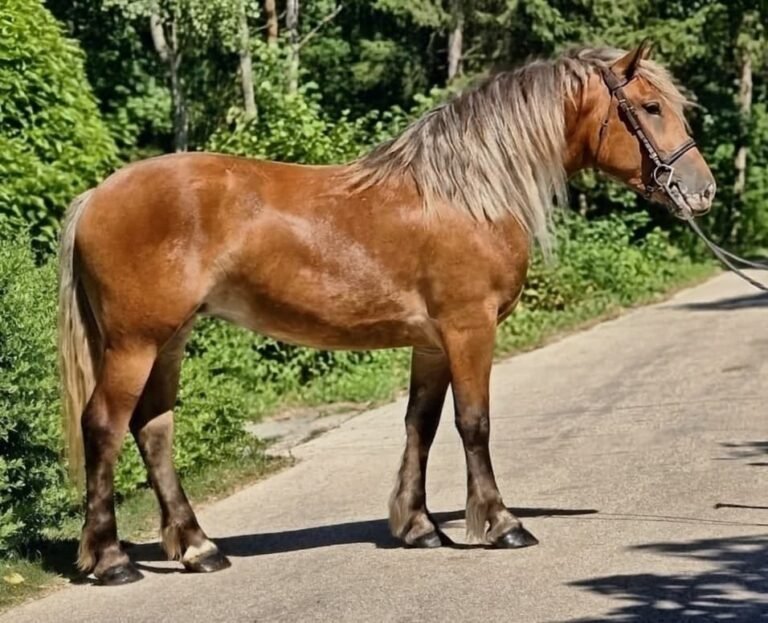 Dressage Horse
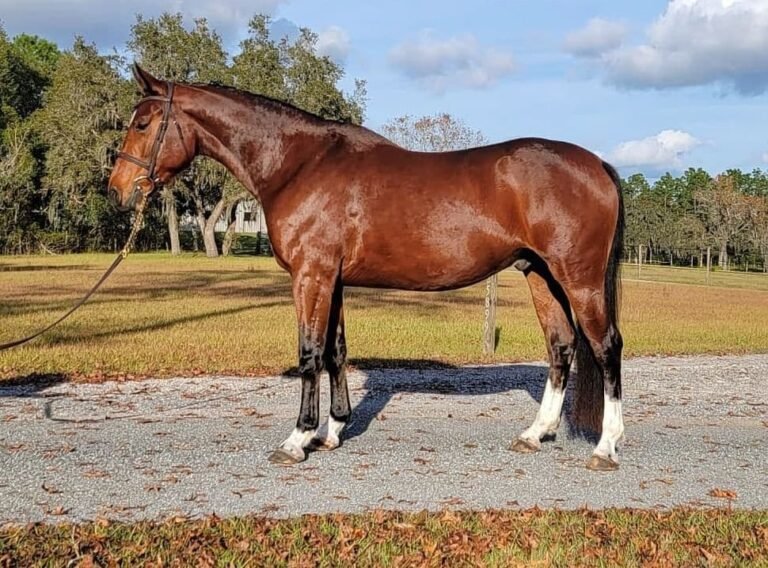 Dressage Horse
 Marwari Horse