


Understanding Marwari bloodlines: a practical lens

In India, the Marwari is more than a striking silhouette or a distinctive ear twist. For owners, breeders, and stud farms, a bloodline is a thread that ties history to today’s riding and work realities. Bloodlines help breeders align with breed standards, manage genetic health, and inform investment decisions when buying a horse. They also carry cultural resonance, reminding us of a lineage that has endured changing times, terrains, and training philosophies.
Bloodlines are more than pedigrees on paper. They reflect accumulated choices—what traits were valued by generations of breeders, how mares and stallions were matched, and how foals inherited temperament, conformation, and resilience. A credible lineage provides context for a horse’s potential as a riding partner, a breeding prospect, or a working asset. But a lineage is not a guarantee. Every horse is a living individual shaped by its environment, handling, and training as much as by its ancestral notes.
What a bloodline represents
A bloodline describes the ancestry traced through sires and dams across generations. It signals inherited traits that breeders have selected for over time—traits such as endurance, rideability, or a distinctive head and neck profile—within the Marwari context. In India, where riding and work environments vary from desert routes to village roads and arena work, certain lineages may reflect preferences for performance in particular settings. Yet the value of a line rests not in a single label, but in the continuity and management of records, heartiness of foals, and the ongoing alignment with breed ideals.
Lineage development is a dynamic process. It involves imprinting a set of characteristics while allowing enough genetic flexibility to adapt to changing work demands and training methods. In practice, this means that a strong line is not built on a single champion but on consistent performance, sound health, and reliable temperament across generations. Buyers and breeders should read bloodline claims with a critical eye, cross-check records, and seek evidence beyond marketing language.
Historical and geographic influences
The Marwari’s roots lie in western Rajasthan and neighbouring regions, where regional breeding practices have left distinct marks on lineages. Some broodmare lines may be preserved within specific districts, while others trace sire influence to well-known stud farms. Geographic variation can shape temperament and athletic style, but a well-documented line with clear management history tends to show greater stability across buyers, trainers, and owners. A robust lineage also benefits from transparency about how horses were reared, trained, and prepared for their roles—whether as saddle horses, parade animals, or fieldwork partners.
Evaluating bloodlines: what to look for
When assessing a Marwari for purchase or breeding intent, bloodline is one factor among many. Reliable records, sound conformation, and practical history should guide your judgment. The aim is to read lineage as a guide, not a prophecy. The following considerations help distinguish credible lineages from marketing labeling:
Documentation and traceability
- Ask for pedigree certificates or registration details that show dam and sire lineages for at least two generations, and ideally more.
- Check whether the records are maintained by a recognized breed organization, affiliated stud farm, or established breeder with transparent practices.
- Request copies of registration papers, foaling dates, and any notes about performance or training milestones that relate to lineage.
In practice, you may also compare the lineage information with notes from breeders you trust or with profiles published on reputable listings. For those exploring options on the IETA platform, you can explore a range of listings and stud profiles to understand how lineage is presented across the market. See the dedicated sections on Browse horses and View stallions for reference examples, and peruse stud-farm profiles on Explore stud farms to understand regional management approaches.
Conformation and trait consistency
Linking observable traits to lineage can be informative, but avoid expecting a single line to fix every aspect of a horse’s appearance or function. Look for a well-balanced frame and movement consistent with Marwari type, and then assess how temperament and trainability relate to lineage in real-life handling and work. When evaluating lines tied to performance claims, request a credible record of work history across multiple horses within the same line rather than anecdotal success of a single horse.
Maintaining healthy bloodlines: genetics and breeding ethics
Preserving the integrity of Marwari bloodlines requires a thoughtful approach to genetics, welfare, and long-term planning. Overemphasis on a single trait or excessive close-bloodline mating can diminish vitality over generations. The goal is a robust gene pool that preserves the Marwari profile while maintaining practical versatility for today’s owners and riders.
Genetic diversity and responsible mating
- Balance selection pressure by weighing temperament, trainability, and conformation alongside performance potential. Avoid selecting for a narrow trait set alone.
- Monitor relatedness during pairing to minimize close inbreeding. Keep thorough records to track common ancestors and generational gaps.
- Encourage mating plans that introduce new, compatible genetic material where feasible, while respecting breed standards and practical management realities.
Breeders should also be mindful of mare and foal welfare. A sustainable program considers proper foaling management, vaccination, nutrition, and postnatal care as part of the lineage’s health story. Honest communication with buyers—sharing both strengths and limitations of a line—builds trust and supports a healthy market ecosystem.
Ethics, health, and market realities
Ethical breeding prioritizes the welfare of mares and foals. Avoid breeding for fashion or only for short-term gains. A responsible program aligns with available resources, including pasture management, shelter, and regular veterinary oversight. Transparent information about health and fertility, including any known hereditary considerations, strengthens buyer confidence and supports the breed’s future in active Indian markets.
Practical steps for buyers and breeders
To translate lineage knowledge into practical decisions, use this guidance as a compact, actionable framework. It should help align your goals with the realities of the Indian market and the resources available from reputable breeders and stud farms.
A buyer’s checklist
- Clarify your riding or work goals—endurance, versatility, or rustic reliability—and how a given lineage may align with those needs.
- Request two to three generations of documented lineage, with clear dam and sire information, and discuss any notable ancestors or hereditary notes with the breeder.
- Review performance history or work records, especially for horses intended for sport or demanding tasks. Seek evidence of training milestones and lineage context rather than isolated success.
- Inspect conformation and movement in person, noting how temperament aligns with lineage and your operation’s needs.
- Use trusted sources to compare lineages. For reference, explore listings on Browse horses, assess sire impact via View stallions, and study geographic and management contexts in Explore stud farms.
A breeder’s perspective
Maintain meticulous records—dam-sire lineages, foaling dates, and performance notes. Regularly update stud profiles with clear assessments of a line’s strengths and limitations. Develop thoughtful mating plans that prioritize genetic health, even if this means delaying a mating to avoid excessive relatedness. Engage with credible local networks to share best practices and reinforce breed integrity.
Stud farm considerations
For stud farms, clarity of bloodlines signals professionalism. Keep records current, ensure pedigree information is accessible to prospective buyers, and provide transparent notes on health, vaccination, and fertility status. A well-documented line becomes a valuable asset when paired with consistent conformation and verifiable performance history, especially in a diverse Indian market.
Leveraging IETA resources
The Indian equine landscape supports pedigree transparency through accessible listings and clearly described lineages. Buyers and breeders benefit from consistent terminology, verified data, and reliable references. Active listings and well-documented lines attract serious buyers who value reliability. On the IETA platform, you can examine multiple breeders, paddocks, and stallion profiles to understand how bloodlines are presented in practice. Consider visiting the pages for Browse horses, View stallions, and Explore stud farms to see how lineage information is communicated. A quick tap over to Visit IETA connects you with seller programs and educational resources that support responsible breeding.
Conclusion: bloodlines as a living narrative
Marwari bloodlines carry a living narrative of Indian equestrian heritage. They offer meaningful signals about temperament, conformation, and potential compatibility with your riding or work environment. But they are not a guarantee. The best approach combines careful verification, ethical breeding practices, and ongoing dialogue with credible breeders and stud farms. When you approach bloodlines with curiosity and discipline, you contribute to a sustainable, vibrant future for the Marwari in India.
FAQ
What defines a Marwari bloodline?
A bloodline describes ancestry through sire and dam across generations and signals inherited traits breeders have historically selected for. It is a guide to potential temperament, conformation, and performance, but not a promise of exact outcomes for every foal.
How can I verify the lineage of a Marwari horse?
Ask for documented lineage with dam and sire details for multiple generations, request registration or pedigree certificates, and consult the breeder about performance notes tied to the lineage. Cross-check with credible breed records or farm portfolios where available.
Why is genetic diversity important in Marwari breeding?
Genetic diversity helps maintain vitality, adaptability, and resilience across generations. It reduces the risk of inheriting clustered hereditary issues and supports a robust gene pool that can respond to changing work demands and environments.
Where can I find reliable information about Marwari bloodlines in India?
Reliable information comes from reputable breeders, well-managed stud farms, and listings that publish clear lineage data. On platforms like IETA, you can browse horses, view stallions, and explore stud farms to assess how lineage is presented and documented.
Explore India’s Equine Marketplace
Discover horses, stallions, stud farms and trusted equine services on IETA.

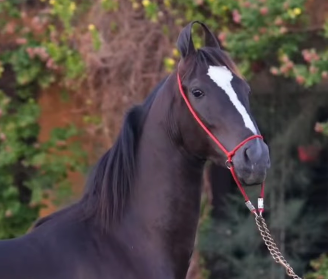 Marwari Horse
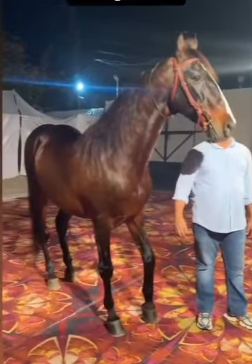 Marwari Horse
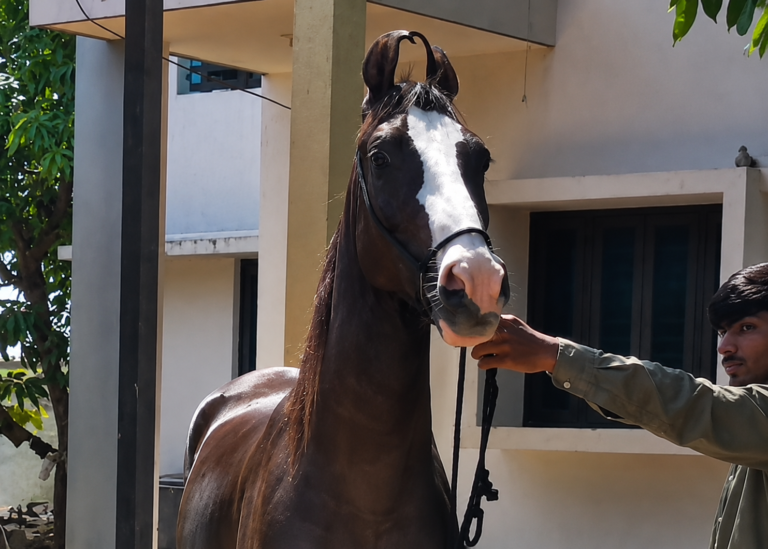 Marwari Horse