


Introduction

Seasonal patterns in India bring distinct challenges for equines. Summer heat, humidity, and the demanding monsoon season all affect how horses sweat, drink, and metabolize minerals. On-farm supplementation should be practical, weight-based, and tailored to the feeds that are readily available in Indian stables. This article offers a practical framework for seasonal mineral and electrolyte management that stable owners, riders, breeders, and stud farms can apply using common local feeds and simple monitoring tools.
Understanding seasonal needs: Summer versus monsoon
During hot, dry months, horses may lose more water and minerals through sweat, and their appetite for forage can shift. In the monsoon, high humidity can reduce evaporative cooling, but horses continue to sweat during work or travel, and water access becomes critical. Both seasons demand careful attention to hydration, forage quality, and mineral balance, particularly sodium, potassium, calcium, phosphorus, and magnesium. The objective is to maintain fluid balance, support neuromuscular function, and keep bone and tissue mineralization on track while avoiding excesses that can disrupt digestion or cause salt aversion.
A practical weight-based framework for electrolyte management
Think of electrolyte management as a three-step process: (1) know the horse’s weight and daily forage intake, (2) assess sweat rate and exercise intensity, and (3) implement a strategy that combines free-choice salt with a targeted electrolyte plan based on weight and work level. In all cases, follow the product label when using commercial electrolyte supplements and consult a veterinarian for a tailored plan, especially for foals, geriatric horses, or horses with medical conditions.
Step 1 — Weight and daily intake
Accurate weight helps you scale plans. If a scale is unavailable, a weight estimate using girth and body measurements can work as a guide. Record baseline daily dry matter intake (DMI) from forage; a typical mature horse consumes roughly 1.5–2% of body weight in dry forage daily, depending on work level and forage type. This baseline feed intake forms the anchor for any additional supplementation. Use a simple rule: more forage means a higher baseline intake of minerals from the ration, less forage may necessitate more mineral supplementation, particularly in summer when sweating increases mineral losses.
Step 2 — Sweat rate and exercise intensity
Estimate sweat losses by observing work duration, climate, and a quick weight check after a short, representative workout. A practical approach is to compare a horse’s body weight before exercise with its weight after exercise and on rest days. If post-workweight loss is significant (for example, a measurable drop beyond what feeding and water intake would explain), plan for a higher electrolyte contribution on hot days or during intense sessions. If a horse sweats less due to lower work intensity or cooler days, you can reduce supplemental electrolytes accordingly.
Step 3 — Electrolyte strategy
The backbone of a seasonal plan is a base level of free-choice salt paired with a targeted electrolyte supplement on days with heat or heavy sweating. Specific dosing should follow the product label and veterinary advice. The on-farm philosophy is to adjust the amount based on body weight and observed sweat rate in a simple, predictable way:
– Base level: provide free-choice salt for all horses. A salt block or loose salt kept where the horse can access it safely supports ongoing mineral intake.
– Electrolyte supplementation on hot or sweaty days: use a ready-made electrolyte product that delivers sodium, potassium, and chloride, then adjust doses according to weight and work intensity. On heavy sweat days, many farms opt to use a larger portion of the label dose, spreading it across two feedings; on lighter days, rely primarily on salt and forage minerals.
– Weight-based tuning: treat the label dose as the starting point and scale by weight and activity. For example, a 500 kg horse may use the standard label dose, with a 0.75x to 1.5x adjustment window based on sweat rate and heat exposure. Always defer to the product’s guidance and your veterinarian’s plan when modifying doses.
– Water is essential: electrolytes work best when the horse has continuous access to clean water. Hydration supports absorption and helps maintain electrolyte balance during heat and exercise.
On-farm plan: summer and monsoon, using locally available feeds
Below is a practical framework you can adapt to your yard’s routine, with a focus on feeds and common Indian forage options. The plan emphasizes using free-choice salt and electrolyte supplements rather than untested routines. It also integrates simple monitoring to guide adjustments in real time.
Summer plan (April to early July) — hot, dry, demanding
- Salt and water: Ensure free-choice access to a good-quality salt block or loose salt. Water should be available ad libitum, with frequent checks in peak heat hours.
- Electrolyte supplementation: On days with prolonged heat or heavy sweating, administer electrolyte powder according to the label, and consider splitting the dose into two feedings (morning and late afternoon) for better gut tolerance and absorption. Use the weight-based adjustment as a guide and consult your veterinarian for a tailored plan.
- Forage and minerals: Favor high-moisture forage when possible; maintain a balanced calcium–phosphorus ratio by including a variety of forage and, if needed, a mineral premix designed for equines. Legume or high-protein fodder can help but monitor intake if humidity raises the risk of digestive upset.
- Practical notes: Monitor urine color, skin pinch rebound, and overall attitude. If a horse shows signs of dehydration, lethargy, or poor appetite, seek veterinary advice promptly.
Monsoon plan (July to September) — humidity, rain, and travel work
- Salt remains essential: keep a salt option readily available; rain should not substitute for proper salt intake as electrolyte losses continue with sweating when horses train or travel.
- Electrolyte use: Monsoon work often means variable exercise intensity. Use the electrolyte product on days with work beyond a light walk, paying attention to sweat rate as described above. Dosing can be a touch more conservative than in peak summer if sweating is less intense, but never skip it entirely if work is challenging or heat is significant.
- Forage timing and diversity: In monsoon, pasture quality can fluctuate. Maintain a consistent DMI by offering a mix of forage types when available, and consider a balanced mineral premix to cover gaps in forage mineral content.
- Water management: Ensure fresh water is available after training and during rest periods. Humidity can mask thirst signals; proactive water access reduces dehydration risk.
Sample daily pattern (seasonally flexible)
Morning: forage as usual; offer a salt block nearby. If exercise is planned, mix a measured electrolyte dose into the morning feed or into a separate electrolyte solution with water. Afternoon/evening: provide additional electrolytes only if sweating is expected or observed, and ensure water is available after workouts.
Forage and mineral considerations in the Indian context
Locally available feeds vary widely: green fodder (napier grass, Bermuda grass), maize or sorghum silage, bajra/jowar stover, and legume hays where possible. A practical goal is to balance macro-minerals (calcium, phosphorus, magnesium) and trace minerals (selenium, zinc, copper, manganese) through a combination of forage, salt, and, when needed, a mineral premix formulated for equines. A common rule in on-farm practice is to aim for a calcium-to-phosphorus balance around 1.5–2:1 in the daily ration and to ensure adequate salt intake to support sodium and chloride needs. If forage quality is patchy, a well-chosen mineral supplement can help fill gaps without overwhelming the diet.
Water, monitoring and practical tips
- Hydration: Always provide clean water; in hot weather, place multiple water sources, and check that water troughs stay clean. Encourage horses to drink before, during, and after exercise.
- Observation: Track weight changes, skin turgor, and mood. Mark days when electrolyte supplements were used and note any adverse reactions (soft stool, colic signs, or reluctance to drink).
- Adaptability: If a horse transitions from summer to monsoon work, reassess sweat rate and appetite. Seasonal adjustments should be gradual and monitored.
- Veterinary partnership: A tailored plan based on horse age, health status, and workload should be discussed with a veterinarian or an equine nutritionist familiar with Indian conditions.
Quick reference checklist
- Provide free-choice salt at all times.
- Use an electrolyte product on days with heat or heavy sweating, scaled by weight and work level following the label and veterinary guidance.
- Monitor forage intake and keep a balanced calcium–phosphorus ratio in the ration.
- Ensure reliable water access and observe for signs of dehydration or electrolyte imbalance.
- Document seasonal changes and adjust plans monthly as conditions shift.
Internal resources
For stability in your program and broader market access, you can explore listings such as Browse horses to compare feeding and management practices across different disciplines, or Shop for feeding supplements and minerals. You can also learn more about our broader community at Visit IETA.
FAQ
What signs indicate my horse needs electrolyte supplementation?
Frequent heavy sweating during heat, signs of dehydration (dry mouth, tacky skin), fatigue after work, and changes in stool or appetite can indicate electrolyte needs. On hot, sweaty days, a ready-made electrolyte product used as directed by the label or a veterinarian-backed plan can help restore balance. Always ensure water is available.
Which feeds help maintain minerals during summer and monsoon?
Local forages like green fodder and cereal-based hays can contribute minerals, but their content varies. A balanced mineral premix aligned with the horse’s diet can fill gaps, particularly for calcium, phosphorus, sodium, potassium, and magnesium. When forage is lush, you may rely more on forage minerals; when forage quality is uncertain, a veterinarian-recommended premix is advisable.
Should I adjust the plan for foals, mares in foal, or senior horses?
Yes. Younger, pregnant, or older horses often have different mineral needs and tolerance to electrolytes. Always consult a veterinarian to tailor a weight-based plan for these groups and adjust feed, salt, and electrolyte dosing accordingly.
How often should I reassess the plan?
Reassess monthly or with every seasonal change. Monitor weight, hydration status, appetite, and work tolerance. If you notice persistent signs of imbalance, consult a veterinarian promptly.
Explore India’s Equine Marketplace
Discover horses, stallions, stud farms and trusted equine services on IETA.

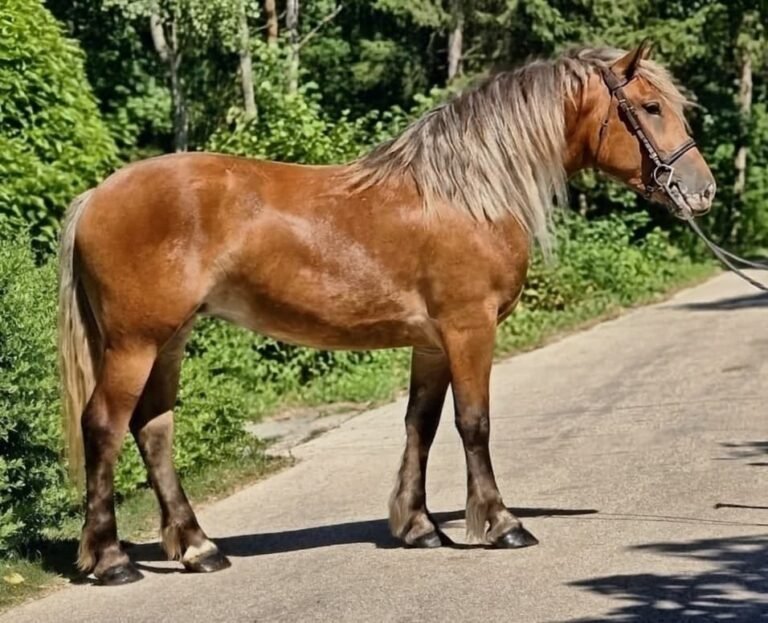 Dressage Horse
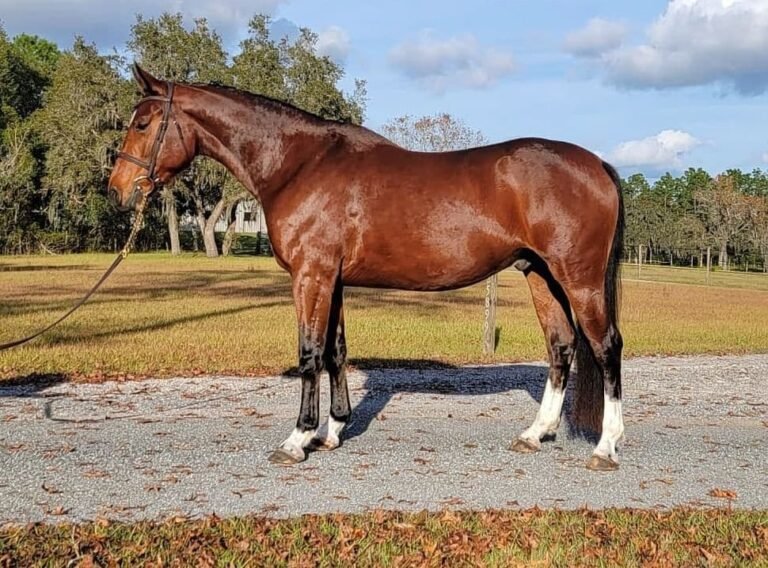 Dressage Horse
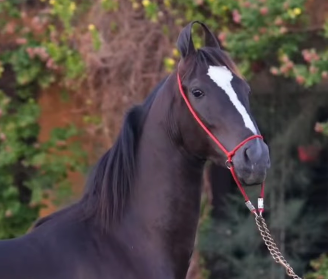 Marwari Horse