

Overview: Why a 60-Day Plan Matters

Transport moves across India test a horse’s resilience as well as the handler’s logistics. A structured 60-day conditioning plan helps acclimate horses to new environments, establish reliable hydration and feeding patterns, and implement safe loading and rest-stop routines for long-distance moves. This framework is designed for real-world owners, breeders, and transport teams working with Indian horse populations across diverse climates and terrains.
As you prepare for the journey, consider consulting the broader resources available on our platform. For context on available horses and equine services, you can Browse horses or Visit IETA.
Acclimation to New Environments
Acclimation starts well before loading. A calm, predictable routine minimizes stress and supports safe handling during loading, transit, and unloading. Indian horses encounter varied temperatures, humidity, and road conditions, so gradual exposure to transport-related stimuli helps build tolerance.
- Begin with short trailer sessions and calm handling in a stall or small enclosure that mimics transport conditions.
- Desensitize the horse to ramp access, moving vehicles, noise, and dust through progressive exposure—start with 5–10 minutes and extend as confidence grows over 2–4 weeks.
- Maintain social stability when possible; compatible companions can reduce stress during moves.
Document responses to exposure sessions. Look for signs of stress (tail swishing, ears pinned, reluctance to step onto the ramp) and adjust the pace accordingly. For equipment and supply insights, explore options at Shop and consider vendor recommendations at Vendor Program.
Hydration Strategies During Transit
Hydration is central to transport safety and performance. Horses that start well-hydrated tolerate heat, fatigue, and crowding better than those already dehydrated. Build a hydration plan that covers loading, transit, and rest stops across India’s climate spectrum.
- Provide constant access to clean water in stall setups or on-vehicle systems whenever possible.
- Establish a baseline daily water intake per horse and monitor weight and demeanour to detect dehydration early.
- Electrolyte supplements should be used only when advised by a veterinarian or an experienced equine nutritionist; avoid improvised mixes that might upset mineral balance.
- Offer water at rest stops and after unloading; avoid letting horses go very long periods without water between stops.
Plan water logistics along routes with uncertain access. Coordinate with stopover facilities or mobile water suppliers, and prepare water containers and cleaning routines in advance. If you need equipment options, refer to Vendor Program.
Feeding Schedules and Rations
Feeding stability supports GI health, energy balance, and comfort during long moves. A steady feeding routine helps horses transition to new routes and climates with less stress.
- Prioritize forage-based feeding: provide high-quality hay or pasture forage before and during travel.
- Keep meals consistent in timing and portion size; adjust gradually when workload or distance changes.
- Avoid large, rich meals immediately before loading or long transport segments; smaller, frequent meals help maintain GI function and comfort.
- Introduce changes in concentrate and energy sources slowly, based on workload and veterinary guidance.
As you align feeding with travel schedules, you can also explore feed and equipment options at Shop or learn about breeding and stud resources at Explore stud farms.
Loading and Rest-Stop Routines
Loading carefully and making rest stops count are crucial for safety and welfare. A calm, methodical approach reduces risk of injury and improves overall journey experience.
- Practice loading in stages: hand-leading, ramp acclimation, and progressively longer trailer sessions.
- Before loading, verify tack, equipment fit, and ramp safety. Use a calm, steady voice and minimize abrupt movements.
- During transit, monitor mood and breathing. If signs of distress or overheating appear, pause at a suitable rest stop and attend to the horse.
- Schedule rest stops every 2–4 hours on longer moves; use these breaks for light movement, hydration, and equipment checks.
- Upon unloading, provide a return to familiar cues, rehydrate, and offer forage to ease GI stabilization.
Thorough planning translates into smoother loading and safer travel. Keep a simple log of rest-stops, distances, feed changes, and observations to tailor the plan for future moves. If you need transport accessories or support, browse our platform or contact your local equine professionals via the platform’s resources.
A Week-by-Week Conditioning Framework (8 Weeks)
The framework below translates the 60 days into practical milestones. Adapt the pace to your horse’s temperament, climate, and route specifics. Welfare is the priority.
- Weeks 1–2: Initiate acclimation with short trailer exposures, calm handling, and consistent routines. Build confidence and reduce novelty stress.
- Weeks 3–4: Deepen hydration practices, maintain forage-based diets, and begin light, structured loading drills.
- Weeks 5–6: Increase total trailer time, add longer rest stops, and fine-tune feeding to workload and travel duration.
- Weeks 7–8: Simulate a long move with planned rest stops, refine loading efficiency, and finalize equipment checks and documentation.
Maintain a transport diary noting appetite, water intake, stress signals, and recovery after each session. This record helps tailor the plan to each horse and supports safer future moves.
Practical Checklist
- Health and travel documents relevant to your route, including permits if required.
- Well-fitting halter, lead rope, and appropriate turnout rug for climate shifts.
- Clean water containers, portable feeders, and electrolytes only if advised by a veterinarian.
- Fresh forage supply that remains palatable throughout transit.
- Calm handling tools and a familiar blanket or saddle cloth for acclimation sessions.
- Transport logbook for rest-stops, distances, and observations.
FAQ
Q: How soon should acclimation begin before a move?
A: Start 4–6 weeks ahead with short, then progressively longer trailer exposures, paired with calm handling and consistent routines.
Q: How often should a horse have water during long trips?
A: Provide water at regular rest stops and maintain access to clean water at all times when possible. Monitor intake and adjust hydration as needed.
Q: What is the best feeding approach around loading?
A: Maintain a consistent forage-based intake, avoid large meals immediately before loading, and adjust concentrate gradually based on workload and veterinary guidance.
Q: What signs indicate distress during transport?
A: Persistent sweating, labored breathing, reluctance to move, or refusal to load require pausing and seeking veterinary advice if signs persist beyond routine acclimation responses.
Explore India’s Equine Marketplace
Discover horses, stallions, stud farms and trusted equine services on IETA.

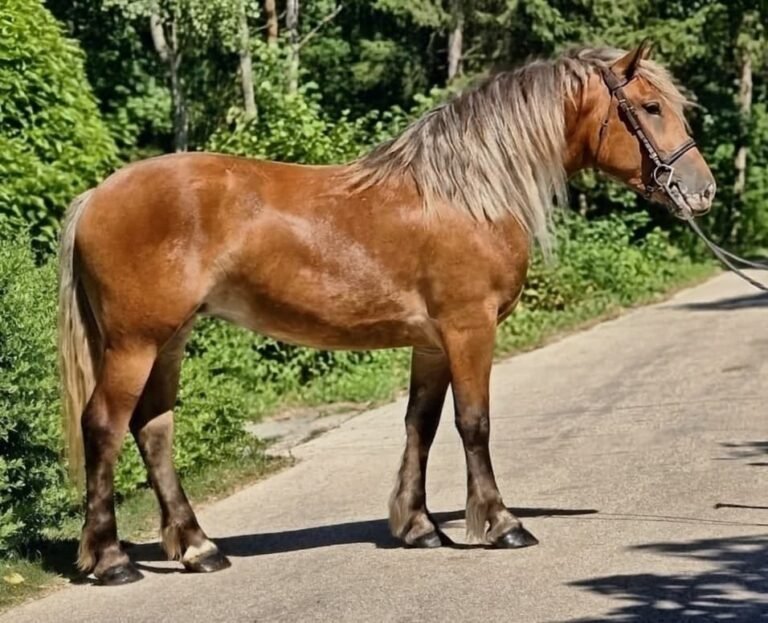 Dressage Horse
 Dressage Horse
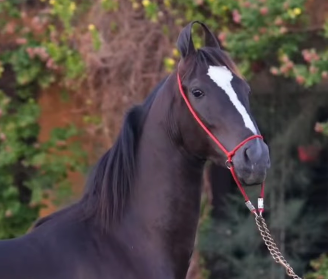 Marwari Horse