

Introduction

Cross-state moves are a routine reality for Indian horse owners—breeders, riders, stud farms, and equine enthusiasts all face the challenge of getting a horse from one state to another with minimal stress. The period after arrival is as important as the journey itself. This 21-day, owner-implemented reconditioning plan focuses on four pillars: hydration, gastrointestinal comfort, hoof care, and muscle recovery. It is practical, low-cost, and designed to fit into a typical Indian stable routine.
Why post-transport reconditioning matters
Transport can disrupt hydration, gut function, hoof integrity, and muscle conditioning. Temperature and humidity shifts, long hours on the road, and unfamiliar feed can upset the gut microbiome and core comfort. A structured, day-by-day reconditioning plan reduces the risk of colic, dehydration, soreness, and stiffness, helping the horse settle in faster and perform reliably in the days that follow a move.
The 21-day plan at a glance
The protocol below is designed to be flexible enough for most Indian climates and stable setups. It emphasizes regular fresh water, small, palatable meals, consistent turnout or gentle work, and careful observation. Always consult your veterinarian if there are signs of persistent GI distress, lameness, or other concerning symptoms.
Week 1: Hydration and GI comfort
- Access to clean, fresh water at all times; consider a gradual increase in intake if the horse was deprived for transport.
- Offer small, frequent meals rather than one large meal—more digestible, easier on the gut after travel.
- Introduce a familiar forage source gradually. If shifts in feed occur, mix old and new slowly over 3–5 days.
- Monitor manure daily: look for consistency, volume, and normal odor; note any sudden changes and report to a veterinarian if GI signs persist beyond 24–48 hours.
- Provide a roughage-based schedule with morning and evening meals, keeping feeding times consistent.
Tip: If you need quick reference on transport best practices, browse horses on our site for compatible feeds and routines: Browse horses.
Week 2: Hoof care and gentle muscle activation
- Inspect hooves daily for cracks, stones, or unusual heat. Keep the horse trimmed or shoeing up to date—coordinate with your farrier.
- Keep a consistent, moderate exercise plan. Short, calm walks or light grazing sessions help stimulate circulation without overloading the system.
- Grooming becomes a routine, with attention to legs, fetlocks, and pasterns. This reduces edema buildup and fosters a sense of calm and routine.
- Check for signs of soreness or stiffness after work; address with a gradual uptick in activity and consult a vet if pain persists.
Internal resource: learn more about our community resources and services at Visit IETA.
Week 3: Conditioning and monitoring
- Gradually reintroduce light training or work, increasing duration by small increments while monitoring heart rate, breathing, and demeanor.
- Maintain a consistent hydration plan, with electrolytes if advised by your veterinarian in the context of climate and exertion.
- Continue joint and muscle care: massage when feasible, gentle stretches, and attention to any signs of delayed onset muscle soreness.
- Keep a daily log: feed, water intake, manure, appetite, physique changes, and any unusual behavior. This record helps you catch problems early.
For broader resources on transport and vendor support, consider exploring our vendor network: Vendor Program or explore stud farms: Explore stud farms.
Day-by-day practical checklist
- Day 0 (Arrival day): Ensure water is available; offer small, frequent feedings; observe for stress signals.
- Day 1–3: Maintain hydration; monitor manure; adjust feed texture if needed; begin light grooming.
- Day 4–7: Introduce brief, low-intensity movement; assess hoof condition; document stool consistency.
- Day 8–14: Continue steady routine; begin modest conditioning if appetite and digestion are solid.
- Day 15–21: Increase activity cautiously; review the log; consult a vet if any concerns arise; plan next phase of training or work.
Practical tips tailored for Indian conditions
- Hydration: In hot climates, provide shade and ensure water is cool but not icy. In humid areas, monitor for signs of dehydration or heat stress even when the horse seems settled.
- Feed transitions: Indian feeds vary by region. When introducing a new hay or silage, mix gradually with the previous forage to allow the gut to adapt.
- Stable routines: Maintain consistent turnout times and stable routines to reduce stress-induced GI changes and behavioral disturbances.
- Hoof care: Weather and terrain can influence hoof health. Inspect daily after road travel, remove stones promptly, and keep a clean, dry bedding area to prevent moisture-related issues.
Observation and when to seek help
The plan hinges on vigilant observation. If you notice the following, contact your veterinarian promptly:
- Persistent colic signs (pain, restless behavior, pawing, rolling)
- Repeated vomiting, severe diarrhea, or failure to eat
- Severe or persistent lameness, swelling, or heat in a limb
- Marked weight loss or inability to maintain hydration
Connecting with the broader IETA community
Our network supports owners with transport, husbandry, and market insights. For more on general horse care resources and to connect with other owners, browse our platform pages and resources: Visit IETA, Browse horses, or Vendor Program.
Conclusion
Post-transport reconditioning is a window of opportunity. A structured 21-day plan emphasizing hydration, GI comfort, hoof care, and gradual muscle recovery helps Indian horses adapt quickly to new surroundings, feeds, and climates. With careful monitoring, consistent routines, and timely veterinary support when needed, owners can minimize stress and support long-term well-being and performance.
Explore India’s Equine Marketplace
Discover horses, stallions, stud farms and trusted equine services on IETA.

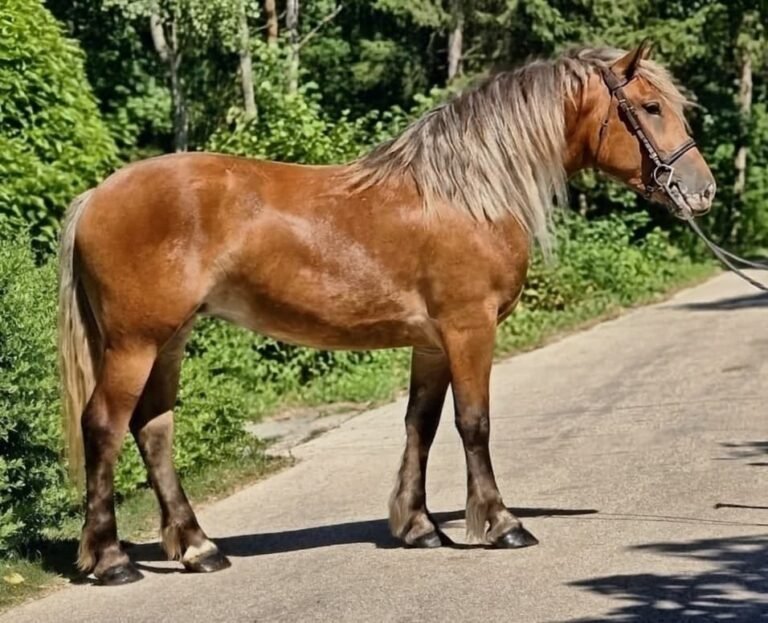 Dressage Horse
 Dressage Horse
 Marwari Horse