

India’s diverse climate—ranging from blistering heat in the north-west to high humidity along the coastal plains, and the damp, cloudy monsoon in many regions—demands a daily care routine that is flexible, observant and practical. This guide offers a season-aware, day-to-day routine designed for real horse owners, buyers, breeders and stud farms. It emphasizes prevention, daily observations and simple adjustments that keep your horse comfortable, sound and ready for work or leisure.
Understanding Indian Weather and Daily Care

Temperature swings, humidity, dust, and the prevalence of flies all shape how you should approach daily care. In summer, horses lose water quickly and can overheat; in monsoon months, damp conditions raise the risk of skin infections and mud-related hoof problems; in cooler pockets, dryness and cold winds can affect the skin and joints. Your daily routine should be anchored in three common practices: constant access to clean water, adequate shelter and ventilation, and regular grooming that helps you spot trouble early. A stable environment with good airflow, clean bedding and easy access to shade makes a big difference on hot days and damp days alike. For reference and additional horse listings or facilities, you can explore options at Browse horses or learn about breeding settings at Explore stud farms. For more resources from the marketplace, Visit IETA.
Morning Routine: Dawn to Daybreak
The morning window is when horses are most receptive to a calm routine before the day’s heat or humidity climbs. Your plan should be simple, repeatable and adaptable to weather, travel, or workload.
1) Quick Health and Body Check
As you approach, run a quick visual check: look for symmetry in gait, any swelling in joints, signs of lameness, and overall coat condition. If anything feels unusual or you notice persistent swelling, soreness or low appetite, note it in your horse’s log and seek veterinary guidance. Daily observation is your best early warning system.
2) Grooming and Coat Care
Begin with a light curry comb to loosen dust and sweat, followed by a body brush to remove debris. In dry, dusty climates, brushing helps reduce skin irritation; in humid, rainy zones, it helps you spot damp patches that could foster skin conditions. Check the underbelly, fetlocks and pasterns for mud clumps in monsoon season and clean them as needed. While brushing, run your hand along the spine and hips to detect any tenderness or uneven muscle development.
3) Hoof and Mane/Routine Foot Care
Inspect hooves for stones, cracks, or heat in the hoof wall, especially after riding on hard ground or during monsoon when mud can conceal problems. Pick out the feet thoroughly and keep the frog clean. If you notice thrush or unusual odor, address it with your farrier’s guidance. For horses with long manes, a quick brush helps prevent tangles that can hide skin irritation in hot, humid weather.
4) Water, Electrolyte Needs and Feeding Mailbox
Ensure fresh, clean water is available at all times. In hot weather, offer more frequent water top-ups and consider light electrolyte supplementation only if advised by your veterinarian or feed advisor. Foraging/chatting time should precede feeding: a small amount of forage (hay or fresh pasture, if safe) helps warm up the gut before any heavier concentrate feeding. A common practice in many Indian stables is to provide roughage first, then a measured portion of grain or mixed feed after a short rest.
To keep your feeding schedule approachable, you can reference our broader horse listings for compatible nutrition resources or equipment at Browse horses and Vendor program.
5) Cooling Down if Exercising
If you’ve ridden or trained in the morning, begin cooling immediately after the session. Walk the horse slowly for 5–10 minutes, then provide a rinse with tepid water—not ice-cold—focusing on the neck, chest and hindquarters. Dry the horse thoroughly and move to a shaded area with good ventilation. For a more humid region, a light mist over the neck and chest can help, but avoid soaking a hot animal. Monitor heart rate and breathing; if they don’t return to normal within 15 minutes, reassess activity and consult a vet if needed.
Midday to Afternoon: Water, Shade and Fly Control
During the hottest part of the day, focus on hydration, shelter and pest management. Shelter may be a simple shade structure or a well-ventilated stable with good airflow. If your space permits, fans or shaded breezeways can dramatically reduce heat stress. Monsoon periods demand extra attention to mud and moisture, while dry seasons call for dust management and protection against sunburn and skin dryness.
Hydration Strategy
Keep multiple water sources available to prevent crowding or long lines at a single trough. Clean and refill troughs regularly. In hot conditions, consider offering smaller, more frequent water top-ups rather than large, infrequent amounts. If you use electrolytes, follow the supplier’s guidelines and your veterinarian’s advice; never add supplements without a plan, as imbalances can be harmful.
Shade, Ventilation and Cooling
Access to shade is crucial. In open paddocks, create shaded lounges or use portable shade cloths during peak sun hours. In stables, ensure cross-ventilation with windows or vents that stay open during the day. If your horses are comfortable with light misting or a shallow cool-water rinse on the neck, chest and forelegs, that can help reduce core temperature, but avoid rapid cooling that may shock the system.
Fly Control and Skin Health
Flies are a constant challenge in many parts of India. Use a combination of management strategies: fly masks and sheets for turnout, fly-repellent sprays or approved products, and regular stalls cleaning to reduce breeding sites. Keep damp, shaded areas dry when possible to discourage fungal and bacterial skin problems. In monsoon months, inspect skin daily for rain rot or dermatitis and consult a veterinarian if you notice persistent lesions or irritation.
Feeding and Nutrition in the Indian Climate
Nutrition should support the horse’s workload, climate, and digestive health. Roughage remains the backbone of daily intake, complemented by concentrates or energy-dense feeds only as needed for performance, growth or recovery. The aim is steady digestion and stable energy, not rapid spurts that stress the gut. Always ensure fresh water is within easy reach during feeding and after workouts.
Roughage and Forage Management
Offer high-quality hay or late-cut pasture when available. In monsoon regions where pasture may be lush but risky (due to mold or pests), supplement with well-balanced forage and monitor intake to prevent weight gain or digestive upset. In hot weather, smaller, more frequent forage portions can help maintain gut motility and energy levels without overloading the horse after a workout.
Concentrates, Supplements and Vet Guidance
Concentrates should be given according to the horse’s workload and body condition. In India, the emphasis is often on maintaining steady energy while avoiding energy spikes that can cause anxiety or respiratory strain. Use supplements only under veterinary or nutritional guidance. If you’re considering electrolyte powders, discuss them with your feed advisor to ensure correct concentrations and timing, particularly in high humidity and heavy sweating conditions.
Feeding Schedule and Routine
Two to three meals a day, with roughage available between meals, is a practical baseline for many horses. In the heat, feeding times can be shifted to early morning and late afternoon to align with cooler periods. Always provide water during and after feeding, and observe how the horse handles meals in hot or humid weather—changes in appetite can signal heat stress, illness, or dental issues that require attention.
Grooming and Stable Management Through the Year
Seasonal changes influence skin health, hoof condition, coat density and bedding needs. Your daily routine should accommodate shedding, rain, mud and dryness, with regular checks that catch problems early.
Coat and Skin Care Across Seasons
Seasonal shedding is common, and the coat will often thicken in winter and thin in summer. Use brushing as a diagnostic tool: if you notice persistent dandruff, flaky skin, or patchy areas, consider a vet’s assessment, especially if skin infections begin to appear after rain or in humid environments. In monsoon, keep rain rot and fungal infections in mind and maintain a dry, well-ventilated shelter.
Bedding, Hooves and Stall Hygiene
In monsoon months, bedding should be absorbent and dry quickly. If stalls stay damp, increase ventilation and remove damp bedding promptly. Regular hoof care is essential in muddy seasons to avoid mud fever and other hoof problems. Between riders, ensure the stall stays clean and dry, with water and feed locations kept separate to reduce contamination and pests.
Pasture and Turnout Management
Rotate turnout areas to reduce overgrazing in hot, dry periods and to minimize mud in monsoon. In hot climates, morning turnout is often preferred when air movement is best and temperatures are cooler. In humid or damp regions, provide dry resting zones with proper drainage and shelter to avoid prolonged exposure to wet ground, which can contribute to hoof issues and skin conditions.
Practical Daily Checklists
- Morning health check and grazing plan; ensure water is fresh and accessible.
- Grooming and hoof inspection; remove mud or debris stuck to coat or hooves.
- Appropriate cooling after any exercise; gradual cooling, then rest in shade.
- Feeding roughage first, then concentrates if needed; adjust portions for weather and workload.
- Fly and pest control measures; inspect for skin issues daily.
- Stable management: ventilation, bedding quality, clean water and feed areas.
- Record keeping: note any changes in appetite, energy, gait, or skin conditions.
To access a broader set of resources on equine care and listings, you can browse horses at Browse horses or explore breeding facilities at Explore stud farms. If you’re seeking more marketplace resources, Visit IETA.
Seasonal Nuances: Monsoon, Summer and Winter
Monsoon Care
Moisture and mud increase the risk of skin infections and hoof problems. Ensure drainage from paddocks, keep stalls dry, and extend grooming to check for skin issues daily. Clean water sources to prevent contamination and provide more frequent stable checks. Outdoor turnout should be balanced with shade and rest, especially after rainfall when the ground is slippery or uneven.
Summer Heat Management
In hot months, the emphasis is on hydration, shade and light, regular work early in the day. Schedule training sessions during cooler hours, keep feeders accessible and avoid heavy exercise at peak heat. Monitor for signs of heat stress and provide gradual cooling. Consider rotating turnout to maximize air movement and ensure clean, cool water is readily available.
Winter Dampness and Cold Winds
Even where winters are milder, damp air and morning dew can irritate the skin and joints. Increase turnout in dry, sunny windows and provide extra dry bedding or blankets if near freezing. Maintain consistent feeding routines, as fluctuations can impact energy levels and immune function in cooler months.
10 Essentials You Need On a Daily Basis
- Clean water and multiple access points
- Brush set (curry comb, body brush, hoof pick)
- Hoof care kit and a basic first-aid pouch
- Shade or shelter with good ventilation
- Fly control tools (masks, sheets, repellents)
- Roughage for forage alongside a monitored concentrate plan
- Thermometer, note pad or digital log for daily checks
- Proper footwear and safe handling gear
- Stable cleaning supplies and bedding order
- Access to veterinary contact or emergency care plan
With this routine, your daily chores become predictable and manageable, even when weather shifts quickly. A stable, well-ventilated environment, combined with vigilant observation and timely adjustments, helps maintain comfort and performance for horses across India’s varied climates.
FAQ
Q1: How many meals should a horse have daily in India?
A: Most horses do well with two to three meals per day plus access to forage. In hot weather, smaller, more frequent meals can help digestion and energy balance. Always provide water during and after meals and adjust portions based on workload, body condition, and weather. Consult your feed advisor for a plan tailored to your horse.
Q2: What are signs of heat stress to watch for in Indian summers?
A: Key signs include heavy panting, sweating, lethargy, reluctance to move, ataxia or staggering in severe cases, and dilated pupils. If you observe any of these signs, move the horse to shade, provide water, and consult a veterinarian if symptoms persist beyond 15–20 minutes of cooling and rehydration.
Q3: How can I prevent mud fever and thrush during the monsoon?
A: Keep hooves clean and dry, pick feet daily, and ensure stalls and paddocks have good drainage. Regularly dry damp bedding and avoid prolonged standing in mud. If skin irritation appears, seek veterinary guidance for appropriate treatment and preventive care.
Q4: How do I manage flies effectively in hot and humid weather?
A: Use a combination of physical barriers (fly masks and sheets), stable cleanliness and proper ventilation, and approved repellents. Rotate turnout areas to reduce fly concentrations and keep feeding and water areas clean to minimize attractants.
Explore India’s Equine Marketplace
Discover horses, stallions, stud farms and trusted equine services on IETA.
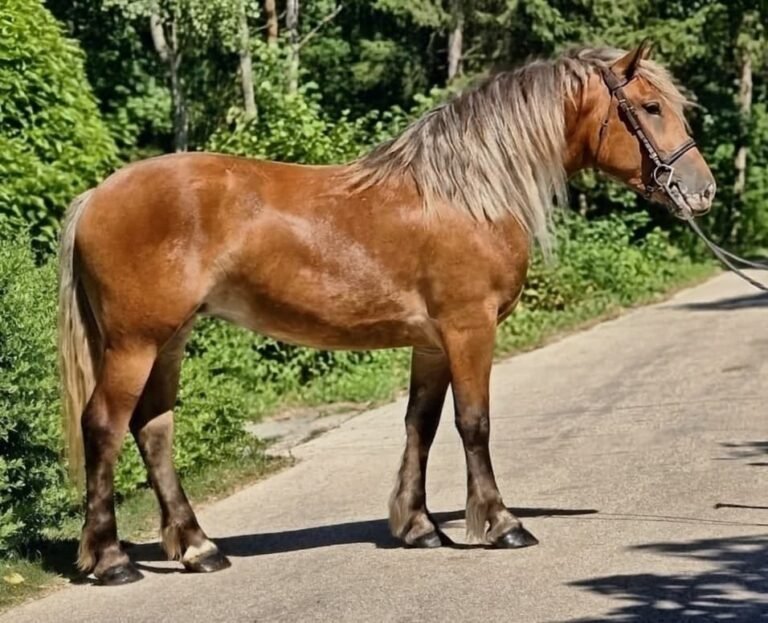 Dressage Horse
 Dressage Horse
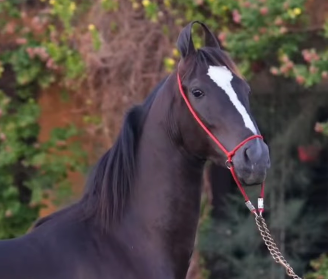 Marwari Horse