


Monsoon transitions bring more than rain to Indian stables. For draught and sport horses, the mix of humidity, mud, and shifting turnout can challenge hoof health. A practical, climate-aware protocol doesn’t need to be expensive. With common, locally available materials and a consistent routine, stables can reduce mud-related problems such as thrush, sole cracks and abscesses while keeping horses comfortable and sound. The approach below is designed for realistic Indian conditions—budget-conscious, easy to implement, and adaptable to small paddocks, larger stables, or stud farms.
Understanding the Monsoon Challenge in Indian Stables

India’s monsoon can turn pastures into muddy tangles and barn floors into damp corridors. Hooves that stay damp for long periods invite fungal and bacterial growth in the frog and sole, increasing the risk of thrush and soft tissue discomfort. Mud also hydrates the hoof wall unevenly, which can lead to cracks in the vertical horn and, in turn, minor lameness or abscess formation if bacteria migrate inward. For draught horses that spend time on varied surfaces and sport horses that train frequently, these risks are amplified by heavier work and faster hoof wear. A proactive, climate-tailored plan aims to keep the hoof environment drier, promote natural shedding of mud, and shorten the window for potential infections.
Mud, moisture, and the hoof environment
- Moisture retention in frog crevices increases the risk of thrush and foul odors.
- Standing water near paddocks and stalls softens hoof walls and can cause cracks that trap mud.
- Inadequate drainage and damp bedding prolong exposure of the hoof to moisture, hindering natural drying after work or turnout.
- Physical wear from repeated turns in wet conditions can expose sensitive regions and create micro-cracks that invite infection.
A Low-Cost, Climate-Tailored Protocol
The protocol below is organized to fit a typical Indian stable budget while addressing the most common monsoon challenges. Start with baseline checks before the peak rains and then follow daily, weekly, and monthly actions that steadily reduce mud-related hoof issues.
Pre-monsoon baseline checks
- Inspect each horse’s hooves for cracks, chips, and frog cleanliness. Note any horses showing early signs of sensitivity or redness around the heels.
- Assess stall drainage, bedding depth, and the visibility of dry zones. Prioritize improving drainage and creating small dry patches where horses can stand between mud cycles.
- Schedule a farrier visit if the last trim was more than 6–8 weeks ago, and align this plan with anticipated monsoon timelines.
- Stock up on affordable hoof cleaning tools (hooft picks, stiff brushes, clean water containers) and keep them accessible to staff.
Daily hoof care routine
- Groom after turnout: remove mud, brush hoof walls gently, and dry the frog area if it’s damp. A dry, clean frog reduces moisture pockets that harbor organisms.
- Inspect for debris in the sole and frog—grit or stones held in the hoof can worsen cracks or cause discomfort during work.
- Choose a dry, clean area for any hooves that appear damp. If you cannot dry the hoof immediately, mark the horse for lighter work and return to it for thorough drying later in the day.
- Maintain a routine for water availability and ensure wash areas are kept clean to prevent cross-contamination of hoof wear.
Weekly and monthly adjustments
- Weekly: inspect for signs of thrush (dark, foul-smelling crevices), softening of the sole, or unusual heat in the hoof. Trace any cracks and monitor their progression.
- Weekly: remove mud from the soles with a gentle rinse and dry thoroughly; avoid leaving hooves damp for long periods.
- Monthly: review paddock drainage and bedding choices. Add dry, absorbent bedding where moisture accumulates and rework paddock rotation to reduce prolonged mud exposure.
- Coordinate with your farrier to adjust trimming angles if you notice toe-down wear from slick, wet surfaces or uneven wear between trims.
Turnout, footwear, and moisture management
- Plan turnout during the dampest hours of the day when possible, and rotate horses between drier runs to avoid constant moisture exposure.
- Consider barefoot management for trained horses if the ground conditions and hoof health permit; otherwise, discuss light, practical shoeing options with the farrier that support hoof protection in mud without adding excessive weight.
- Improve paddock drainage with simple, locally available materials (graded pedestrian paths, stone or gravel where feasible) to reduce pooled water near walking areas.
Nutrition and hoof health
Provide a balanced diet that supports hoof integrity with adequate protein and minerals. Speak with your equine nutritionist or veterinarian about feeding strategies during the monsoon to maintain hoof horn quality and overall health. Avoid over-reliance on unverified supplements; focus on a consistent, well-balanced ration and fresh water access. Hydration for both horse and stable staff remains essential during humid days.
Monitoring early signs of mud-related issues
Regularly record hoof condition notes and lameness scores. Early signs to watch for include unusual stance, reluctance to move or to bear weight evenly, a damp frog with a distinct odor, or a crack that widens after work. Promptly flag anything that worsens after exercise or turnout and consult your farrier or veterinarian for guidance.
Tools and Budget Options
Many essential items for hoof care are affordable and widely available in India. Building a small, durable toolkit for staff can pay off quickly during the monsoon season.
Essential gear list
- Hoof picks and stiff brushes for daily cleaning
- A small trowel and a clean bucket for mud removal and drying sessions
- Drying mats or clean, absorbent bedding where possible to create dry standing zones
- Lightweight, breathable stable footwear for handlers to reduce fatigue and improve foot health during long shifts
- A simple, shut-off water source with controlled drainage to keep the wash area clean
- Basic antiseptics or antifungal guidelines as recommended by your farrier or vet (note: use only as advised)
Budget-friendly products in India
Look for locally available products that are simple, non-prescription, and compatible with your stable’s routines. Durable mats, absorbent bedding options, and low-cost drainage improvements can significantly reduce moisture exposure. When in doubt, consult your trusted farrier for product suggestions that suit your horse’s workload and hoof condition. For broader marketplace options, you can explore the IETA platform to learn about nearby horses, studs, and suppliers, including options to browse horses here.
4-Week Seasonal Plan and Checkpoints
Use this timeline to scaffold your routine so staff can maintain consistency even during busy days or unexpected rain spells.
- Week 1: Baseline checks and drainage tweaks. Confirm farrier visit timing and set daily hoof-cleaning slots. Create dry zones in each stall.
- Week 2: Implement daily drying routines and weekly thrush checks. Begin light turnout adjustments to reduce mud exposure for susceptible horses.
- Week 3: Review paddock rotation and bedding changes. Reinforce staff training on mud handling and hoof inspections.
- Week 4: Evaluate improvement in hoof condition, refine feeding adjustments with nutritionist input, and set the next farrier follow-up plan. Consider small costs for additional drainage improvements if needed.
Where to Source Guidance and Goods
For those considering new horses or evaluating stud options in light of hoof health and stable management, browsing available horses and facilities can provide useful context. You can explore the listings and studs on the IETA platform as part of a broader stability plan Browse horses or Explore stud farms. If you’re seeking gear or partnerships, the Vendor Program and Shop pages offer entry points to affordable, field-tested solutions Vendor Program and Shop.
FAQs
Q1: What makes monsoon hoof care different from dry-season care?
A: The focus shifts toward reducing prolonged moisture exposure, improving drainage and dry zones, and increasing regular hoof checks. Routine grooming and timely storage of gear become even more important to prevent mud from lingering in the hoof crevices and on the sole.
Q2: How often should farrier visits occur during the monsoon?
A: Typically every 6–8 weeks, or as advised by your farrier based on hoof wear and crack progression. More frequent checks may be needed if mud or thrush signs appear.
Q3: Can I use home remedies for thrush or cracks?
A: Hygiene and stable environment improvements are the foundation. Use any topical treatments only after guidance from your farrier or veterinarian. Avoid prescribing or relying on unverified home remedies without professional advice.
Q4: What signs indicate a developing abscess?
A: New or worsening lameness not explained by surface injury, heat in the hoof, sensitivity to touch around the hoof, or swelling near the coronet or pastern. If you notice these signs, contact your veterinarian promptly for assessment.
Explore India’s Equine Marketplace
Discover horses, stallions, stud farms and trusted equine services on IETA.

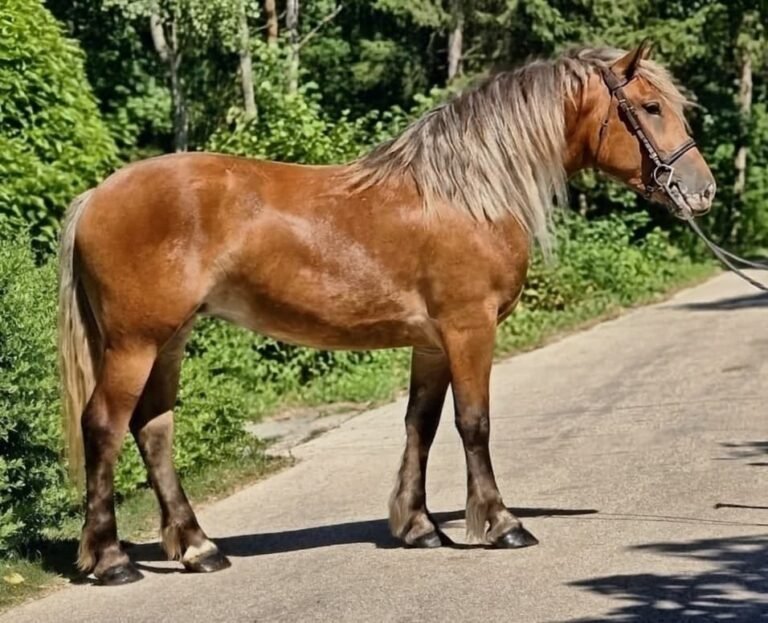 Dressage Horse
 Dressage Horse
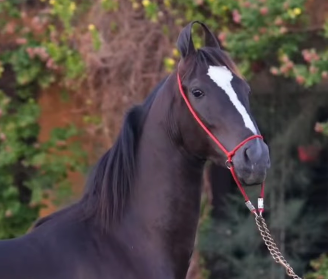 Marwari Horse