

Buying a horse in India is a journey that blends tradition, skill, and reliable temperament. No matter the breed or discipline, temperament is the compass that points toward a safe ride, consistent performance, and a rewarding partnership. This guide offers practical, field-tested ways to observe and evaluate temperament before you commit to a purchase.
In a market as varied as ours, understanding temperament helps you align a horse’s natural responses with your riding goals, your experience level, and the work you intend to do. To get a broad sense of what’s available, you can browse horses on the marketplace: Browse horses. If you’re curious about breeding options and how temperament can play into bloodlines and handling, you may explore stud farms: Explore stud farms. For more information about the platform and its services, consider visiting: Visit IETA.
Understanding temperament and why it matters

Temperament describes how a horse typically responds to new people, tasks, environments, and stress. It’s not a single trait but a blend: calm confidence, curiosity, sensitivity to touch, reaction to noise, quickness to learn, and the consistency of responses across different settings. In India, where many riders train at home farms, ride in mixed terrains, and prepare for competitions across disciplines, temperament translates into reliability—whether you are schooling on a parade ring, negotiating busy roads near a stable, or working in a field setting.
Core temperament traits to look for
- Calm under pressure: a horse that remains settled when approached by strangers, when tied, groomed, or during a routine groundwork session.
- Confident but not reckless: a horse that investigates new stimuli but does not rush through tasks or bolts when presented with a challenge.
- Consistent reaction: similar responses across different days, handlers, and environments, indicating reliable habits rather than situational behavior.
- Trainability: willingness to follow cues, accept tack, and respond to light aids without excessive resistance or evasion.
- Safety awareness: good control of speed, lightness in the mouth, and a respectful response to rider weight and aids.
Temperament matters because it informs what kind of partner you will have with you in the long term. It affects how well the horse will adapt to your routine, your level of riding, and the kind of work you plan—whether that is trail work, recreational riding, dressage, or breeding duties. In India, where many buyers are balancing work, family, and training schedules, temperament is often the deciding factor between a rewarding relationship and ongoing management challenges.
Pre-purchase observation plan
Approach temperament evaluation as a structured, three-phase process: gather information, observe on the ground, and assess during a short ride. Each phase builds on the previous one and reduces the risk of surprises after purchase.
Phase 1: Information gathering
- Ask the seller about the horse’s routine, handler changes, and how it behaves with children, dogs, or other horses. A horse that remains steady in the presence of varied humans is often more predictable in new situations.
- Request a brief history of any training or handling milestones. You don’t need flawless past results; you do need consistency in how the horse has been managed.
- Note the horse’s general health and soundness. While temperament is separate from physical condition, discomfort can influence behavior. A quick vet bob may be arranged as part of a broader assessment.
To broaden your perspective, it helps to explore a few different options. If you’re evaluating breeding potential or pedigree-related temperament considerations, you can browse relevant breeders and studs on the platform; see the links above for a gateway to more listings.
Phase 2: On-ground observation
A grounded, controlled environment allows you to see how the horse handles everyday stimuli. Plan at least 20–30 minutes per session, and conduct multiple sessions on different days if possible. Observations to focus on:
- Approach and handling: Friendliness or avoidance when you approach the horse, ties, grooming, and hoof care. A willing horse that accepts handling calmly is a good sign for future cooperation.
- Lead and restraint: How does the horse move on the lead, respond to pressure, and stay balanced when changing directions? Is it cooperative with minimal resistance?
- Touch and pressure sensitivity: Test with grooming tools, saddle pads, or a bridle; note any flinching, pinning ears, or tension. A calm response indicates confidence in handling.
- Reaction to novelty: Introduce a new object or sudden noise from a distance and observe whether the horse investigates calmly or becomes easily startled.
- Herd behavior: If possible, observe with other horses nearby. Some horses are more confident and settled when in close contact with conspecifics; others may become insecure.
These are not tests in a lab; they are practical checks you can perform in a routine yard setting. If you have any doubt about a horse’s ability to remain calm under basic tasks, consider requesting a trainer or experienced handler to assist during the session.
Phase 3: a short ride or groundwork session
If the seller consents and safety permits, a short, low-risk ride or seated groundwork can reveal how temperament translates under an actual rider’s weight and balance. Focus on:
- Saddle and rider preparation: Does the horse accept tack without resistance? Is mounting calm and controlled or does mounting trigger evasion?
- Movement and balance: Are transitions smooth, and does the horse stay composed at a walk, trot, or canter? Note any pulling, leaning, or urgency to hurry through a session.
- Reaction to cues: Observe how quickly and softly the horse responds to leg and rein aids, and whether it keeps a steady tempo without constant prompting.
- Traffic and environment: If safe to do so, a brief exposure to typical Indian riding environments (gates, vehicles, pedestrians) can reveal how the horse copes with everyday riding settings.
Take notes on everything. A single good ride is encouraging, but consistency across multiple sessions is the hallmark of a trainable temperament. If the horse shows fear or excessive reactivity on a simple cue or obstacle, it may be a red flag, especially for first-time riders or busy farm environments.
Red flags vs green flags: a practical quick-reference
Use this quick guide when you’re weighing options in the field:
- Green flags: steady eye contact, relaxed jaw and ears, even breathing, and a calm, forward response to light aids.
- Green flags: willingness to be touched all around the body, including the hindquarters and legs, without flinching or showing aggression.
- Green flags: consistent behavior across handlers and days; minimal prize-seeking behavior for food or attention that changes with setting.
- Red flags: strong startle responses, resistance to leading, pinning ears, tail swishing aggressively, or a tendency to rush or bolt in new situations.
- Red flags: fear-based aggression, poor recoveries after a scare, or dangerous reactions to mounting or contact with riders.
Bear in mind that no single sign should decide a purchase. Temperament is best judged as a pattern across conditions, not a one-off moment. The goal is to find a horse whose temperament aligns with your experience, discipline, and safety expectations.
Questions to ask the seller and documentation you should seek
Conversation and documentation can illuminate temperament in ways observation alone cannot. Consider asking:
- What kinds of riders has this horse shown tolerance for, and what training methods were used?
- Has the horse shown any consistent fear or avoidance in routine tasks like brushing, loading, or veterinary handling?
- What are the horse’s trigger points (for example, close proximity to traffic, sudden noises, or unfamiliar people)?
- What is the current routine around turnout, feeding, and seasonal changes, and how does the horse adapt to it?
In addition, request a basic veterinary check and a PPE (pre-purchase examination) summary if the seller agrees. While temperament is behavioral, ensuring there are no underlying pain-driven responses is essential for safety and long-term satisfaction.
Trial rides and safe handling: a short plan you can use
A well-structured trial helps you see how temperament translates into riding. Plan a session with a trusted trainer or an experienced rider if you are a beginner. A simple plan might look like this:
- Begin with ground work for 10–15 minutes, focusing on leading, stopping, and basic yield in-hand cues.
- Put on light tack, if permitted, and observe how the horse accepts it at a walk.
- Proceed to a short walk and then a light trot, maintaining consistent tempo and calm responses to aids.
- Introduce a few non-threatening distractions (a bag of grain, a loose rope, a rolling chair) and watch for how the horse maintains composure.
- Conclude with a cool-down and positive reinforcement to gauge how the horse recovers after effort.
If the trial goes smoothly, you’ll likely gain confidence about the horse’s carrying capacity and its readiness to train with you. If the horse remains tense or unresponsive to cues, consider whether more groundwork and desensitization could help, or whether another horse might better fit your plans.
Safety, welfare, and ethical considerations
Temperament is inseparable from welfare. Never push a horse beyond its comfort during evaluation. If a horse appears overwhelmed, give it time and avoid forcing a protocol that creates fear or panic. Work with a qualified trainer or a vet consult when needed. The goal is to establish a sustainable partnership built on mutual trust and respect, not to chase a quick result.
A quick buyer’s checklist for temperament
- Consistency: does the horse behave similarly across sessions and handlers?
- Calm handling: is grooming, tacking, and mounting met with calm cooperation?
- Trail and environment tolerance: is the horse comfortable in varied settings (yard, arena, turnout, roads if appropriate)?
- Rider compatibility: does the horse respond appropriately to your level of riding and weight?
- Safety cues: are your chosen cues (leg, seat, rein) clear and effective without resistance?
Bring these observations together with the seller’s information, and use a structured plan to decide responsibly. If you need broader context or options, consider the marketplace listings and breeder networks as part of your due diligence: browse horses to compare temperament profiles, or explore stud farms to understand how temperament is managed across generations.
Conclusion
Temperament is the living heartbeat of a horse’s suitability for your life, your goals, and your safety. A thoughtful, staged approach—groundwork, observation, and a short ride—helps you understand how a horse feels in its skin and what it is likely to become with consistent handling and training. In the end, the best buy is a horse whose character complements your skill, lifestyle, and ambitions, creating a partnership built on trust and steady progress.
FAQs
- What makes a good temperament for a first-time rider?
A good temperament for a first-time rider includes calmness, predictable responses to aids, and confidence in handling, with a tolerance for learning from a rider who is still building balance and timing.
- How long should I test temperament before buying?
Plan multiple sessions across at least two different days and environments. Consistency over time is more important than a single positive session.
- Should I involve a trainer or vet?
Yes. A trainer can guide you through temperament assessment on the ground and during a ride, while a vet can help ensure there are no pain-driven behaviors that might complicate handling or riding.
- Can temperament change with training?
Some behaviors can improve with patient, consistent training and routine, especially if the horse has had a supportive and structured learning environment. The pace and outcome depend on the horse’s history, learning style, and your commitment.
Explore India’s Equine Marketplace
Discover horses, stallions, stud farms and trusted equine services on IETA.

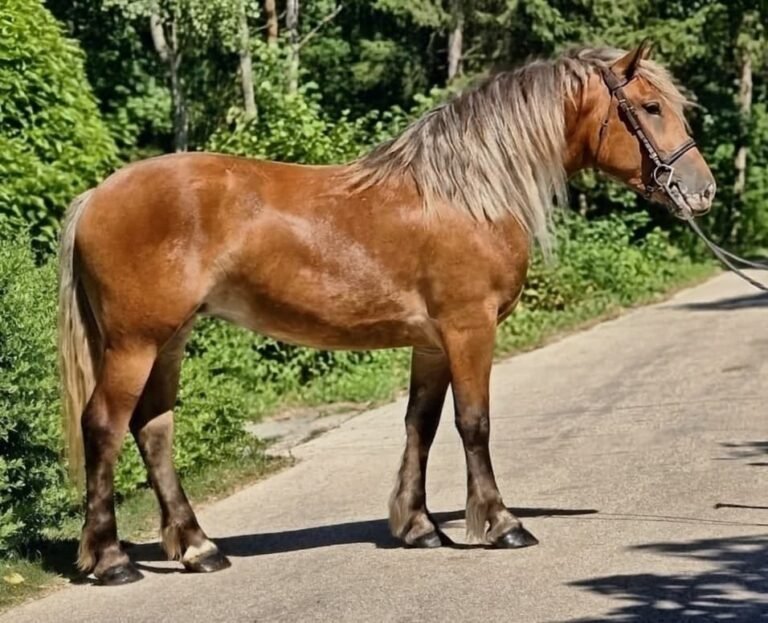 Dressage Horse
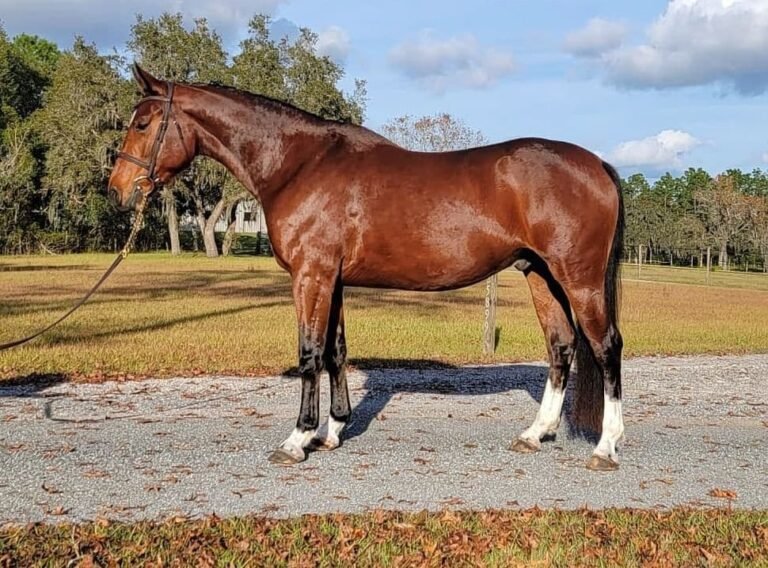 Dressage Horse
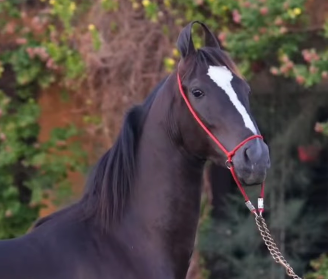 Marwari Horse