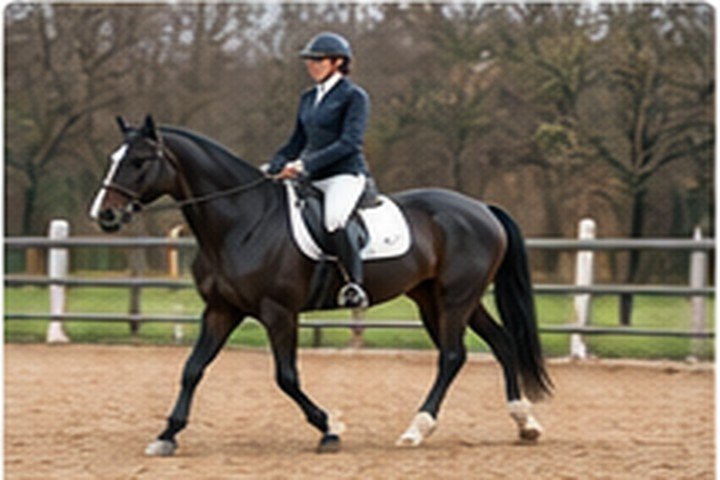


Marwari horses are a cornerstone of Indian equestrian culture, prized for their endurance, resilience, and unique silhouette. For buyers, owners, breeders, and studs, choosing the right Marwari means more than selecting a pretty coat; it means matching temperament, health and capability to your riding goals, climate, and training plans. This guide offers practical steps to evaluate a Marwari horse in India, with clear checks and a practical buying path.
Understanding the Marwari for Indian buyers

The Marwari is known for hardiness and a calm, cooperative temperament when handled with care. In the Indian context, they excel in long rides, farm and work duties, and as partners for riders who value durability and a connection with the horse. Distinctive in silhouette, Marwari horses often display an inward-curving ear shape that marks their identity. You will also notice a balanced frame, solid bone, and a reputation for adapting to hot climates and varied terrains. When evaluating a candidate, consider how the horse responds to routine handling, ground work, and your preferred riding style.
To see current Marwari listings and compare options, you can Browse horses.
Key evaluation areas when choosing a Marwari
Temperament and rideability
Begin with calm handling on the ground: halter the horse, lead with a soft tug, and observe reactions to touch, voice cues, and moving in tight spaces. A well-mannered Marwari will stand quietly, respond to gentle pressure, and show curiosity rather than avoidance. During a short saddle or bridle introduction, note whether the horse remains relaxed, carries its head naturally, and accepts the bit without undue head tossing. For riders, a slow, controlled ride on flat ground is essential to assess balance, responsiveness, and comfort—check that the horse remains cooperative at walk, trot, and canter with you in control.
Conformation and suitability for your purpose
Conformation should support the intended use. A Marwari intended for regular riding and long treks should have sound, well-formed hooves, clean limb joints, and a supple back. Look for balance: a proportionate neck, withers, and shoulder that allow easy weight distribution and a comfortable gait. Avoid obvious soundness issues such as irregular movement, swelling, or a restricted range of motion. Size and build should match the rider’s weight and the planned activities, whether casual riding, endurance training, or light dressage.
Health, vaccination, and soundness
Ask for a veterinary check and review health records, vaccination history, and parasite control. The health history may reveal prior illnesses, injuries, or recurring issues that could influence performance and care. Observe teeth and mouth comfort during handling and bridle work, as dental health affects ride quality. Check for signs of lameness, heat or swelling in limbs after light exercise, and listen for unusual breathing patterns at rest and after exercise. A fresh, unhurried assessment is worth the extra time.
Age, training, and ride history
Age influences what you can achieve in training and what you can expect from the horse on the trail. Younger horses may be keen and inexperienced, while older horses may carry more trained responses but require ongoing maintenance. Ask about the horse’s training history, tack compatibility, and previous riding experiences. Match the horse’s current training level with your goals, and plan a gradual progression that respects the animal’s comfort and safety.
Documentation and provenance
Documentation helps you understand the horse’s background and ownership. Look for available papers from the breeder or seller; verify the age with dental clues if needed, and request any microchip or registration details if they exist. Remember that not every Marwari will have formal registry papers, but provenance helps with honest sales and future service. If breeding or stud considerations matter to you, discuss expectations and future plans with the seller.
Trial ride and rider compatibility
Whenever possible, arrange a supervised trial ride with your own safety gear. Start on familiar ground and slowly introduce cattle or water obstacles if that’s part of your plan. Pay attention to how the horse responds to your weight, leg aids, and rein contact. A horse that remains soft in the jaw, willing to move forward, and responsive to your cues is a good sign. If you are evaluating breeding prospects, consider how the horse carries itself under riding and how it may pair with your mares.
Practical buying steps and a quick checklist
- Define your purpose: riding, endurance, farm work, or a combination, and set a realistic budget that includes ongoing care, transport, and equipment.
- Decide on a height and build range that suits the rider and terrain you expect to encounter.
- Inspect the horse with an experienced handler or veterinarian, and request a health history and current vaccination records.
- Observe a short ground work session and a controlled ride to gauge temperament, balance, and control.
- Check for structural soundness and look for signs of past injuries that might affect future use.
- Discuss documentation, transfer of ownership, and any breeding or progeny plans if relevant.
- Arrange safe transport and a plan for acclimation to your stable routine.
For those considering breeding or selecting a stallion, you may also find it useful to Explore stud farms or View stallions as part of your planning. For broader resources and listings, you can Visit IETA.
After purchase: care and integration
Plan a graduated introduction to your facilities, feed, and daily routine. Schedule a basic dental check and farrier visit, and establish a consistent routine that supports hydration, grooming, and mental comfort. A well-supported transition helps build trust and reduces stress for you and the horse, especially during first weeks together.
FAQ
What makes a Marwari a good choice for buyers in India?
Marwari horses offer a blend of hardiness, adaptability to diverse Indian climates, and a cooperative temperament that suits many Indian riding environments. Their resilience and steady willingness to learn make them popular for riders who value a reliable, traditional partner.
How should I assess temperament and rideability?
Start with calm handling on the ground, then progress to a short ride in a controlled environment. Look for a horse that remains relaxed, responds to voice and leg cues, accepts the bit without tension, and shows willingness to progress without strain. A patient ride with a gentle instructor is ideal for first-time examinations.
What documents or records should I check before buying?
Ask for health and vaccination records, dental notes, and any available papers from the breeder or seller. If there are registration or breed association documents, review them, but remember that lack of paperwork does not automatically reflect poor quality. Ensure a clear transfer of ownership and obtain contact details for the seller for follow-up care or training advice.
What should a novice rider consider when choosing a Marwari?
Focus on rideability, appropriate size, and a calm, trainable temperament. Choose a horse with a gentle, cooperative temperament and a trained but responsive rider. Start slowly with short, guided sessions and seek instruction from a qualified trainer to build confidence and safety for both horse and rider.
Explore India’s Equine Marketplace
Discover horses, stallions, stud farms and trusted equine services on IETA.
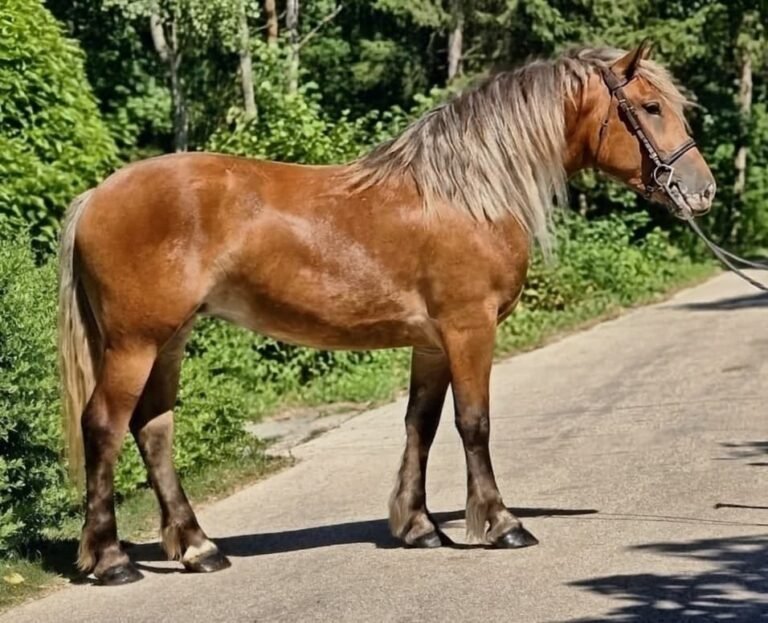 Dressage Horse
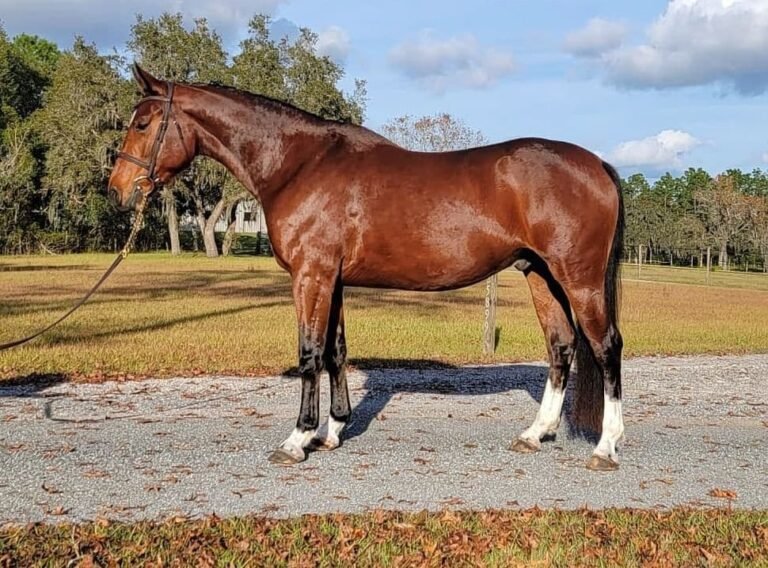 Dressage Horse
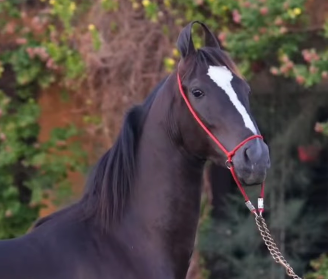 Marwari Horse