

Drawing a line between a good performance and a memorable one often comes down to preparation. For Indian horse owners, riders, breeders, and stud farms, the lead-up to a show is a period for refining routine, checking equipment, and aligning nutrition and conditioning with the ring’s demands. This guide offers a clear, actionable checklist that works across disciplines and ring sizes, with emphasis on practical steps you can implement in Indian conditions—humid weather, varied venues, and a growing show circuit. If you’re scouting potential prospects, you might also begin by browsing horses on our platform: Browse horses. For broader options, explore our vendor programs and services at Vendor program or learn more about the IETA community by visiting Visit IETA.
1. Start early: set clear goals and a realistic timeline

Show preparation begins well before you arrive at the venue. Start by defining the show goals for your horse—class types, movement requirements, and handling expectations. Then work backward to create a timeline that fits your calendar, climate, and horse’s health status. Indian show venues differ in ground, lighting, and surface feel; plan for acclimatisation, especially if your horse has limited exposure to certain rings or times of the day.
Key actions to begin now:
- Confirm entry deadlines and horse eligibility for the classes you plan to enter.
- Schedule dental, veterinary, and farrier visits with a clear plan for the weeks ahead.
- Review the horse’s vaccination and parasite control schedule, aligning it with show dates.
- Assess the horse’s training plan for the next 6–8 weeks, focusing on the demands of the target classes.
2. Grooming and presentation: coat, mane, and cleanliness
Grooming sets the tone for how a horse moves and how a rider appears in the ring. A consistent, mindful grooming routine reduces stress on show day and helps you present a calm, controlled performance. In humid Indian climates, regular grooming also helps manage sweat, skin health, and coat shine without overloading the horse with products.
Grooming essentials and routine tips:
- Daily brushing to remove dirt and loosened coat; a curry comb helps stimulate circulation and loosen mud in damp weather.
- Bathing plan that aligns with the day’s schedule and ring temperature; use a mild shampoo suitable for frequent use and thoroughly rinse to prevent skin irritation.
- Coat protection: use a light layer of show sheen or conditioning spray if your horse tolerates it, but avoid heavy products the day of the show.
- Mane and tail: braiding or banding is common in many classes. Practice braiding well ahead of the show so the horse remains comfortable during the ring walk.
- Hoof care: clean, pick, and apply light hoof oil if permitted by class rules; ensure nails and hooves are in good condition with no obvious cracks.
- Face, ears, and scone maintenance: keep the face clean but avoid aggressive products near sensitive eyes or ears.
Show-day presentation should be neat and practical. If you’re searching for a show prospect or partner, consider browsing options here: Browse horses for candidates, or explore our broader network at Shop for gear and essentials.
3. Tack, equipment, and rider attire: reliability over novelty
The tack and rider clothing must be clean, well-fitted, and dependable. Indian rings vary in surface and crowd, so ensure your setup promotes safety, balance, and visibility to judges.
Checklist for tack and equipment:
- Bridle, bit, reins, and throatlatch are clean, not twisted, and adjusted to the horse’s head without pinching.
- Girth, billets, and saddle proper fit and security; check for cracks or wear that could fail under competition stress.
- Saddle cloth or number bib fits well and is unobtrusive; avoid heavy embroidery that may distract in the ring.
- Protective gear: leg wraps, boots, or bandages if required by discipline; ensure they fit properly and are not restricting movement.
- Rider apparel: comfortable, clean, and appropriate for the class—ensure boots, gloves, and helmet fit and are in good condition.
Always carry a spare gear bag with a basic toolkit: spare stirrups, elastic keeps, thread, a small needle, and a multitool for quick adjustments. If you’re shopping for equipment or seeking reliable vendors, our marketplace features options you can explore: Vendor program or visit Visit IETA for more resources.
4. Conditioning and fitness: balance strength, suppleness, and endurance
Conditioning is not about pushing for extreme speed or stamina; it’s about building a balanced horse that moves well on show day and recovers afterward. A well-rounded program improves topline, hindquarter engagement, suppleness, and respiratory efficiency, all while reducing the risk of injury. In India, climate and work hours influence routine; plan workouts in cooler parts of the day and adjust for humidity and heat stress.
Basic conditioning framework:
- Baseline fitness assessment with your trainer or vet to identify any gaps or hotspots (back, neck, hindquarters, or joints).
- Three to four conditioning sessions per week focusing on athletic movement (long and low walks, laterals, transitions, and controlled canter work).
- Rest days and gradual progression to avoid overuse injuries; include light hacking and stretching on easy days.
- Warm-up before each training session and show day to activate muscles without fatigue; finish with a cool-down and light stretch.
Adapting conditioning to the show context is crucial. If you’re evaluating breeding or training partnerships, you might reference broader resources at Browse horses for examples of conditioning approaches across different equine types.
5. Health checks, dental care, and records: keep information current
Health readiness is the backbone of a successful show season. Ensure dental care, vaccinations, parasite control, and hoof care are up to date well before the first class. Carry a wallet-sized health record with your horse’s microchip (if applicable), vaccination dates, and emergency contact information for quick reference at the venue.
Prior to the show, confirm with your veterinarian that any regimen is appropriate for the horse’s age and condition. Do not introduce new medications or supplements in the week of competition without veterinary guidance.
6. Nutrition and hydration: steady energy for the ring
Food and water influence mood, performance, and recovery. In hot or humid Indian venues, hydration planning becomes as important as the conditioning plan. Maintain a consistent feeding schedule and avoid major changes in the week leading up to the show, especially in terms of roughage and electrolyte balance.
Practical nutrition tips:
- Offer fresh water consistently; check water availability and ensure clean drinking sources at the venue.
- Use a high-quality forage plan and a stable concentrate schedule that aligns with the horse’s workload and showday timing.
- If your horse has dietary restrictions or sensitivities, consult your veterinarian before the event and carry any required supplements with clear usage guidelines.
7. Travel, stabling, and venue logistics: reducing stress and ensuring safety
Transport is a major part of show day planning. Begin by validating the transport route, securing a suitable trailer or transport service, and ensuring the stall area is prepared for your horse’s needs. Arrive with ample time to settle in, check water, feed, and bedding, and acquaint the horse with the new surroundings to minimize in-ring stress.
Transport and stall-check checklist:
- Trailer or vehicle is roadworthy, clean, and adequately ventilated; secure partitions and tie points for safety.
- Bedding is clean and dry; stall size accommodates the horse’s girth and movement without crowding.
- Feeding schedule continues at show venue; provide water with a stable routine to reduce anxiety.
- Emergency kit includes halter, lead rope, spare headstall, first-aid basics, and a contact card with vet and owner details.
Need gear and accessories, or want to compare show venues and facilities? Check out our shopping and venue resources: Shop and Visit IETA.
8. On the day of the show: warm-up, ring procedure, and safety
The show day itself demands calm focus. A predictable warm-up routine helps the horse settle into the ring’s pace and noise. Have a clear plan for how long you’ll work before your class, what movements you’ll rehearse, and how you’ll manage transitions from warm-up area to the ring.
Ring readiness steps:
- Arrive early enough for a thorough gear check and a calm, gradual warm-up that suits the class (walking, trotting, cantering, and transitions).
- Maintain a relaxed yet attentive rider posture; use light contact and timing to showcase your horse’s responsiveness.
- Be mindful of the ground texture and the horse’s footing; adjust your pace to avoid slips or stumbles.
- Post-class, cool down gradually with a short walk and gentle stretches; review the performance while the horse remains calm.
9. Post-show: review, maintenance, and planning next steps
After a show, a brief reflection helps you identify what went well and what needs work. Record observations about the horse’s behavior, fatigue levels, and any gear adjustments that improved or hindered performance. Use these notes to refine your training plan, grooming routine, and travel logistics for the next event.
Infra and record-keeping habits to adopt:
- Keep a show diary with date, class, placement (if any), and notes on training adjustments.
- Schedule a follow-up with the vet or trainer for concerns arising from the event (lameness, appetite changes, or behavior shifts).
- Repair or replace worn gear promptly; ensure you have spares ready for the next appearance.
Show preparation checklist by timeline
6–8 weeks out – Define goals, confirm classes, schedule vet and farrier visits, review vaccination history, begin conditioning adjustments as needed.
4–6 weeks out – Start a grooming plan, practice mane management, check tack fit, source gear or replacements if necessary, begin early braiding practice.
2–3 weeks out – Increase conditioning intensity gradually, confirm travel arrangements, verify entry deadlines, coordinate with trainers and coterie of helpers.
1 week out – Clip if needed, wash thoroughly, do a final tack check, lay out show kit, and ensure the feed and hydration plan is stable. Do a short mock warm-up to confirm timing.
Show day – Arrive early, perform a calm warm-up, execute your ring routine, and keep the horse’s routine consistent. After the class, cool down and maintain hydration.
Frequently asked questions
Q: What should a pre-show grooming kit include?
A practical kit includes a curry comb, body brush, soft brush, mane comb or brush, hoof pick, damp cloth, horse-safe shampoo, show sheen or light coat conditioner (if permitted), braiding thread, scissors, and a small mirror for touch-ups. Carry spare elastics, extra rope or halter and a contact sheet with your vet and trainer’s numbers.
Q: How should I structure conditioning in the weeks before a show?
Plan three to four weekly conditioning sessions that build strength and suppleness without overloading the horse. Include low-impact cardio, hill work if possible, and controlled transitions. Build in rest days and monitor for signs of fatigue or soreness; adjust the plan if needed and consult your trainer or vet for discipline-specific guidance.
Q: What are essential tack checks before the show?
Inspect the bridle, bit, reins, girth, saddle, and stirrups for wear. Ensure all buckles and stitching are secure. Check for smooth buckle action, no loose threads, and that the reins are correctly threaded. Pack spares and a basic repair kit so you’re prepared for adjustments at the venue.
Q: How can I manage nerves for riders and keep the horse calm?
Establish a consistent warm-up routine, use familiar cues, and practice calm, balanced riding. Ensure adequate hydration, regular meals, and a predictable schedule on show days to reduce stress. Gentle exposure to the show environment in practice sessions helps both horse and rider build confidence over time.
For further guidance and community support, revisit our platform and resources: Browse horses for potential show prospects, Explore stud farms, or visit Visit IETA for the broader marketplace.
Explore India’s Equine Marketplace
Discover horses, stallions, stud farms and trusted equine services on IETA.
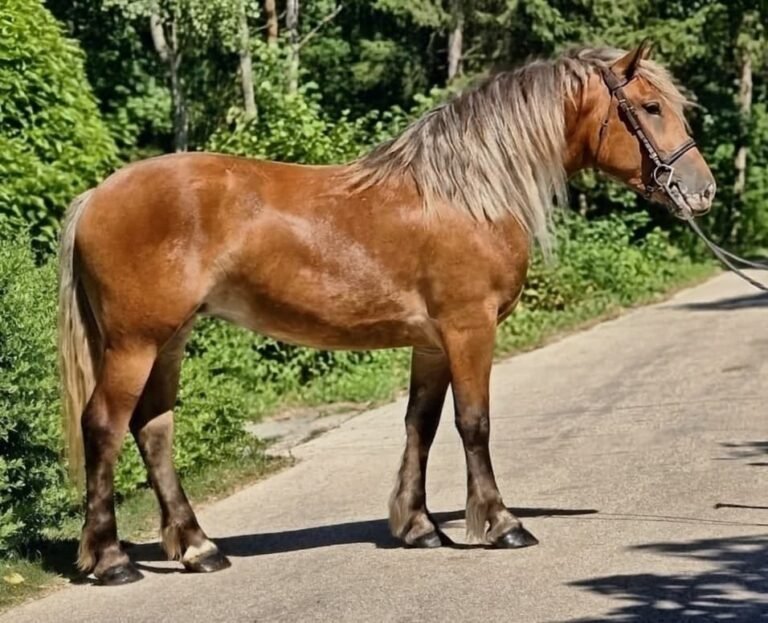 Dressage Horse
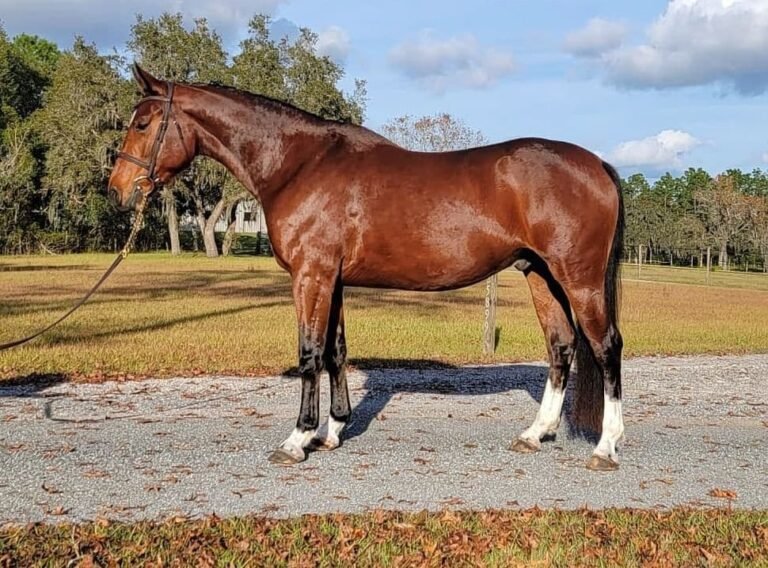 Dressage Horse
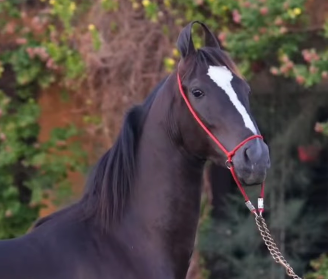 Marwari Horse