

For Indian buyers and breeders, temperament and soundness often determine whether a horse becomes a trusted riding partner or a costly project. This region-specific guide offers a practical 15-minute on-farm protocol tailored to Marwari and Kathiawari horses, designed to help you gauge rideability, safety, and likely training needs right at the stall or in the paddock. It is intended as a quick snapshot to inform decisions, not a substitute for a full veterinary pre-purchase examination.
The 15-minute protocol: a practical, region-specific approach
Step 1: Five-minute temperament snapshot
- Approach and halter acceptance: observe how calmly the horse eyes the handler, whether it accepts the halter without hesitation, and if it yields to gentle pressure.
- Reactivity to surroundings: note any strong startle responses to common farm noises or movements from behind and to the sides.
- Initial forward movement: when asked to move at a walk, does it step off promptly, or show stiffness, evasive movements, or impatience?
- Ground manners: assess how the horse stands when commanded to halt, and whether it allows touching at withers, chest, and hindquarters without shifting away.
Step 2: Five minutes handling and desensitization tasks
- Leading and line work: walk, stop, yield shoulders, yield hindquarters, and change direction on a short line at a controlled pace.
- Light pressure and cues: respond to gentle rein aids, leg cues, and voice cues; note consistency and timing of responses.
- Desensitization exposure: calmly introduce a few simple props (e.g., cloth, soft banner) and observe composure and curiosity rather than fear.
- Tack handling: if available, check saddle pad placement and girth tension; ensure comfort with basic tack motions while keeping safety in view.
Step 3: Five minutes rider simulation or seated test
If a trained rider is available and the horse is comfortable, conduct a brief seated session with a properly fitted saddle on a quiet surface. If not, substitute with a longe or long-line session to observe rideability and cue response without placing the horse under direct rider weight.
- Under-saddle cues: light leg cues to walk and turn; assess rhythm, responsiveness, and calm breathing.
- Safety checks: monitor for reluctance, resistance, bucking, tail swishing, or attempts to evade cues; ensure the horse maintains a straight line and predictable turning without sharp head tossing.
- Soundness observations: look for symmetrical movement, even weight-bearing, and an absence of obvious joint stiffness or head-bobbing; check for smooth transitions on the longe line or under saddle.
Interpreting the results and next steps
After 15 minutes, classify the horse as green, amber, or red based on overall temperament and observed soundness.
- Green: Calm, cooperative temperament with acceptable basic soundness. Suitable for a PPE and a longer training evaluation with a trainer or rider. Proceed with due diligence and document observations for future reference.
- Amber: Potential exists but notable gaps in rideability or soundness. Develop a targeted training plan with a qualified trainer and schedule a comprehensive veterinary evaluation to check issues that may require management or correction.
- Red: Significant red flags such as strong reactivity, unsafe behavior, or clear lameness concerns. Consider other prospects and avoid rushing into purchase.
Region-specific considerations for Marwari and Kathiawari stock
Farms across Rajasthan, Gujarat, and nearby regions often contend with heat, dust, and varied ground conditions. When applying this protocol, keep these practical considerations in mind:
- Environmental factors: conduct assessments in cooler parts of the day when possible, ensure access to water, and provide a brief warm-up to prevent heat-induced misinterpretation of anxiety.
- Dust and irritants: dusty arenas or loads of flies can influence a horse’s response. Minimize irritants and allow a calm, controlled environment for evaluation.
- Pace of exposure: regional horses may have varied handling experiences. Adapt your patience level and progression for the individual horse, avoiding escalation if the horse shows persistent fear or resistance.
- Safety first: always have a competent handler on the ground, use protective equipment as needed, and avoid tasks beyond the horse’s tolerance for the day.
Practical tips and a quick printable checklist
- Carry a familiar lead rope, a well-fitted halter, and a saddle pad if available; communicate with a calm voice and gentle touch.
- Document observations: a brief note on body language, gait, and cue response helps track training progress over weeks or months.
- Treat this as one data point: follow up with a thorough PPE by a licensed veterinarian and a trainer if you’re considering purchase or long-term training commitments.
Internal resources
For more listings and region-focused options, explore these pages:
Browse horses • Explore stud farms • View stallions • Visit IETA
FAQ
Frequently asked questions
Q1: Is this on-farm protocol a substitute for a full PPE?
A: No. It’s a quick snapshot designed to flag potential safety and training needs on the ground. A full veterinary PPE remains essential before finalizing a purchase.
Q2: What should I do if the horse shows amber or red results?
A: Amber suggests planning a structured training and veterinary follow-up. Red means it’s prudent to consider other prospects and avoid rushing the purchase.
Q3: Can this protocol be used for younger or unhandled horses?
A: Yes, with modifications. Shorter interactions, more frequent breaks, and closer supervision with a trainer are advisable for youngsters or less-handled horses.
Q4: How should climate and monsoon conditions affect the assessment?
A: Schedule assessments to avoid peak heat, ensure adequate hydration, and consider the horse’s comfort with rain or humidity. If the horse appears unsettled by weather, defer to a cooler day or indoor space if possible.
Explore India’s Equine Marketplace
Discover horses, stallions, stud farms and trusted equine services on IETA.
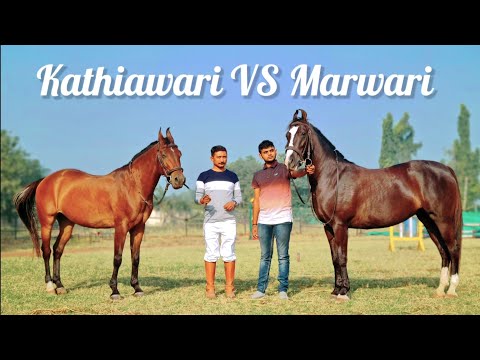
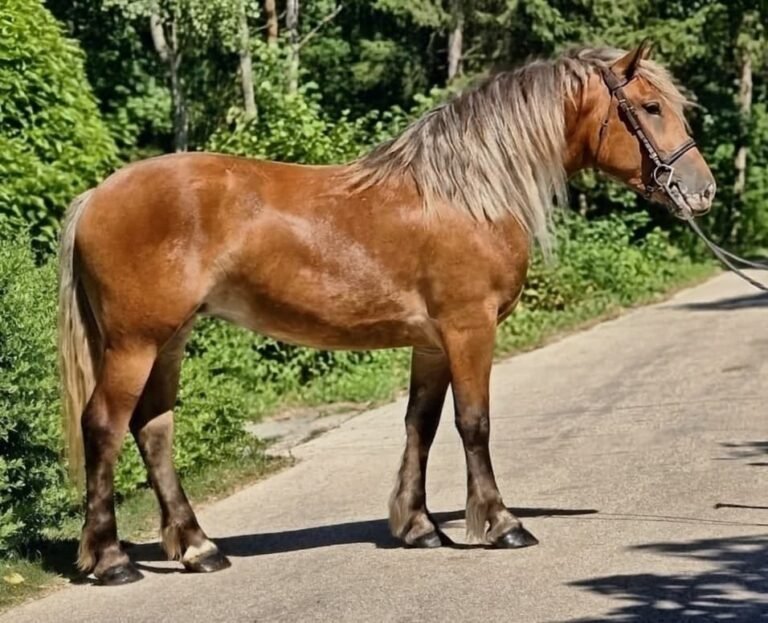 Dressage Horse
 Dressage Horse
 Marwari Horse