


Introduction

For Indian draught horses, the right cart and harness are not just conveniences; they are essential tools that influence comfort, safety, and performance. Whether you’re a smallholder hauling produce, a village-based transporter, or a farm gearing up for field work, choosing equipment that fits your horse’s build, the terrain you work on, and your daily routines will pay dividends in years to come. This guide lays out practical approaches to weight limits, wheel size for varied terrains, braking safety, and routine maintenance—so you can shop with confidence and keep your team moving smoothly.
As you read, you’ll find pointers to reliable gear options and references to helpful resources in our marketplace. For current selections, explore our Shop for harness sets and carts, or browse related listings to compare builds and specs. You can also learn more about related partners and services through our broader site sections: Browse horses and Explore stud farms.
Weight limits and safe loading: reading the signs
One of the most common questions owners ask is how much load a horse should pull. The answer depends on the horse’s body weight, fitness, temperament, the harness design, and the cart’s specifications. Instead of chasing a single number, use a practical checklist that prioritizes safety and rider comfort.
Know your horse: weight, fitness, and condition
- Weigh your horse using a livestock or weigh bridge when possible, or estimate with a weight tape and girth calculations as a starting point. Record the horse’s body weight, age, and general conditioning grade (e.g., lean, moderate, fleshy).
- Assess fitness for work: a horse that tires quickly or shows laboured breathing, poor coat condition, or reluctance to move should have lighter loads and more conditioning before increasing the task.
- Remember that terrain, weather, and rider weight all affect the effective load on a draught horse. A well-rested, properly warmed horse will handle work more safely than one fatigued at the end of a long day.
Cart and harness ratings: reading the specs
- Always check the cart’s gross vehicle weight (GVW) rating and the harness system’s load limits. The GVW describes the maximum weight the cart plus load is designed to carry under standard conditions.
- Look for a system whose ratings correspond to your horse’s body weight. If you weigh 500 kg, seek equipment with clear guidance that accommodates your build and intended work, and prefer gear that distributes weight evenly to avoid pressure on the shoulders and withers.
- Prefer simple, robust hitching arrangements that minimize uneven load shifts. Quick-release features help in emergencies but should not compromise secure power transfer to the shafts.
A practical load calculation you can apply
- Determine the cart’s GVW (the cart’s own weight) from the manufacturer or vendor listing.
- Add the weight of the harness and any payload (e.g., light cargo or rider). In India, many small tasks are done with light to moderate loads; avoid overloading beyond what your horse can comfortably pull on your typical terrain.
- Compare the total with your horse’s body weight. A conservative, field-proven approach is to keep total load under roughly a modest fraction of body weight, factoring in terrain and experience. If in doubt, opt for a lighter setup and build up gradually as fitness improves and technique is refined.
- When you’re new to cart work, start with the cart empty, assess the horse’s gait and effort, and progressively introduce light loads while monitoring heart rate, breathing, and overall demeanor.
Practical tip: purchase weight-limiting components from reputable vendors and insist on clear, tested specs. If you’re unsure about a specific model, contact the vendor for load charts or seek guidance from a qualified harness fitter. For gear comparisons, our Shop listings are a good starting point to see current options and specs in one place: Shop.
Wheel size and terrain: matching wheels to ground and task
Wheel size directly influences ground clearance, traction, and the amount of force your horse must exert. In varied terrains across India—from dry roads to clay fields and soft paddy land—the wheel diameter and tread design should reflect typical work conditions.
Terrain mapping for Indian work areas
- Firm roads and packed earth: smaller to medium wheels (roughly 26–28 inches / 66–71 cm) work well and offer stable handling on smooth surfaces.
- Soft fields, clay, or marshy areas: larger wheels (28–32 inches / 71–81 cm) help to reduce ground pressure and prevent mid-task bogging down.
- Rough or uneven terrain, including rutted tracks or ploughed fields: larger wheels with robust tires and good chassis clearance reduce shock and improve stability.
Wheel size ranges and what they mean in practice
- Compact work (urban markets, light hauling): 26–28 inches. These wheels are generally easier to maneuver and often provide quicker response in tight spaces.
- Moderate mixing of surfaces: 28–30 inches. This range offers a balance between ground clearance and control on mixed surfaces common in many Indian villages and farms.
- Heavy or soft terrain: 30–32 inches or larger, with balloon or inflated tires where possible. These wheels help lift the load over soft ground but require more leg effort and accurate driving technique.
Note that wheel design matters almost as much as diameter. Wider tires can spread the load more evenly and reduce ground pressure, which is especially helpful on clay or loose soil. For options, check our gear listings and consult a fitter to confirm clearances and axle compatibility before buying.
Braking safety: ensuring reliable stopping power
Brakes are a critical safety feature, especially when negotiating slopes, busy markets, or crowded workspaces. A well-designed braking system should be straightforward to service and provide consistent performance in heat and dust.
Brake types and practical safety considerations
- Wheel brakes: integrated or separate brake mechanisms on both wheels offer redundancy in case one side stiffens or fails. Look for hydraulic or cable-operated systems that are known to hold up under Indian conditions.
- Hand brake: a hand-operated brake provides additional control for braking on descents or when stopping with a load. Ensure it locks securely without fear of sudden release during driving.
- Emergency stop training: practice controlled stops with a light load and gradually increase weight while ensuring the horse remains calm and responsive.
Regular checks for braking reliability
- Inspect brake pads, cables, and actuation points for wear and corrosion. Replace worn parts before they fail in the field.
- Lubricate moving parts per the manufacturer’s schedule, avoiding contamination of brake surfaces with grease or dirt.
- Test brakes on a safe, level surface before embarking on a work day. Listen for grinding or unusual noises and address them promptly.
Safety also entails good driving technique—avoid abrupt starts or stops and practice smooth, steady braking to prevent jarring the horse or causing harness chafing. If you’re unsure about upgrading a braking system, a qualified fitter or experienced driver can help tailor a system to your setup. For gear choices, consider visiting our Shop for brake-equipped carts and harness options.
Routine maintenance: keeping cart, harness, and horse in tune
Maintenance is the steady backbone of reliability. A simple, consistent routine saves money and reduces downtime. Here’s a practical schedule you can adopt.
Harness care and fit
- Inspect every strap, buckle, and pad for wear, fraying, or cracking. Replace any damaged parts promptly to prevent breakage under load.
- Check girths and breast collars for even contact without pinching. Ensure the harness distributes weight evenly across the chest and shoulders.
- Clean leather or synthetic components after use; apply conditioner to leather to prevent drying and cracking in hot, dusty seasons.
Cart and wheel maintenance
- Clean mud and debris from wheels, axles, and bearings after fieldwork. Inspect axles for play and tighten fittings as required by the manufacturer.
- Monitor tire condition—look for cuts, bulges, and tread wear. Keep tires inflated to the recommended pressure for optimal grip and efficiency.
- Lubricate moving joints at the recommended intervals; avoid over-lubrication near braking components to minimize dust attraction.
Regular fit checks and schedule
- Reassess harness fit after a few weeks of work, especially as the horse’s conditioning changes or if the horse has gained or lost weight.
- Document maintenance tasks in a simple log: date, what was serviced, and what parts were replaced. A short log helps you catch patterns of wear early.
Would you like to compare fittings and gear options side by side? Our marketplace’s product pages include detailed specs, and our experts can help you align your order with your horse’s needs. Explore the catalog at Shop to find gear that suits both your horse and your workload.
Practical buyer’s checklist
- Determine your horse’s weight and current conditioning level before selecting any cart or harness.
- Read the cart’s GVW and the harness’s load rating; ensure both are compatible with your horse’s weight and intended work.
- Choose wheel size based on typical terrain; consider tires with good ground contact and adequate clearance.
- Inspect braking options and ensure you can perform routine maintenance with available parts in your region.
- Plan a staged loading approach: start light, observe the horse’s response, and gradually increase workload.
- Schedule regular maintenance checks for the harness and cart; keep a simple log of services performed.
- Consult a professional fitter for accurate harnessing and safety setup, especially when working with heavier loads or unfamiliar terrain.
With the right gear and careful substitution of parts, your draught horse can work comfortably and safely across varied Indian terrains. For ongoing education and gear options, keep an eye on our marketplace and vendor resources, and don’t hesitate to reach out to a local fitter for a hands-on assessment.
FAQs
1. How do I determine the right wheel size for my horse and terrain?
Start with typical ground conditions you encounter. Use larger wheels for soft or uneven ground to reduce ground pressure and improve clearance, and smaller wheels for firm, smooth surfaces to enhance maneuverability. If in doubt, consult a fitter who can measure the track width and recommend a safe configuration.
2. What should I check before buying a cart and harness?
Before purchase, verify GVW, load ratings, harness fit, and strap wear. Inspect for smooth articulation of the shafts, secure buckles, durable fasteners, and comfortable padding. Ask for a trial period if possible to assess comfort and control with your horse’s gait.
3. How often should I service the brakes and tires?
Brakes and tires should be inspected before each season or heavy work period. Check brake cables or hydraulics for wear, test the braking action on a level surface, and monitor tire condition for cuts or bulges. Replace worn parts promptly to avoid failures during use.
4. How do I know if my horse is ready for heavier loads?
Progress gradually: start with a lighter cart and payload, observe the horse’s breathing, pulse after work, and overall demeanor. If the horse shows signs of fatigue, discomfort, or reluctance, reduce the load and extend conditioning time before increasing weight again. A professional harness fitter can help assess readiness more precisely.
Explore India’s Equine Marketplace
Discover horses, stallions, stud farms and trusted equine services on IETA.

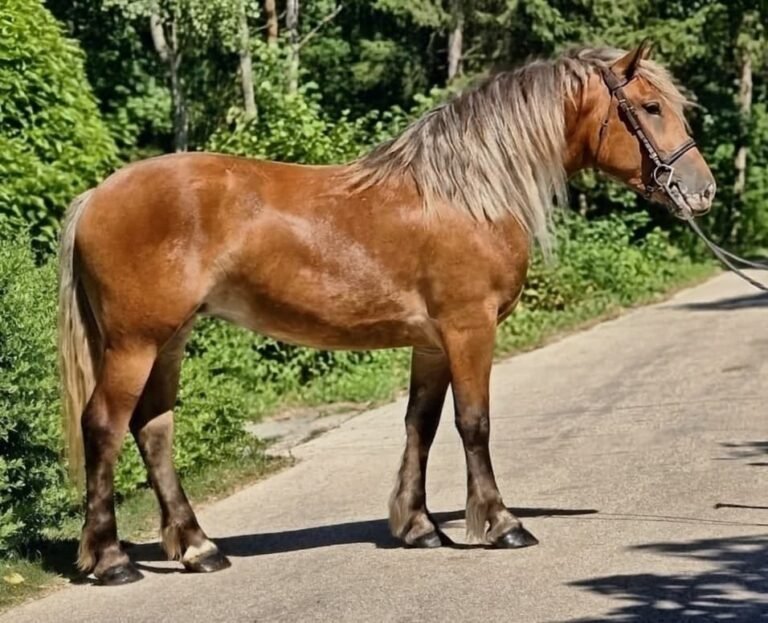 Dressage Horse
 Dressage Horse
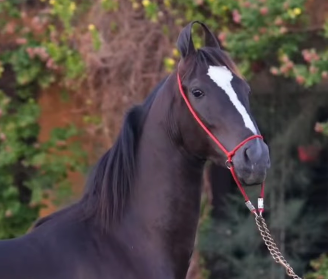 Marwari Horse