

Introduction

Foothold, growth, and gait start with the footing beneath a horse’s feet. For Marwari and Kathiawari horses—two dynamic Indian breeds bred to thrive in diverse landscapes—the seasons bring notable shifts in soil moisture, surface texture, and workload. A climate-aware approach to hoof care means tailoring farrier visits and trimming intervals to the realities of arid summers and heavy monsoons, rather than applying a one-size-fits-all schedule. This piece offers practical, season-aware guidance for owners, riders, breeders, and stud farms aiming to keep hooves healthy, maximize performance, and reduce the risk of overgrowth or moisture-related challenges.
Why climate matters for Marwari and Kathiawari hoof care
In India’s arid zones, hoof surfaces can dry and harden, while monsoon-drenched regions can become soft, muddy, and prone to packing. The Marwari and Kathiawari—known for their endurance and adaptability—often work across varied terrains: sandy flats, stony tracks, and clay-heavy fields. Each environment interacts with seasonal moisture to influence hoof growth, wall integrity, and the sole’s ability to shed debris. A well-timed trimming and maintenance plan helps the hoof maintain balance, traction, and comfort across the year. For readers seeking compatible sources of stock or marketplace connections, relevant listings can be explored at Browse horses, or you can learn more about breeding and stud availability at Explore stud farms. If you’re new to IETA, consider a visit at Visit IETA for resources and listings.
Tailoring trimming intervals: a practical framework
Baseline intervals in a year-round plan
Hoof trimming frequency should be viewed as a flexible guideline rather than a fixed rule. As a starting point, consider the following season-responsive framework:
- Dry/arid months (rough surfaces, dusty conditions): aim for trimming or corrective work every 6–8 weeks to prevent excessive wall growth and maintain balance.
- Monsoon/slick or muddy periods: expect 4–6 week intervals when ground conditions are soft or the hoof accumulates more debris and moisture, which can alter weight distribution.
- Transitional periods (post-monsoon to winter): 5–7 weeks can be effective as surfaces firm up and moisture recedes.
These ranges are starting points. The actual interval should be adjusted based on each horse’s hoof growth rate, conformation, workload, and the surfaces it travels daily.
Factors to monitor between trims
- Hoof wall integrity: cracking, flaring, or thinning area near the toe or heel.
- Sole texture and concavity: a persistently hard or sunken sole can signal uneven weight distribution.
- Toe and heel balance: look for drift or lameness cues that may indicate imbalance.
- Moisture-related changes: in wet seasons, check for soft walls or excessive mud packing; in dry seasons, watch for surface cracks or overly hard rims.
Monitoring tools and practical steps
Keep a simple hoof-growth log for each horse, noting the date, trimming length removed (rough estimate is fine), and any notable surface or gait changes. A quick before/after photo comparison helps you and your farrier judge whether the interval is working. If possible, schedule trimming with a single reliable farrier to keep assessment consistent across the year.
Engage with local peers and breed networks to share feedback on seasonal schedules. For example, Marwari breeders who work across arid plains may have insights about timing around peak heat, while Kathiawari handlers in coastal plains may emphasize drainage and mud management.
Seasonal strategies for Marwari and Kathiawari
Arid summer (rough, dusty, high heat: roughly March–June)
Surface hardness increases growth rate in many cases, but the risk is cracking if the hoof dries rapidly after work. Maintain a conservative trimming window and ensure dry, clean turnout areas. Consider bolstering routine hoof picking and dirt removal after rides on hard tracks. If the horse works on stony ground, longer toe length can help reduce breakover stress, but avoid compromising traction on dry, dusty surfaces. A predictable schedule—around every 6–8 weeks—helps keep balance in hot months.
Monsoon season (June–September)
Moisture-rich mud and soft soils demand attention to wall and sole health. Heavy packing can lead to uneven wear, increased fatigue on the sole, and sensitivity along the sole. Aim for more frequent checks and tampering to prevent energy loss from an imbalanced hoof. Keep the hooves clean and dry between sessions, and consider quick washes after wet work if practical. A 4–6 week cadence is a sensible starting point during heavy rain months for many horses, adjusted by prior growth and surface conditions.
Post-monsoon and early winter (October–December)
Surface consistency improves, but sudden temperature shifts can stress hoof tissue. Reassess growth rates with the return to firmer ground, and adjust intervals toward 5–7 weeks if the hoof shows consistent daily growth but balanced wear. This period can also be a good time for minor reshaping to restore balance after the wet season’s packing and erosion.
Winter and cooler months (December–February)
Hoof growth may slow with lower activity and cooler weather. A middle-ground interval around 6–8 weeks often works, but monitor for changes in wall texture (dryness or cracking) and sole fatigue from cold conditions or gymnasium-like workouts during training blocks. Keep surfaces clean and provide good drainage in turnout or stabling areas to prevent excessive moisture exposure when temperatures rise during the day.
Implementation plan and actionable guidance
Putting theory into practice requires a simple, repeatable routine you can follow with your farrier and stable staff.
- <strongCreate a seasonal calendar: map the year into arid, monsoon, post-monsoon, and winter blocks. Schedule farrier visits at the beginning of each block, with the option to adjust by 1–2 weeks based on growth checks.
- <strongKeep a hoof-growth log for each horse: record dates, approximate millimetres of growth removed, and any notes on texture, balance, or gait changes. Use this log to fine-tune intervals over time.
- <strongInspect and clean daily: quick hoof picks after rides, especially during monsoon and after muddy work. Clean hooves reduce the chance of packed mud causing lameness and allow more accurate growth assessment at trims.
- <strongPlan ahead for surfaces: maintain good drainage in paddocks and stables; consider soft turnout days when ground is overly wet. This reduces abrasive wear and helps maintain a consistent trim length.
- <strongCoordinate with a reliable farrier partner: a stable schedule with one or two trusted farriers improves consistency in balance checks and corrective work when needed.
For owners looking to connect with breeding and equine marketplaces, consider browsing available Marwari and Kathiawari horses at Browse horses, or explore breeding opportunities via Explore stud farms. For general marketplace resources, a visit to Visit IETA is helpful.
Practical checklist for climate-adapted hoof care
- Seasonal trimming cadence: adjust every 4–8 weeks based on season and growth.
- Daily hoof checks: look for cracks, flares, or uneven wear; track any gait changes.
- Moisture management: ensure clean, well-drained turnout; dry surfaces after wet work.
- Record-keeping: maintain a simple growth log with dates and observations.
- Farrier collaboration: establish a regular partner with a clear plan for seasonal adjustments.
Conclusion
Hoof care is a year-round conversation between climate, terrain, and workload. For Marwari and Kathiawari horses navigating India’s arid summers and monsoon seasons, climate-adapted trimming intervals offer a practical way to support sound locomotion, comfortable movement, and steady performance. Start with a flexible framework, monitor growth and wear, and adjust as your horses reveal how their hooves respond to changing conditions. A rhythm based on season, not just calendar months, will help you keep these remarkable breeds confident on every mile of road they travel.
FAQ
Q1: What is climate-adapted hoof care?
A1: It’s tailoring trimming intervals and farrier visits to seasonal moisture, soil conditions, and workload so hooves remain balanced and healthy throughout the year.
Q2: How often should Marwari and Kathiawari hooves be trimmed in dry vs wet seasons?
A2: Dry/arid periods commonly use a 6–8 week cadence, while monsoon or very wet periods may require 4–6 weeks, with adjustments based on growth and wear.
Q3: What signs indicate more frequent trimming is needed?
A3: Noticeable hoof wall cracking or flaring, uneven wear, toe dragging, or changes in gait that persist after work suggests reassessment of interval length and balance.
Q4: How can owners support hoof health between trims?
A4: Keep stalls clean and dry, provide well-drained turnout, pick hooves after rides, and maintain consistent farrier collaboration to respond quickly to any changes in hoof structure or movement.
Explore India’s Equine Marketplace
Discover horses, stallions, stud farms and trusted equine services on IETA.

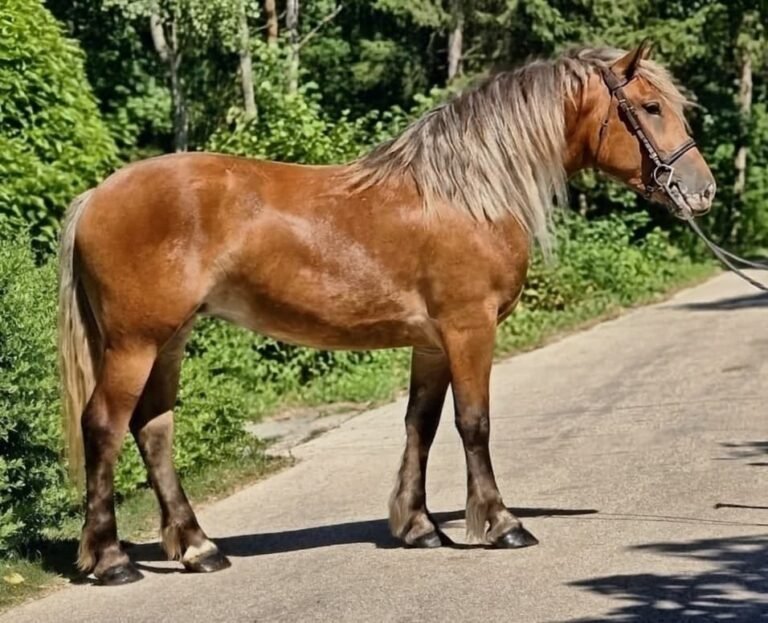 Dressage Horse
 Dressage Horse
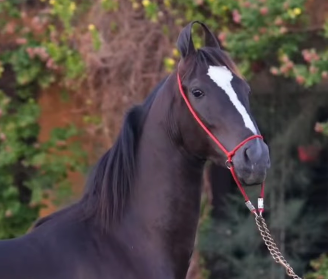 Marwari Horse