


Introduction

Turnout paddocks form the daily stage on any Indian stud farm. They influence a horse’s comfort, turnout efficiency, and overall health as seasons shift from monsoon to heat and back again. Designing paddocks that are modular, climate-resilient, and easy to adapt means you can protect your stock through heavy rains, punishing sun, and the occasional cold snap without being locked into a single layout for years. This practical guide outlines simple, scalable steps for shade, drainage, water security, and parasite control that work across seasons and farm sizes. For broader context on farm facilities and connections to the wider equine network, explore Explore stud farms and keep an eye on stallion listings at View stallions. You can also Visit IETA for resources and updates, or learn about the Vendor program that supports on-farm infrastructure with practical products.
Design principles for modular paddocks
The core of modular design is flexibility. A stud farm gains resilience when paddocks can be divided, reconfigured, and repurposed with minimal tools and downtime. Start with a simple grid: three or four paddocks that can be opened into larger grazing zones or closed off to reduce stocking density during rain or heat waves. Key elements to incorporate include durable fencing that is quick to rearrange, portable shelters, and water points that are not tied to a single corner. A well-thought-out modular plan also anticipates repairs and seasonal changes, so you can swap in shade structures, drainage channels, or extra water storage without a full rebuild.
Shade as a staple, not an afterthought
Stable shade reduces heat stress during hot months and moderates microclimates during the monsoon. A mix of mature trees, where feasible, and lightweight shade structures gives you options as tree roots evolve and weather patterns shift. Place shade to protect feed and water points from direct sun but avoid creating damp, stagnant corners. Orientation matters: situate primary shade opposite prevailing winds in summer to promote airflow and minimize wind-driven rain splash into paddocks. Use mobile shade panels or canvas canopies for quick adjustments after monsoon sessions or sudden temperature spikes.
Drainage and soil health
Clayey Indian soils can become slick in monsoon downpours. A sound drainage plan prevents mud, reduces hoof wear, and keeps paddocks usable through wet seasons. Strategies include cross-slope drainage to steer runoff away from feeding and watering zones, raised paddock surfaces where feasible, and a shallow, well-graded sub-base (crushed stone or gravel) beneath a permeable surface. Consider geotextile fabrics to separate soil from the sub-base, and install visible drainage channels at the paddock edges that can be cleared quickly after heavy rain. A compact, well-draining surface keeps footing reliable for mares in late gestation and stallions during stallions’ routines alike.
Water security across seasons
Water is life in Indian paddocks. A robust water plan includes multiple sources, redundancy, and clean delivery. Install gravity-fed or pressurized lines to ensure troughs stay full even if one pump fails. Use float-valve troughs to reduce wastage and debris filters to keep water clean. Where rainfall is reliable, harvest rainwater in tanks or cisterns and connect to the paddock system with contingency routing. Plan for winter and summer peaks: larger storage capacity ahead of hotter months, and mobile or temporary water points during peak rainfall when paddock access shifts due to flooding risk.
Parasite control and pasture hygiene across seasons
Parasite pressure follows seasonality: warmer, wetter months often bring higher challenges. Design paddocks to support dung removal and rest periods, rotate grazing to prevent overuse of a single patch, and keep paddocks clean of manure and damp accumulations. A modular layout makes dung-free paddocks available for younger horses or for mares near foaling. Collaborate with your veterinarian on parasite monitoring and targeted recommendations, but build a routine of regular manure removal and pasture rest to reduce exposure. Quick-access drying areas and windward drainage help create drier micro-sites where parasites struggle to persist.
Seasonal planning and practical layouts
India’s seasons demand flexibility. For monsoon months, emphasize raised surfaces, robust drainage, and shade that doesn’t trap standing water. In hot, dry periods, enhance breeze pathways and ensure ample water access. A practical seasonal plan might mean:
- Quarterly reassessment of shade coverage and wind flow.
- Routine replacement or repositioning of portable shelters to match sun angles.
- Temporary paddock closures during peak monsoon weeks to protect feed and water stations.
- Scheduled dung removal rotations to maintain paddock hygiene and curb parasite pressures.
Implementation checklist
- Survey your site for slope, drainage, soil type, and water sources.
- Define a modular paddock grid with at least 3–4 units that can be opened or partitioned.
- Plan shade strategies—trees where appropriate and lightweight shelters that can be moved.
- Install cross-slope drainage channels or shallow ditches and ensure outlets lead away from feed and water points.
- Set up reliable water storage and distribution: tanks, float-valve troughs, and gravity-fed lines where possible.
- Create a dung-removal and pasture rest schedule that aligns with horse turnover and grazing intensity.
- Maintain accessible paths and clear signage for easy paddock switching and emergency closures.
- Facilitate ongoing learning and inspiration by exploring broader resources at IETA and relevant listings like Explore stud farms and View stallions.
Practical layouts and phased development
Begin with a core paddock set: a main turnout, a shaded resting area, a water hub, and a dung-clean zone. As budgets and permissions evolve, add a second set of micro-paddocks that can be opened for split-grazing or rotated grazing. The modularity allows you to experiment with different shade configurations and drainage patterns without overhauling your entire system. If you’re more deeply integrated with the IETA community, you may find additional resources or equipment through the Vendor program that supports on-farm improvements.
Seasonal maintenance and quick wins
Seasonality should drive maintenance priorities. In monsoon months, verify drainage outlets after heavy rain, inspect shade structures for water pooling, and ensure feed areas remain dry. In summer, check water lines and trough cleanliness daily, prune tree shade to maintain airflow, and move shelters to optimize shade on feeding zones. In winter, ensure windbreaks are intact and paddocks remain accessible to prevent overstocking in chilly mornings. Quick wins include portable shade deployments for sudden heat spikes, removable surface mats in muddy zones, and a simple rotation map for paddock usage that minimizes parasite buildup.
Conclusion
Designing modular, climate-resilient turnout paddocks is about foresight, practicality, and adaptability. With a well-planned shading strategy, robust drainage, reliable water security, and thoughtful parasite control across seasons, Indian stud farms can maintain high levels of horse welfare and operational efficiency. Start small, test a layout during a season, and adjust as you learn what works on your land. For ongoing inspiration and connections to fellow farm managers, consider browsing Explore stud farms, checking stallion listings at View stallions, and staying engaged with the broader IETA community at Visit IETA.
FAQ
Q1: What makes a turnout paddock modular and climate-resilient?
A modular, climate-resilient paddock is one that can be divided into micro-paddocks, reconfigured quickly, and supports shade, drainage, water security, and parasite control across seasons. It emphasizes simple, durable components and flexible layouts rather than a fixed, single-function design.
Q2: How should shading be implemented for Indian summers and monsoons?
Use a mix of mature trees where feasible and lightweight, movable shade structures. Position shade to promote airflow and avoid water accumulation, and adjust as monsoon patterns shift. Prioritize shading near feeding and water points without creating damp corners.
Q3: What drainage strategies are practical for heavy rains?
Implement cross-slope drainage to move water away from paddocks, add raised surfaces where possible, and install shallow ditches or channels with easy clearing access. A permeable surface with a stable sub-base reduces mud and hoof wear while keeping paddocks usable after rain.
Q4: How can I ensure year-round water security?
Establish multiple water sources (tanks, troughs, and supply lines), use float-valve troughs to prevent overflow, and consider rainwater harvesting. Design lines so that a single failure doesn’t compromise all paddocks, and position water points to minimize crowding and waste.
Explore India’s Equine Marketplace
Discover horses, stallions, stud farms and trusted equine services on IETA.
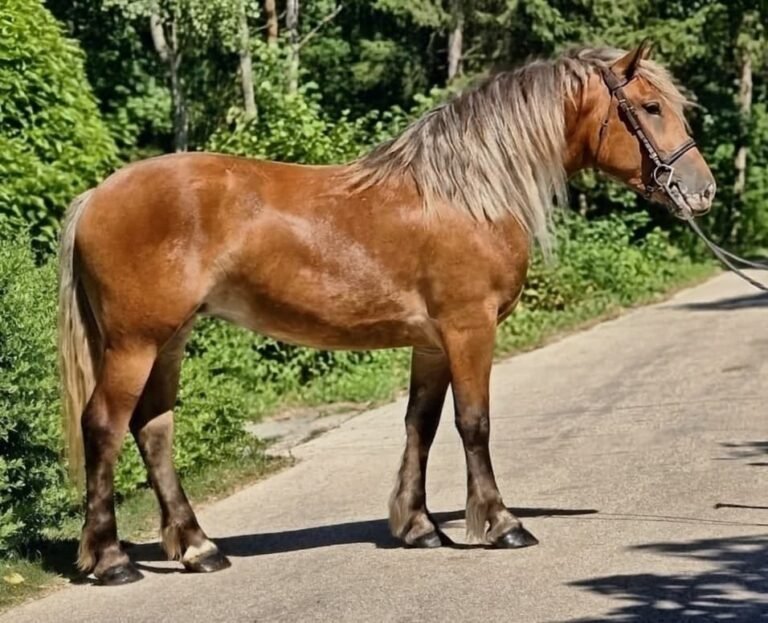 Dressage Horse
 Dressage Horse
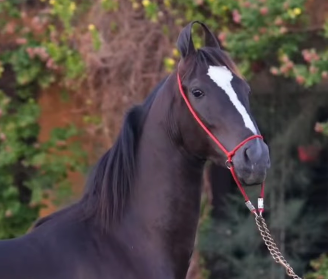 Marwari Horse