


Introduction: A practical path to comfortable stables without breaking the bank

Across India’s diverse climates, good stable air quality and comfortable temperatures are essential for horse welfare. High humidity, stagnant air, and ammonia from urine can contribute to respiratory irritation and damp bedding. The good news is that you can achieve meaningful climate improvements using low-cost, locally available materials and straightforward, DIY-friendly principles. This guide walks you through a practical retrofit plan focused on passive ventilation, moisture management, shade, and ammonia reduction—designed for owners, riders, breeders, and stud farms across India.
Why climate control matters in Indian stables
Indian stables often face three intertwined challenges: heat and humidity, moisture-laden walls and bedding, and ammonia buildup from urine. Each factor affects stall cleanliness, horse comfort, and even daily training schedules. Passive strategies—relying on wind flow and shade rather than expensive equipment—can deliver consistent benefits with lower running costs. By improving ventilation, you reduce humidity and odor, while better moisture management protects walls and bedding. Shade and reflective roofing help keep daytime temperatures reasonable, and thoughtful bedding and managment practices curb ammonia levels at the source.
A practical step-by-step retrofit plan
1) Map your space and set simple targets
Start with a quick walk-through of each stall. Note prevailing wind directions, roof height, openings (doors, windows, existing vents), and drainage around the stable. Set modest, measurable targets: improve air exchange between stalls, reduce surface dampness on walls, and create shaded areas during the hottest hours. Document the stable’s current moisture spots and odor-prone zones so you can focus improvements where they’ll matter most.
2) Create and optimize cross-ventilation
Ventilation is the backbone of a healthy stable. Use a mix of passive provisions to encourage air movement through the structure without relying on electricity.
– Ridge and eave vents: If your roof permits, leave a low-level vent at the eaves and a perforated ridge or ventilated cap at the top to support a steady air-escape route.
– Side openings and hinged panels: Add or enlarge openings on opposite walls at horse head height to encourage cross-ventilation. Use inexpensive hinged panels or breathable screens to keep insects out while allowing air flow.
– Shade integration near vents: Position shade where the breeze enters to avoid hot stagnant air pockets near the top corners. A light-painted roof (or reflective coating) can also help reduce heat gain and encourage air movement by keeping roof temps lower.
Tip: Use local bamboo frames or wood slats to frame vents and keep costs down; ensure gaps are screened to prevent debris and insects.
3) Moisture management: damp-proofing and drainage
Moisture is a hidden enemy that undermines stability and bedding life. Implement simple, durable steps:
– Sloped floors and drainage: Ensure stalls slope slightly toward a drainage gutter or consolidating trench so water and urine runoff move away from bedding. If necessary, regrade a small area to support drainage.
– Guttering and downpipes: Install basic gutters along the roofline to channel rainwater away from the walls and doors. Use locally available PVC or metal piping; secure with simple brackets.
– Damp-proofing: For wall surfaces prone to dampness, consider lime wash or cement plaster with a breathable finish to reduce capillary moisture. Maintain a coat every monsoon or as needed.
– Bedding and moisture control: Choose bedding that soaks up moisture (wood shavings, straw, or rice husk where available) and ensure regular removal and replacement. A routine cleaning cycle reduces surface damp and odor buildup.
4) Shade and temperature moderation
Shade is a cost-effective ally against overheating. Implement a combination of natural shade and reflective surfaces:
– Shade trees and trellises: Plant shade trees around the stable’s perimeter and install shade cloth or bamboo screens over exposed roofing portions. Trees improve microclimate and can be integrated into pasture design.
– Reflective or lighter roofing: If repainting or re-roofing is feasible, use light colors or reflective coatings to lower heat absorption.
– Roof overhangs and ventilated attics: Extend eaves to provide shading on walls and reduce direct solar gain. Consider a breathable attic or ventilated loft space where feasible to release hot air first thing in the morning before horses are turned out.
5) Reducing ammonia: bedding, cleaning, and air quality
Ammonia originates mainly from urine; reducing its concentration improves air quality and horse comfort. Practical, low-cost actions include:
– Partial enclosure of stalls with high-turnover cleaning: Maintain clean, dry bedding with regular removal of soiled material. Frequent stall cleaning lowers ammonia release from urine in contact with bedding.
– Bedding choice and management: Use bedding materials with good moisture absorption and drainage (where available locally). Layer bedding to promote dryness at the surface while promoting airflow underneath.
– Lime wash as a surface treatment: A light lime wash on stall walls can help neutralize some airborne ammonia and reduce damp, but ensure it is breathable and non-toxic for horses.
– Vent space around urine zones: Focus ventilation in areas where urine pooling is most common to expedite air exchange near ammonia sources.
Materials and materials list: locally available options
One of the big advantages of this retrofit is that you can source most materials locally and often at low cost. Consider these options:
– Ventilation components: Bamboo, wooden frames, simple hinges, and mesh screens. Use insect-resistant netting for screens.
– Shade and roof materials: Shade cloth, treated tarpaulins, bamboo mats, light-colored paint or lime plaster for walls, and reflective roofing sheets if new installation is possible.
– Drainage and gutters: PVC or metal piping, simple brackets, and gravel for trench beds.
– Wall finishing: Lime wash or breathable plaster for damp control; avoid non-breathable sealants that trap moisture.
– Bedding: Readily available organic bedding materials such as wood shavings, straw, or rice husk in pockets where they are accessible.
Remember, the aim is to keep things simple, durable, and easy to repair with locally available resources.
A practical implementation checklist
- Survey wind patterns and mark ideal vent positions on walls and roof.
- Install or enlarge eave vents and a ridge or top-vent to encourage vertical air movement.
- Create cross-ventilation openings on opposite walls at horse head height.
- Improve drainage: slope floors, install gutters, and direct runoff away from bedding zones.
- Apply breathable damp-proofing to damp-prone walls (lime wash or breathable plaster).
- Introduce shade: plant trees, install shade nets, or use light reflectives on roofs.
- Adjust bedding routines and consider suitable local bedding materials for moisture absorption.
- Maintain a regular stall-cleaning schedule to minimize ammonia and dampness.
- Monitor and adjust: observe horse comfort, air flow, and bedding moisture; refine openings as needed.
- Connect with your local equine community or marketplace for additional guidance and compatible supplies at Visit IETA.
Resources and further reading
For broader market access and regional examples, you can explore listings and profiles of horses and stud farms that often feature barns and facilities with practical, budget-conscious upgrades. A good starting point is to browse our marketplace pages to see real-world stable setups and fabrications from across the country. You can also discover more about Indian stud farms and stallion options here: Browse horses, Explore stud farms, View stallions.
For general IETA resources and publications, visit our main site at Visit IETA.
FAQ
1) Why choose passive ventilation over mechanical systems?
Passive ventilation relies on natural wind flow and thermal buoyancy to exchange air, reducing energy use and maintenance costs. It provides a steady baseline of air exchange without the ongoing electricity requirements of fans or ducted systems.
2) What are the best locally available materials for shade and ventilation in India?
Local bamboo, timber, shade nets, tarpaulins, lime wash, and light-colored roofing sheets are common, affordable options. Planting shade trees around the stable also contributes to cooling and airflow over time.
3) How long does a retrofit typically take and what about costs?
Times vary with stable size and current condition. A small to medium stable can see meaningful improvements in a few days to a couple of weeks with phased work. Costs hinge on materials chosen, but the guide’s emphasis is on low-cost, DIY-friendly options using local resources.
4) Will these changes affect horse comfort in the monsoon?
Yes. Better ventilation and moisture control reduce dampness and heat buildup, while shade mitigates solar gain. Proper drainage and bedding practices further enhance comfort during the monsoon months.
Conclusion
A budget-friendly retrofit for Indian stables is achievable with thoughtful planning and locally sourced materials. By prioritizing passive ventilation, moisture management, shade, and ammonia reduction, you can create a more comfortable, healthier environment for your horses without large capital outlays. Start with a simple assessment, implement small, scalable changes, and build from there. For ongoing inspiration and practical sourcing, explore the broader marketplace and resources available through your network and within the IETA platform.
Explore India’s Equine Marketplace
Discover horses, stallions, stud farms and trusted equine services on IETA.
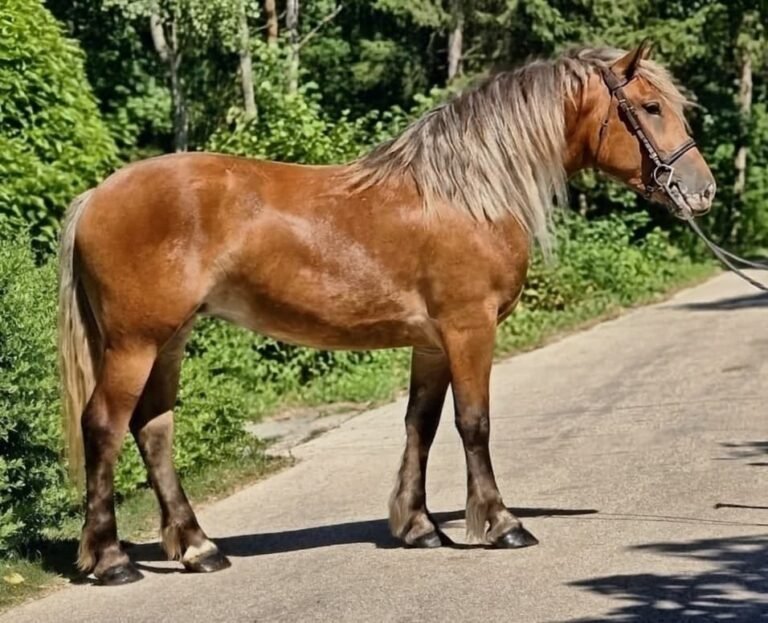 Dressage Horse
 Dressage Horse
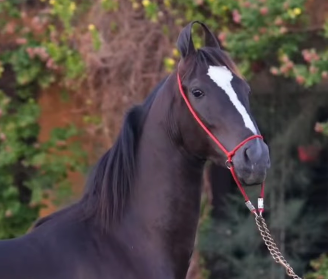 Marwari Horse