

Introduction

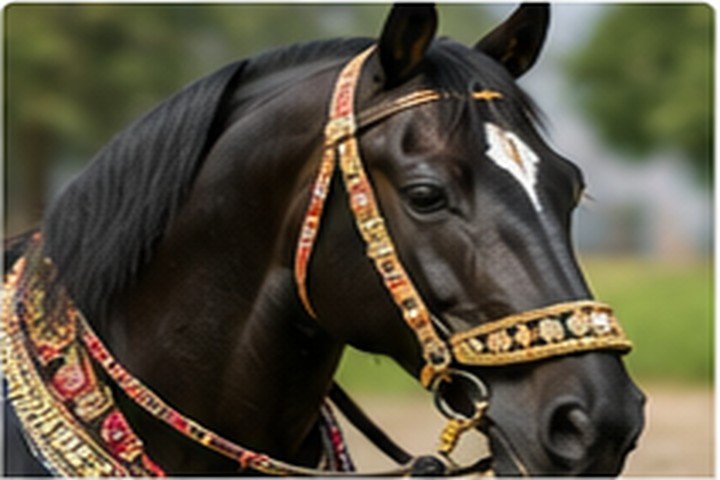
Across India, Marwari and Kathiawari horses carry centuries of history, endurance, and distinctive traits that set them apart in breeding programs and marketplaces. Yet, buyers increasingly demand verifiable lineage and breed identity, while breeders and studs seek reliable, cost-efficient ways to protect and promote these landraces. A low-cost, community-based DNA‑based parentage verification and breed‑traceability program offers a practical path forward. This guide lays out a concrete, on-the-ground approach for breeders, studs, and buyers to collaborate, pool resources, and implement a transparent system that builds confidence without creating prohibitive expenses.
Take this as a road map you can adapt to local conditions. It emphasizes simplicity, shared responsibilities, and a clear value proposition for all participants in the Indian equine marketplace, including buyers who want traceable pedigrees and sellers who can demonstrate breed authenticity. The goal is not to replace veterinary and traditional evaluations, but to complement them with verifiable genetic data that supports responsible breeding decisions.
For context and options as you begin, you may also explore related listings and partnerships on the market platform, such as Explore stud farms and Browse horses.
Why a DNA-based program matters for Indian landraces
Genetic parentage verification and breed-traceability address several practical realities for Marwari and Kathiawari breeders:
- Protecting breed identity in a growing market where cross-breeding and misrepresentation can dilute desirable traits.
- Providing buyers with verifiable information about foal and yearling lineage, which supports fair pricing and informed purchasing decisions.
- Enabling breeders to track genetic diversity, avoid inbreeding, and make better mate choices within tighter community controls.
- Creating a transparent framework that can be scaled over time as resources grow and new partners join.
It is important to set realistic expectations: a DNA-based system is a tool that improves traceability and accountability, not a replacement for clinical veterinary care or sound breeding ethics. The strength of a community program lies in shared governance, clear data handling, and practical workflows that keep costs accessible for small and medium breeders.
A practical, low-cost, community-based model
Implementing a sustainable program hinges on simplification, collaboration, and phased rollout. Below is a pragmatic framework you can adapt to your region and resources.
Step 1 — Define scope, goals, and governance
Agree on what will be verified and traced. Typical scope includes:
- Foal parentage verification (dam and sire can be confirmed for each foal).
- Maternal/paternal line confirmation where possible.
- Breed-traceability markers to distinguish Marwari, Kathiawari, and potential cross-breeds within the community.
Establish a governance group comprising breeders, studs, a buyer representative, and a veterinarian advisor. Formalize roles (sample collection lead, data custodian, finance liaison, liaison with any testing lab) and a simple code of conduct to safeguard data privacy and fairness.
Step 2 — Build the network and partnerships
Form a lightweight consortium. Pool resources for shared testing services, sample collection kits, and data management. Seek partnerships with a cost-efficient laboratory or genetic testing service that provides standard parentage panels, ideally with scalable pricing for members. A single credible partner reduces variability and keeps costs predictable.
Step 3 — Create a simple, on-farm sample collection workflow
The on-farm workflow should be straightforward to train and repeat:
- Collect DNA samples using non-invasive cheek swabs or hair follicles with roots, following a consistent labeling system (unique horse ID, date, breeder, dam, sire).
- Maintain a chain of custody record for each sample (who collected, where, when).
- Ship samples to the chosen lab in batch shipments to reduce costs.
Provide basic training to farm staff and ensure you have a standard operating procedure (SOP) document that is easy to follow for all participating studs and breeders.
Step 4 — Data management and privacy
Use a shared, access-controlled database or spreadsheet that records: horse ID, dam, sire, foaling date, test results, and the test date. Only authorized participants should view or edit data. Define data retention practices and how long records remain available to buyers and breeders. Build a simple reporting routine so buyers can easily verify a horse’s lineage during sale or purchase.
Step 5 — Cost model and budgeting
Costs can be minimized through economies of scale and shared resources. Consider a basic model that includes:
- Annual membership or participation fee to cover governance and coordination.
- Per-test fee shared among members, with a cap to keep it affordable (for example, a tiered rate based on the number of foals tested).
- Batching samples to reduce shipping and lab processing costs.
Transparent budgeting and regular financial reporting help maintain trust within the community and with buyers who rely on the program for provenance checks.
Step 6 — Timeline and milestones
Phase 1: Pilot in one or two communities, testing 5–10 foals. Phase 2: Expand to additional studs, add maternal line checks, and begin broader breed tracing. Phase 3: Establish ongoing maintenance, periodic audits, and a buyer-facing report format that can be printed or shared online.
Step 7 — Build breed-traceability alongside parentage
Assign a unique breed-traceability identifier to each horse, linked to DNA results. This identifier should travel with the horse through sales and transfers, and be accessible to buyers via a concise pedigree report. Emphasize breed-identity markers rather than guessing lineage when information is incomplete.
On-farm workflow, buyer transparency, and practical tips
To help you operationalize the plan, here are practical tips for day-to-day operations and buyer communications.
- Start with a core group of committed breeders who share a common goal and a clear code of ethics.
- Use a single, trusted lab for consistency in results and interpretation.
- Provide buyers with a concise, easy-to-read report that includes the DNA confirmation, breed markers, and lineage notes.
- Offer optional add-ons such as DNA-based lineage certificates for trusted animals, to differentiate high-integrity stock.
- Regularly review and refresh SOPs as you learn from each cohort of foals and new members join.
Community credibility matters. Communicate clearly with buyers about what the DNA results can and cannot confirm, and ensure you have a straightforward process for addressing questions or discrepancies.
Implementation checklist
- Agree on scope, goals, and governance within the community.
- Identify a partner laboratory and establish pricing terms for members.
- Put in place SOPs for sample collection, labeling, and chain of custody.
- Set up a simple data management system with access controls.
- Launch a pilot with a small cohort of foals and breeders.
- Publish buyer-facing reports and a summary of results for transparency.
- Review progress after the pilot and plan the next phase for expansion.
Internal links you may find helpful as you start your journey include Explore stud farms and Browse horses. For more information about the marketplace and vendor opportunities, visit Visit IETA.
Expected outcomes and practical caveats
In a well-implemented, low-cost, community-driven program, you can expect:
- Improved buyer confidence through verifiable parentage and breed-traceability data.
- A framework for responsible breeding decisions that helps maintain genetic diversity within Marwari and Kathiawari populations.
- Reduced risk of misrepresentation in sales through documented lineage checks.
However, keep expectations measured. DNA results are powerful when used alongside traditional evaluations, such as veterinary health checks, conformation assessments, and performance records. Data privacy, fair access to testing, and clear governance are essential to avoid disputes and maintain trust among breeders and buyers.
Resources and next steps
Begin with a small, committed core and gradually broaden participation. Document early lessons, track costs, and keep communications open with buyers who are likely to value a transparent lineage narrative. If you want to explore further platform relevance, consider how breeders and buyers engage with listings on IETA and related pages such as Browse horses and Explore stud farms.
FAQ
What is DNA-based parentage verification and how does it work for Indian landraces?
DNA-based parentage verification compares genetic markers from foals with those of their stated dam and sire to confirm or refute stated parentage. For Marwari and Kathiawari horses, a standardized, cost-conscious panel can confirm basic parentage and help build a traceability record, without requiring extensive or expensive testing. Results are used alongside physical assessments to support breeding decisions and buyer assurance.
How can small breeders manage costs in a community program?
Costs are reduced through shared labs, batch testing, and pooled resources. A simple membership model combined with per-test fees that scale with group size keeps prices predictable. Clear governance, transparent reporting, and a phased rollout help ensure the program remains affordable as it grows.
What samples are needed and how are they collected?
Most programs use cheek swabs or hair follicles with roots. Collectors should use standardized labeling, record the horse’s unique ID and date, and follow an SOP to ensure sample integrity and traceability. Training for farm staff is essential to minimize handling mistakes.
How do you ensure data privacy and prevent misuse?
Access to the data should be restricted to authorized participants (breeders, stud managers, and the governance group). Maintain a clear data retention policy and audit trails for changes. Communicate openly with buyers about what data is stored and how it is used, and avoid sharing sensitive information without consent.
Explore India’s Equine Marketplace
Discover horses, stallions, stud farms and trusted equine services on IETA.

 Dressage Horse
 Dressage Horse
 Marwari Horse