

Breeding soundness in Indian stud farms hinges on practical, repeatable processes that combine on-farm observations with trusted veterinary partnerships. A farm-based Breeding Soundness Evaluation (BSE) workflow helps you identify fertility risks early, optimize mating plans, and safeguard both mare and stallion welfare. This guide lays out low-cost protocols, builds reliable partner networks, and establishes systematic record-keeping so you can breed with confidence across generations.
Foundations of a farm-based BSE workflow
Clear objectives
Begin with the end in mind: improve pregnancy rates, reduce non-productive breedings, and maintain stallion health. Document targets for each breeding season (e.g., a minimum number of proven breedings per stallion, acceptable mare fertility indicators, and timely pregnancy confirmation). Align these goals with your farm’s resources and market plans. For stallion profiles and breeding options, you can View stallions or Explore stud farms.
Roles on the farm
Assign a small team: a farm manager to coordinate scheduling, a dedicated data keeper to maintain records, and a veterinarian or veterinary technician as the on-site or partner expert. Establish a single point of contact for vet communications to keep information consistent and actionable.
Low-cost BSE protocols that work on Indian stud farms
Pre-breeding screening and history
Start with mare history and general health checks. Gather data on prior pregnancies, reproductive issues, vaccination status, and any illnesses that could affect fertility. A healthy mare is a prerequisite for meaningful BSE results in stallions. Maintain a simple mare file for each animal and link it to the mating calendar.
On-farm physical exam and reproductive cues
For stallions, perform a basic physical assessment focused on body condition, gait, and signs of pain or discomfort. Conduct a non-invasive scrotal check using a measuring tape and note testicular symmetry, temperature, and any swelling. Observe libido and mounting behavior, documenting responses during teasing or breeding readiness checks. For mares, perform routine health checks and assess signs of estrus in the context of breeding plans.
Basic semen collection plan and referral
Plan a low-cost, stepwise approach to semen collection. Use a basic on-farm setup (training stallion to mount, simple collection method) and arrange for semen analysis through a partner clinic or university lab when possible. For detailed semen quality assessment (motility, morphology), rely on your veterinary partner and record the results in the central file. Keep a clear log of collection dates, ejaculate appearance, and any handling notes.
Record-keeping of BSE outcomes
Centralize data for each stallion and each breeding cycle. Fields to capture include: stallion ID, date, examiner, exam findings, semen collection details (if applicable), mare ID, breeding date, pregnancy outcome, and any health/management notes. Use a common data rubric to ensure consistency across records, and back up data regularly. You can link to stallion profiles and related stud information here: View stallions and Browse horses.
Building a partner veterinary network
Mapping and outreach
Identify nearby equine veterinarians and clinics with experience in reproduction. Prepare a simple one-page proposal outlining the on-farm BSE workflow, expected benefits, and a cost-sharing plan. Reach out to clinics for short-term collaboration and longer-term MOUs if possible. Exchange contact details and set up a convenient referral route for semen analysis, ultrasound checks, and pregnancy diagnosis.
Service models and visits
Establish a schedule for quarterly BSE clinics on-farm or at a partner clinic, along with emergency access for urgent cases. Use teleconsultations for interim guidance when in-person visits aren’t feasible. Ensure records are shared with consent and stored in your central system for seamless communication.
Vet cooperation and data sharing
Draft simple data-sharing guidelines that protect privacy yet enable meaningful collaboration. Coordinate with your vet to standardize reporting formats so BSE results, treatment plans, and breeding recommendations are easy to interpret by farm staff.
Systematic record-keeping for stallions and breeding mares
What to record
Stallion records: general health, BSE date, exam notes, semen collection details (when applicable), semen quality observations, breeding recommendations, and next due date for re-evaluation. Mare records: health status, estrous cycle observations, breeding attempts, pregnancy diagnoses, foaling outcomes, and any reproductive health notes. Create a shared file structure so different staff can enter data consistently.
Templates and data quality
Use consistent naming conventions, standard measurements where used (e.g., date formats, units), and regular backups. Periodically audit records for completeness and accuracy, and restrict editing permissions to designated staff to preserve data integrity.
Implementation plan: phased rollout
Phase 1 — Preparation
Identify goals, select initial stallions and mares for the pilot, map veterinary partners, and establish dataEntry templates. Prepare MOUs or service agreements if possible.
Phase 2 — Pilot
Run the BSE workflow with 1–2 stallions and 2–3 mares. Collect feedback, verify data quality, and adjust as needed. Train farm staff on data entry and basic signs of reproductive issues.
Phase 3 — Scale
Expand to all stallions and breeding mares. Schedule regular BSE checks, integrate records with breeding plans, and review performance metrics quarterly with your veterinary partner.
Practical farm setup checklist
- Assign a dedicated data keeper and a primary on-farm veterinary liaison
- Create a simple mare and stallion health file for every animal
- Establish a routine for pre-breeding checks and record all observations
- Set a predictable schedule for semen collection and partner lab visits
- Back up data monthly and review records quarterly
- Keep a clear breeding calendar with outcomes linked to each animal
- Foster a reliable veterinary network with practice-ready MOUs
- Incorporate internal links to broader resources: View stallions, Explore stud farms, Browse horses, and Visit IETA
FAQ
1) What is Breeding Soundness Evaluation (BSE) and why perform it on farm?
BSE is a structured assessment of a stallion’s fertility and breeding potential, considering health, reproductive tract status, and practical semen quality indicators. On-farm BSE helps identify risks early, informs mating decisions, and supports welfare. Always involve a veterinary partner for definitive testing and interpretation.
2) What low-cost protocols can Indian stud farms adopt for BSE?
Start with basic health checks, history reviews, and simple on-farm observations (body condition, behavior, signs of discomfort). Use a tape to measure scrotal dimensions and record libido indicators. Arrange for semen analysis through a partner clinic when feasible and document results in a central record.
3) How to build a reliable veterinary partner network?
Map local equine vets, approach clinics with a clear workflow proposal and potential MOUs, and set a regular visit schedule. Define data-sharing norms and designate a farm point of contact to streamline communication.
4) How should records be kept for stallions and mares?
Maintain a centralized, simple system with consistent fields for IDs, dates, exam notes, semen observations, pregnancy outcomes, and foaling results. Back up data regularly and ensure staff receive training on data entry and interpretation.
Explore India’s Equine Marketplace
Discover horses, stallions, stud farms and trusted equine services on IETA.

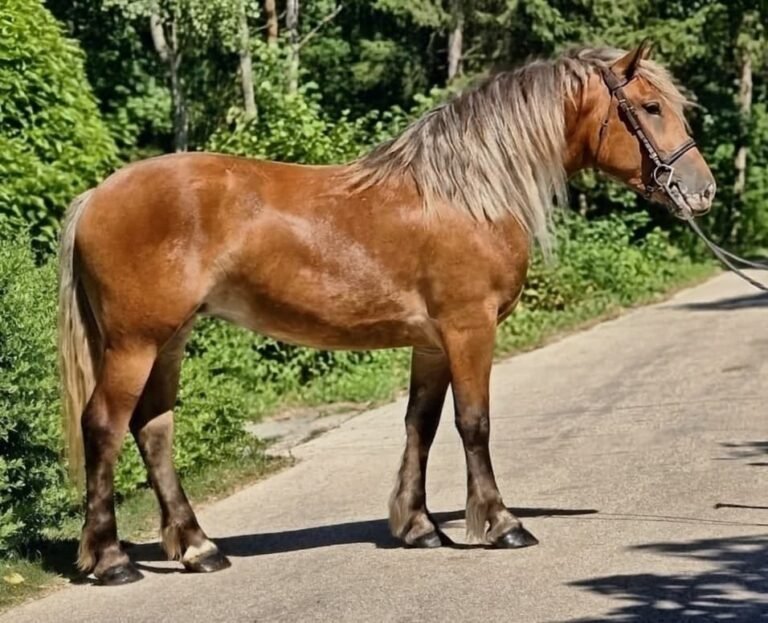 Dressage Horse
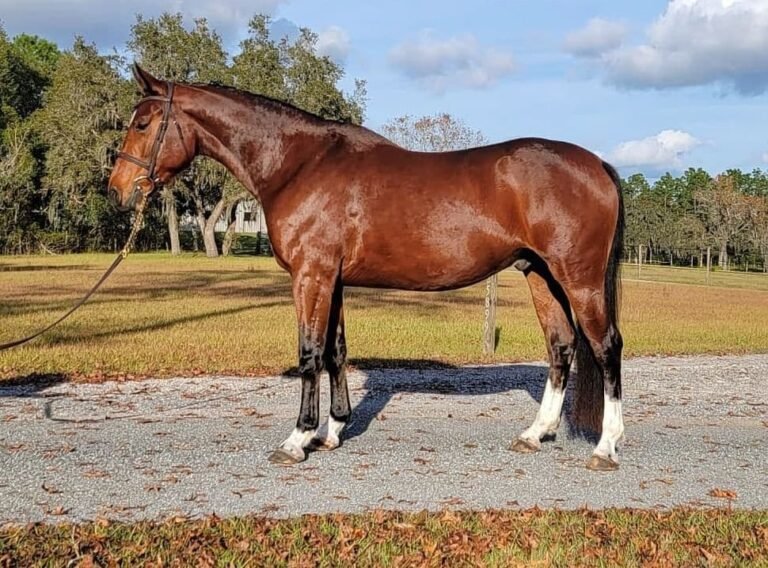 Dressage Horse
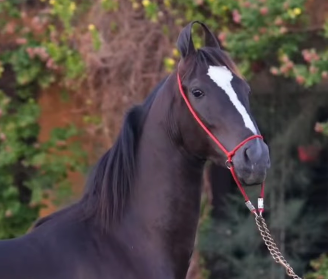 Marwari Horse