

Introduction

Field-ready insemination has become a practical, on‑the‑ground approach for Indian stud farms aiming to improve conception rates while safeguarding mare welfare. This guide focuses on semen handling at the farm, efficient shipment planning, safe thawing, accurate mare synchronization, and robust record-keeping — with particular attention to Marwari and Kathiawari lines. It is written for breeders, stud-farm managers, veterinarians, and breeders who operate outside a centralized laboratory setting.
Breeding success hinges on disciplined workflows, clear communication with semen suppliers, and meticulous data. While every farm may have different resources, the core practices below can be adapted to smallholder outfits and larger operations alike. For broader context on breeding options and stallion availability, you can explore Explore stud farms, View stallions, or Browse horses.
On-farm semen handling: the basics
Receiving semen from a licensed supplier requires careful attention to labeling, temperature control, and cleanliness. Always verify mare-stud details, batch numbers, and collection date before opening a straw. Keep the straw in its protective packaging until ready to use, and isolate each batch to prevent cross‑contamination. Use clean, dry gloves and a dedicated workstation to minimize contamination and maintain a sterile working area.
Immediate steps after arrival
- Check the label for mare/stud pairing, batch number, and date of collection.
- Inspect packaging for leaks or damage; do not use compromised samples.
- Place semen in a controlled temperature environment and plan insemination with the on‑farm team or veterinarian.
Keep a simple, written or digital log of each arrival, including source, batch, and planned insemination window. This prevents mix-ups and supports traceability.
Shipment and cold-chain planning: field realities
Field shipments may involve travel to remote farms or temporary facilities. Plan shipments to minimize transit time, confirm that cold-chain equipment is available at the receiving end, and coordinate with the attending veterinarian or technician. Use validated shipping containers and ensure accompanying documentation is complete. When possible, schedule shipments to align with the insemination window so there is minimal delay between thawing and insemination.
For additional context on breeding options, consider the resources at Explore stud farms and View stallions, which can help you identify compatible sire choices for Marwari and Kathiawari lines.
Thawing protocols and post-thaw handling
Thawing should follow the semen supplier’s instructions. Equine semen is sensitive to temperature changes, so avoid temperature shocks and avoid exposing thawed semen to air for extended periods. After thawing, gently draw the contents into a sterile insemination syringe and prepare for immediate insemination or a brief holding period if needed. If you are unsure, consult your veterinarian or a trained technician and maintain a written thawing protocol on the farm for quick reference.
Record the thaw time, operator, and any observations about the semen’s appearance or handling. Maintain a clean, distraction-free environment during insemination to reduce the risk of contamination.
Mare synchronization: timing and practical considerations
Synchronization should be planned with a veterinarian who understands the herd’s health, nutrition, and environmental conditions. Identify the mare’s optimal estrous window and align insemination timing accordingly to maximize conception probability. For Marwari and Kathiawari mares, ensure consistent nutrition and hydration and monitor for stressors that can affect cyclicity during the breeding season. Documentation of heat signs, ultrasound findings, and pregnancy status will help you adjust subsequent cycles and improve herd fertility over time.
In field settings, a well‑coordinated schedule between the mare owners, breeders, and the insemination team can reduce delays, ensuring inseminations occur when mares are receptive. Every synchronization plan should be mirrored by clear communication and accessible records for rapid decision‑making.
Record-keeping: the backbone of field breeding
Strong records are the difference between repeatable success and ad hoc outcomes. Create a mare‑bred log that captures: mare ID, date of insemination, stallion or semen batch, source, insemination method, technician, and pregnancy outcome. Include notes on health status, nutrition, vaccination history, previous cycles, and any ultrasound results. Digital templates are helpful, but ensure backups and data security. Regularly review breeding data with your veterinarian to refine protocols for Marwari and Kathiawari lines, and to set realistic targets for conception rates and calving intervals.
Practical on‑farm setup: equipment, biosecurity, and workflow
- Dedicated clean area for semen handling with a smooth, easy‑to‑clean surface.
- Appropriate PPE and sterile instruments; single‑use consumables where possible to reduce cross‑contamination.
- Reliable cold‑chain equipment and a plan for rapid transfer from thawing to insemination.
- A simple logbook or spreadsheet with fields for mare, sire, batch, date, and outcome.
- A trained person or team responsible for insemination timing, record updates, and pregnancy checks.
Breed-specific notes: Marwari and Kathiawari lines
Marwari and Kathiawari mares bring distinctive heritable traits and management needs. Field breeding should prioritize consistent feeding, shade and water access, and gentle handling to minimize stress around heat cycles. When selecting stallions, consider compatibility with the mare population and the breeder’s goals for temperament, conformation, and progeny performance. Track and compare outcomes across mares and seasons to identify best practices for these lines, and share practical learnings with your network for continuous improvement.
Implementation checklist: turning practice into routine
- Secure a licensed semen source and verify batch details before pickup or shipment.
- Confirm compatibility between the mare population and the chosen stallion(s).
- Establish a clear cold‑chain plan for transport and storage, with backups for equipment failures.
- Provide staff with a written thawing and insemination protocol, and train on sterile technique.
- Prepare a synchronization plan in consultation with a veterinary professional; schedule heat detection and ultrasound checks.
- Maintain a breeding log for each mare, including outcomes and next steps.
- Schedule regular pregnancy checks and early confirmation of conception when feasible.
- Implement biosecurity measures to reduce disease risk across mares, foals, and staff.
Conclusion
Field-ready insemination in Indian stud farms, especially for Marwari and Kathiawari lines, blends practical handling, timely shipment, thoughtful thawing, precise mare synchronization, and disciplined record‑keeping. By building a dependable workflow, farms can improve conception rates while safeguarding mare health and operational efficiency. Collaborate with veterinarians, adapt procedures to local conditions, and document outcomes to drive ongoing improvement. For further resources and connections, consider exploring the IETA community pages and breeder networks.
FAQ
Q: What is the first step to receive semen on the farm?
A: Verify vendor details, batch number, and collection date; ensure proper labeling and a clean, organized receiving area.
Q: How should thawed semen be handled on site?
A: Follow the supplier’s thawing instructions, use sterile equipment, inseminate promptly, and minimize air exposure until insemination is complete.
Q: How can we synchronize mares effectively in field conditions?
A: Work with a veterinarian to identify the optimal window, use approved synchronization protocols, and monitor nutrition and health to support regular cycling.
Q: What should be included in a breeding record?
A: Mare ID, date, stallion/semen batch, source, insemination method, technician, pregnancy outcome, and any follow‑up actions or notes.
Explore India’s Equine Marketplace
Discover horses, stallions, stud farms and trusted equine services on IETA.
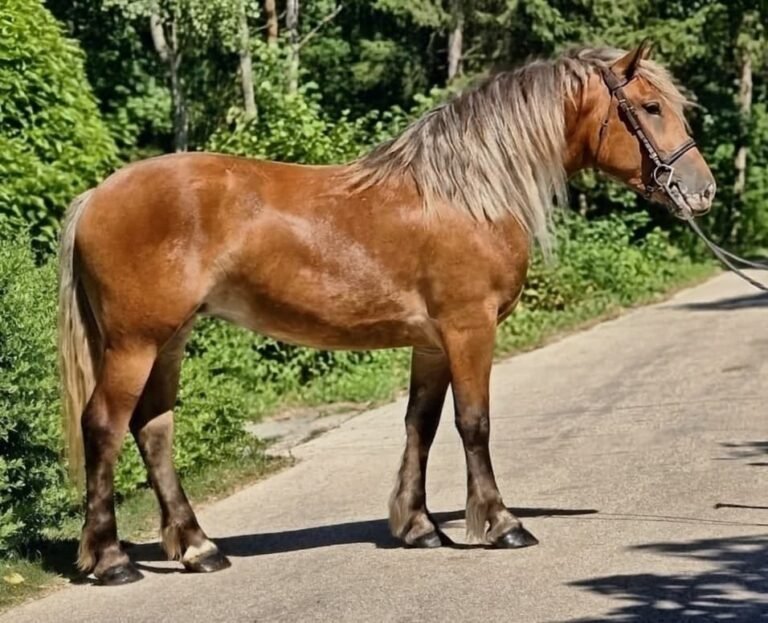 Dressage Horse
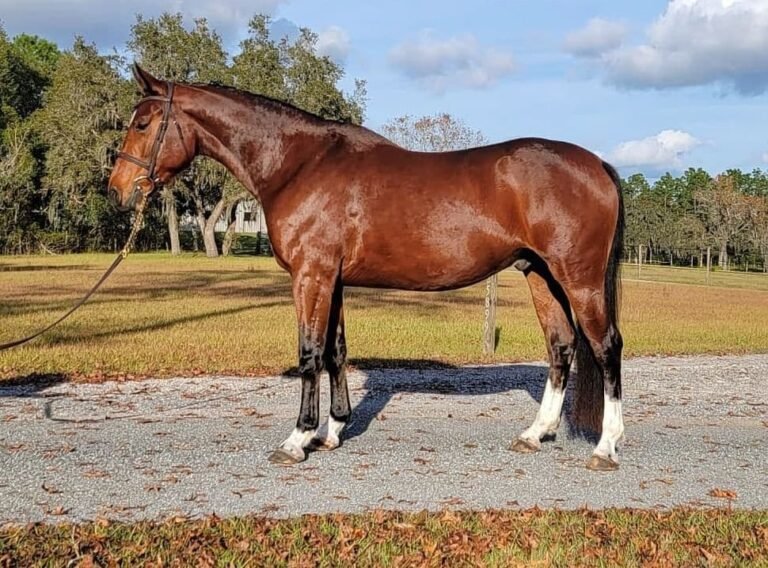 Dressage Horse
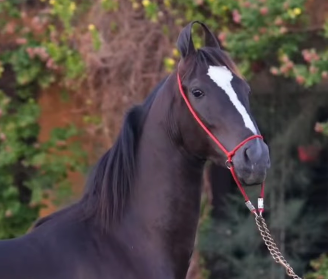 Marwari Horse