

Introduction
For Indian breeders, preparing a mare for breeding is a careful blend of health, timing, and farm logistics. It is as much about sound management as it is about good genetics. A well-prepared mare reduces the risk of breeding complications, supports a healthier pregnancy, and improves the odds of a successful foaling. This guide offers practical steps you can adopt on a typical Indian stud yard, with emphasis on conditions many breeders already manage—from seasonal changes to feed variability. If you are considering your options for stock or partners, you might start by exploring stock and services at our marketplace pages, such as Browse horses, or learn more about stallions and stud farms at View stallions and Explore stud farms.
Preparing a mare is a shared responsibility among owners, veterinarians, and stud farm partners. Do not rush this phase. A thoughtful pre-breeding plan can make the difference between a comfortable gestation and a challenging year on the foaling barn. The aim is to optimize health, timing, and stability so that both mare and foal have the best start possible.
Health and Reproductive History
Medical records and prior breeding outcomes
Begin with a clear record of the mare’s medical and reproductive history. Note any previous foalings, pregnancies, or complications, including abortions or dystocia. If the mare has had prior pregnancies, document interval lengths, any signs of reproductive tract disease, and how she recovered after foaling. A breeder’s folder should include vaccination status, dental health, parasite control, and any ongoing chronic conditions. This information helps your veterinarian tailor a pre-breeding plan that fits your mare’s needs.
Vet checks as a baseline
Prior to breeding, arrange a routine veterinary examination focused on reproductive health. A typical pre-breeding check may include a general health assessment, dental evaluation, parasite status, dental and hoof care, and a reproductive tract evaluation. Your veterinarian will advise whether uterine health is suitable for breeding and whether any interventions are needed. The goal is a stable reproductive tract, free from evident infection or structural issues, enabling reliable embryo development after mating or AI.
Conditioning, Nutrition, and Body State
Body condition and energy balance
Body condition influences fertility. Aim for a balanced body condition that allows good metabolic function without excess fat, which can hinder reproductive hormones. In India, feed availability fluctuates with seasons; adjust rations to maintain a consistent energy intake. Your veterinarian or a qualified equine nutritionist can help you set targets and monitor changes through regular body condition scoring (BCS). A practical approach is to monitor monthly changes and adjust for pregnancy status and activity level.
Nutrition that supports reproduction
Provide a balanced diet emphasizing high-quality forage and appropriate concentrates. Ensure good access to clean water and minerals essential for reproduction, such as calcium and phosphorus, under veterinary guidance. Avoid sudden changes in diet around the breeding window, as abrupt shifts can affect gut health and overall condition. If you work with a stud farm, they can often advise on feed plans aligned with stallion resources and seasonal availability.
Timing, Heat Monitoring, and Estrous Signs
Understanding the estrous cycle
Estrus timing varies with season and individual mares. Recognize that in many parts of India, daylight length and climate influence cycles. Signs of standing heat, such as tail lifting, vulvar winking, and increased responsiveness, help estimate the fertile window. An experienced hand can detect subtle cues, but you should also consider veterinary help for ultrasound confirmation when planning a mating date or AI session. Keep a breeding diary to track cycle timing across months and seasons.
Planning around the cycle
Once you identify the fertile window, coordinate with your stallion partner or AI provider. If you are working with a stud farm, their calendar will help you align mare readiness with stallion availability. Communication is key: share mare history, current health status, and preferred breeding method so plans stay on track. If you need to compare options for sires, you can explore stallion offerings at View stallions and for broader stock, browse at Browse horses.
Breeding Options and Stallion Access
Natural cover vs artificial insemination
Two primary approaches exist for bringing pregnancies to term: natural cover and artificial insemination (AI). Each has practical considerations. Natural cover remains a traditional choice in many Indian settings, particularly where stallion availability is aligned with management practices. AI offers flexibility in stallion choice, often with controlled timing and records, but it requires handling and synchronization with veterinary and farm staff. Discuss options with your veterinary team and stud partner to determine the most suitable approach for your mare, your facilities, and your breeding goals.
Choosing a stallion and coordinating with a partner
Stallion selection should consider not only physical compatibility but also health clearance, reproductive soundness, and your mare’s needs. When coordinating with a stud farm, establish clear expectations regarding semen collection, transfer logistics, and mare preparation timelines. If you are sourcing a stallion or planning AI, you can use our marketplace to locate suitable options and connect with service providers: Explore stud farms and View stallions.
Planning, Records, and a Breeding Calendar
Documentation that supports success
Good record-keeping is as important as good care. Maintain a breeding log that includes mare identification, health status, vaccination reminders, cycle observations, ultrasound results, and breeding dates. Document foaling dates and outcomes to guide future decisions. This record-keeping also helps with stallion coordination, farm scheduling, and foaling management planning. A well-kept calendar reduces last-minute pressure and supports a smoother breeding season.
Foaling planning and mare stability
Work with your veterinary team and stud partner to outline a foaling plan. Anticipate the due date, arrange for foaling supervision if possible, and ensure the basic equipment and staff are ready. Planning also involves nutrition adjustments as gestation progresses and planning for post-foaling care, including mare-foal bonding, vaccination schedules for the foal, and early nutrition strategy.
On the Day of Breeding and Post-Breeding Care
What to prepare for the breeding day
Prepare a quiet, clean environment with proper footing to minimize stress and injury. Ensure mare and handler familiarity to reduce fright or resistance. Have a clear plan for sedation if required, semen handling if AI is used, and a post-breeding rest period. Hawke a straightforward routine for aftercare, including observation for any signs of discomfort or unusual discharge, and immediate contact with your veterinary team if concerns arise.
Post-breeding management
After breeding, monitor the mare for signs of discomfort, colic, or abnormal discharge and ensure continued hydration and nutrition. Provide a calm environment and reduce stressors during the early pregnancy period. If you are new to managing breeding clients or stud facilities, align with your partner’s guidelines for post-breeding care and upcoming checkups. Regular check-ins with your veterinarian help catch early issues that could compromise pregnancy or mare health.
Actionable Checklist: Pre-Breeding Readiness
- Review mare’s medical and reproductive history with the veterinarian.
- Perform a pre-breeding reproductive examination and address any concerns.
- Assess and optimize body condition with a consistent nutrition plan.
- Establish a breeding diary and calendar for heat signs, mating, and foaling dates.
- Decide on breeding method (natural cover or AI) in consultation with the stud partner.
- Coordinate stallion access, semen logistics (if AI), and timing with the mare’s cycle.
- Prepare mare for transport if moving to a different facility for breeding or AI.
- Ensure vaccinations and parasite control are up to date as advised by the veterinarian.
Conclusion
Preparing a mare for breeding is a proactive journey that blends health, timing, and partnership management. In India, where climate, forage, and farm practices vary widely, a clear plan and strong veterinary collaboration are essential. By focusing on health, conditioning, and a thoughtful breeding plan, breeders increase the likelihood of a smooth pregnancy and a healthy foal. Building relationships with trusted stud farms and stallion providers can simplify this process and help you navigate seasonal and logistical challenges. When you are ready to explore options, remember to engage with your trusted partners and consult your veterinarian to tailor a plan to your mare’s unique needs, whether you choose natural cover or AI. For ongoing resources and to connect with breeders and stud farms, consider exploring our marketplace links and resources as you plan for the upcoming breeding season.
FAQ
1. When should I start preparing a mare for breeding?
Begin preparations several weeks before the intended breeding window. This allows time for health checks, any needed treatments, nutritional adjustments, and scheduling with your chosen breeding method and partner. Early planning helps ensure mare readiness without rushing essential steps.
2. What is the most important factor in pre-breeding conditioning?
The most important factor is a stable energy balance and good reproductive tract health. A consistent body condition and a mare free of infections or dental issues that could affect appetite and overall well-being provide a reliable foundation for breeding and pregnancy.
3. How do I choose between natural cover and AI?
Choosing between natural cover and AI depends on mare history, stallion availability, farm logistics, and veterinary guidance. Natural cover can be practical in traditional setups, while AI offers flexibility in stallion selection and scheduling. Discuss options with your veterinarian and stud partner to align with your goals and resources.
4. What records should I maintain for successful breeding?
Keep a breeding diary with mare ID, health status, cycle observations, ultrasound results, mating dates, and foaling outcomes. Track nutrition plans and any medications or interventions. Clear records help you manage expectations, coordinate with stud farms, and make informed decisions for future seasons.
Explore India’s Equine Marketplace
Discover horses, stallions, stud farms and trusted equine services on IETA.

 Dressage Horse
 Dressage Horse
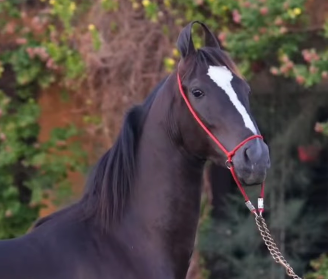 Marwari Horse