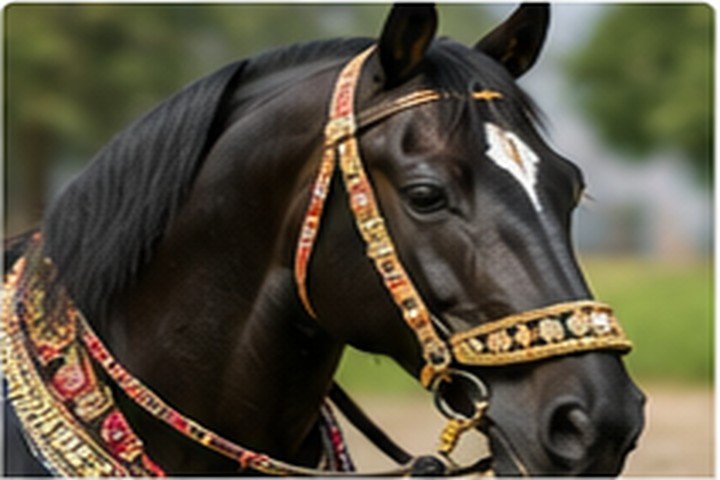


Stallion stewardship is the quiet backbone of responsible breeding in India. For breeders, stud farms, and mare owners alike, the decisions around a stallion’s management, reproductive plan, and welfare ripple through foal health, mare wellbeing, and the reputation of the entire breeding community. This article offers practical guidance for Indian breeders balancing ambition with ethics and real-world constraints.
Foundations of Stallion Stewardship

Healthy, well-managed stallions are not just a means to a foal; they are ambassadors for your breeding philosophy. Responsible stewardship begins with a clear set of goals that prioritise welfare, genetic responsibility, and predictable outcomes for mares and foals. It also requires collaborative relationships between breeders, mare owners, veterinarians, and stable staff. A stallion program thrives when roles are defined, safety is non-negotiable, and data informs decisions.
Aligning breeding goals with horse welfare
Breeding aims should reflect both market demand and the well-being of the horse. Before any season, define goals around temperament, conformation, athletic potential, and health. Align these with the stallion’s natural strengths and ensure management practices minimize stress, fatigue, and injury for both stallions and mare cohorts. Welfare should never be sacrificed for a perceived genetic edge.
Stakeholders and shared responsibility
Proactive stallion stewardship depends on clear communication among breeders, stud farm managers, and mare owners. Documentation, informed consent, and transparent expectations about service terms, foal rights, and genetic considerations help prevent misunderstandings. A cooperative approach strengthens the breeding ecosystem and supports better outcomes for mares and foals alike.
Selecting a Stallion for Responsible Breeding
Choosing a stallion is a multi-faceted decision that goes beyond show ring appeal. It involves evaluating fertility history, health, temperament, and the potential genetic contribution to a broader population. For those exploring options, browse the available stallions at View stallions and consider how each aligns with your program’s goals. If you’re assessing different breeding programs regionally, explore stud farms at Explore stud farms to understand facility standards and management practices. For mare hunters, you can Browse horses to gauge market availability and resonance with your mare’s traits.
Evaluating fertility, health and temperament
Fertility history is a practical starting point. Review stallion semen quality data (where available), prior foaling rates, and any veterinary reproductive workups. A current health screen is essential: check for joint soundness, hoof health, dental status, and evidence of systemic illness. Temperament matters too; a balanced, predictable stallion is safer to handle and more cooperative with mares, handlers, and farm staff. It is prudent to request recent negative health clearances and discuss vaccination and parasite control records with your veterinarian.
Genetics and pedigree: diversity over repetition
Responsible breeding recognises the importance of genetic diversity. When building a stallion’s contribution, consider how he complements the mare’s genetics to avoid excessive inbreeding. Avoid assuming that a single successful pedigree guarantees better foals; instead, weigh genetic diversity, health history, and performance across disciplines. Work with a veterinarian or a breed specialist to interpret pedigrees and plan matings that preserve long-term population health.
Farm Management: Facilities, Handling and Welfare
Facility design and daily routines shape both stallion performance and mare safety. A well-planned environment reduces risk and supports consistent breeding results. Elements such as secure handling areas, appropriate lighting, clean containment, and controlled mare-stallion interactions are foundational. Staff training in calm, consistent handling reduces stress for both stallions and mares and improves safety during breeding activities.
Facility design and safety
Breeding-specific spaces should include a dedicated breeding barn or paddock, safe traffic flow, and escape routes for mares that become distressed. Clean water, comfortable microclimates, and protected footing in carrying areas help prevent injuries during mounting, halter handling, and routine movement. Regular inspection of fencing, gates, and latch mechanisms minimises escape risks and accidental injuries.
Handling, training, and daily care
Designate a consistent, experienced handler for stallions. Regularly scheduled training and turnout routines, with attention to stallion rest days, help prevent frustration-driven behaviors. Daily care should cover nutrition, dental checks, hoof maintenance, and preventive veterinary oversight. A calm routine helps the stallion perform reliably during the breeding season and reduces the likelihood of incidents in the yard or paddocks.
Nutrition, soundness, and preventive healthcare
Breeding stallions require balanced nutrition to support libido, endurance, and recovery after breeding. Align feed with energy needs, body condition, and regional climate. Routine preventive care—vaccinations, parasite control, dental care, and hoof maintenance—supports fertility and overall welfare. Engage a veterinarian for seasonal health planning and to tailor plans to local disease pressures and climatic conditions.
Breeding Planning and Record Keeping
Effective breeding planning synchronises mare readiness with stallion availability. Robust record-keeping translates into accountability and repeated success across seasons. Systems should capture breeding dates, mare health parameters, semen reception or collection data (if AI is used), pregnancy checks, foal outcomes, and any adverse events. Clear contracts and terms around stud fees, foal ownership, and guarantees help prevent disputes and foster trust among mare owners and breeders.
Breeding calendars and mare readiness
Develop a breeding calendar that aligns with mare cycles, mare health status, and stallion fertility windows. Establish criteria for when a mare is ready to be bred—including reproductive health checks, pelvic health where applicable, and overall fitness. This planning reduces the need for rushed decisions and minimises stress for all animals involved.
Contracts, stud fees, and foal guarantees
Clear contracts should cover stud fee structure, ownership of foals, and any guarantees or refund policies. For AI or semen shipments, specify handling responsibilities, shipping timelines, and acceptance criteria for semen quality. Transparent terms help maintain professional relationships with mare owners and support ethical breeding practices.
Records and data management
Maintain centralized records that are accessible to relevant staff and, where appropriate, mare owners. Data to track include mare identification, breeding dates, semen lot numbers, pregnancy confirmations, and foal health records. An orderly archive supports future matings and enables you to review outcomes across seasons for continuous improvement.
Biosecurity, Welfare and Ethical Considerations
Biosecurity and welfare are non-negotiable in stallion management. Quarantine protocols for new arrivals, routine disease surveillance, and controlled exposure between stallions and dames help prevent outbreaks. Equally important is ensuring stallions receive adequate rest, social interaction where appropriate, and humane handling that respects their well-being and safety.
Quarantine and disease prevention
Introduce new animals through a defined quarantine period and veterinary clearance. Maintain up-to-date vaccination schedules and deworming plans aligned with local advice. Hygiene around equipment, feed, and water sources reduces cross-contamination risks and protects both stallions and mares.
Welfare: rest, downtime, and humane handling
Respect the stallion’s need for downtime between breeding sessions and ensure safe, humane handling. Environmental enrichment and appropriate turnout help manage stress and promote better behavior at the stallion’s workplace. Welfare is not a cost—it is a foundational investment in sustainable breeding results.
Advisor-Mare Owner Partnerships
Transparent, respectful partnerships with mare owners are essential. Provide clear information about the stallion’s temperament, health status, and previous breeding outcomes. When possible, offer pre-breeding evaluations, discuss mare compatibility, and outline what both parties expect from the mating. A collaborative approach enhances trust and increases the likelihood of successful foaling seasons.
Transparency and information sharing
Share available health records, vaccination histories, and any relevant temperament notes with mare owners and their veterinarians. Honest communication helps mare owners make informed decisions and fosters long-term relationships with your stud program.
Negotiations and expectations
Set realistic expectations for foal numbers, potential traits, and timelines. Be upfront about any limitations or medical considerations that could affect fertility or foal outcomes. Clear negotiations protect both parties and uphold the reputation of your breeding operation.
Practical Checklist for Stallion Management
- Confirm current health and fertility status with a veterinarian.
- Ensure quarantine and health screening for new arrivals or visiting mares.
- Prepare a breeding calendar aligning stallion availability with mare readiness.
- Maintain a detailed record-keeping system for matings, semen, pregnancies, and foals.
- Review and update contracts, fees, and foal ownership terms with mare owners.
- Inspect facilities for safety, cleanliness, and proper mare-stallion interaction spaces.
- Establish a calm handling protocol and assign an experienced handler.
- Ensure appropriate nutrition and preventive healthcare are in place.
- Discuss genetic diversity goals and document planned matings to avoid excessive inbreeding.
- Plan for rest periods and humane breeding practices to protect stallion welfare.
Conclusion
Stallion stewardship is a shared responsibility that shapes the future of Indian breeding. By balancing practical management with welfare, transparent communication, and thoughtful genetics, breeders can build robust, ethical programs that benefit mares, foals, and the broader equine community. The work is ongoing, but with clear goals and disciplined execution, responsible breeding becomes a sustainable, rewarding endeavour for Indian stud farms.
FAQ
- 1) What constitutes responsible stallion management in India?
- Responsible stallion management combines welfare-centric handling, routine health care, transparent mare matching, and ethically sound breeding practices. It includes clear contracts, data-driven planning, biosecurity, and ongoing collaboration with veterinarians and mare owners.
- 2) How should I evaluate a stallion for breeding suitability?
- Assess fertility history, current health clearance, temperament, conformation relevant to breeding goals, and the potential for genetic diversity. Consider the stallion’s offspring performance and use veterinary checks to verify reproductive health and overall soundness.
- 3) What records should a stud farm maintain?
- Keep mare and stallion identification, mating dates, semen lot numbers (if AI), pregnancy confirmations, foaling outcomes, health records, vaccination and deworming schedules, and contract terms. Regularly back up data and review outcomes to guide future matings.
- 4) What biosecurity measures are essential before introducing a mare or stallion?
- Implement quarantine for new arrivals, require veterinary clearance, practice hygiene around semen handling and equipment, and monitor for signs of disease. Regular vaccination and parasite control aligned with local veterinary guidance reduce risk.
Explore India’s Equine Marketplace
Discover horses, stallions, stud farms and trusted equine services on IETA.

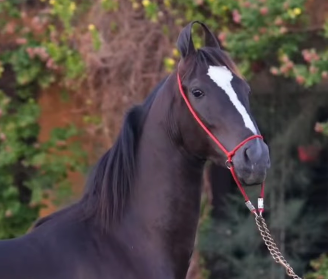 Marwari Horse
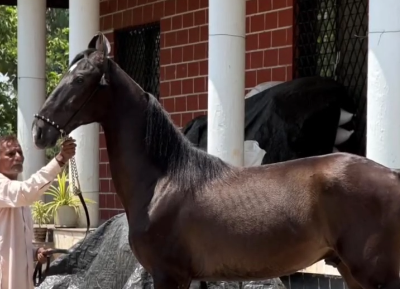 Marwari Horse
 Marwari Horse