

In India’s diverse equine landscape, stud farms operate with tight budgets, seasonal pressures, and high expectations from breeders and buyers. Biosecurity—often perceived as costly or complex—can be distilled into a practical toolkit that protects mares, stallions, foals, and the wider farm community. The core idea is simple: reduce disease entry, limit spread, and make routine work safer and more efficient. This editorial outlines a low-cost biosecurity toolkit focused on three pillars: quarantine procedures, shared-tack hygiene, and movement controls. Implemented thoughtfully, these measures do not require large capital outlays, but they do demand consistency, training, and clear farm-wide policies.
Why a low-cost toolkit works on Indian stud farms

Many farms operate with shared facilities and frequent turnover of horses around breeding seasons. A budget-friendly approach accepts constraints while emphasizing discipline, record-keeping, and simple, repeatable routines. Key benefits include fewer disease outbreaks, better animal welfare, smoother training cycles, and stronger confidence among staff and buyers. The toolkit is designed to be scalable: start with a small quarantine area if space allows, then expand hygiene zones and movement controls as the herd and workflow grow. Practical toolkits also foster a culture of caution—where everyone understands that small actions, repeated well, prevent big problems. For farmers seeking broader perspectives, exploring other stud-farm practices can be insightful: Explore stud farms or View stallions, and to connect with the wider IETA community, Visit IETA.
Quarantine procedures: isolating new arrivals and safeguarding the core herd
Quarantine is the first line of defense against introducing illness into a stable population. A practical quarantine plan includes a dedicated area, separate from the main paddocks, able to accommodate new arrivals for a defined observation period. The emphasis is on separation and monitoring rather than complex infrastructure. Practical steps include a clearly marked isolation zone, dedicated handling equipment, and a simple logbook that records arrival date, source, health observations, and veterinary checks. Any signs of illness should trigger veterinary consultation and, if needed, isolation of affected individuals away from the main herd.
Designing a simple quarantine area on a budget
Even compact farms can establish a functional quarantine zone using inexpensive partitions, a sheltered shelter, and a basic feed-and-water station. The goal is to prevent direct contact with the main herd and to enable easy cleaning. Use durable, easy-to-clean surfaces for stalls and a separate set of tools for quarantine animals. Color-code gear and tacks to minimize cross-use. Maintain a straightforward daily routine: monitor appetite, temperature (if feasible with basic instruments), and any abnormal behavior. Record observations consistently and share notes with the attending veterinarian.
When to extend quarantine and how to manage
Quarantine decisions should hinge on veterinary guidance and on the risk profile of the arrival. In practice, farms should have a written policy that determines the duration of isolation and the protocol for test results or signs of disease. If a horse shows any concerning signs, isolates immediately, and escalate to a veterinary assessment. Maintain transparent communication with buyers and suppliers about quarantine procedures to build trust and compliance across the supply chain. Internal links to neighboring facilities and supplier networks can help align expectations: Explore stud farms.
Shared-tack hygiene: safeguarding equipment, riders, and handlers
Shared tack and equipment are potential disease-transmission pathways. A simple hygiene protocol can dramatically reduce risk without burdening daily workflows. The emphasis is on routine cleaning, segregation of gear, and effective disinfection with affordable products. A practical program includes color-coded storage, a designated cleaning station, and a weekly audit to ensure compliance. Training staff and riders to handle tack safely when moving between horses—especially from quarantine to the main herd—reduces cross-contamination. Consider the following routine: after every session, wash leather gear and metal bits with soap and water; dry thoroughly; and apply a light disinfection appropriate for metals and leather. Store gear in clean, dry spaces and designate personal tack for staff wherever possible. For broader insights, browse our horse catalog to see how farms manage equipment across stalls and paddocks: Browse horses.
Cleaning protocols and practical storage
Use simple, affordable disinfectants appropriate for the farm environment. Maintain a log of cleaning activities and keep a small inventory of spare parts and repair supplies for tack. Consider low-cost, durable storage solutions—sturdy bins, shelves, and hooks—that keep gear off the ground and easy to sanitize. Train staff to wash hands before handling tack and to use separate equipment when transitioning between horses with different risk profiles. Regularly check for signs of wear that could harbor pathogens or reduce the effectiveness of cleaning. A stable, routine approach wins adherence and reduces the chance of lapses during peak breeding periods.
Movement controls: managing people, horses, and vehicles across the farm
Movement controls are about reducing unnecessary cross-contact between groups of horses, visitors, and vehicles. A simple policy can have a big impact on disease risk. Start with a clear visitor policy, designated entry points, and a check-in process that records names, purpose, and contact information. For staff and riders, establish a clean-to-dirty workflow that minimizes contact between horses of different risk categories. Vehicle hygiene is critical: ensure trailers and transport equipment are cleaned and disinfected before and after each use, especially if sharing between different groups of horses. A practical, budget-friendly approach is to create a one-way flow on busy days, designate separate routes for quarantine horses, and ensure hand-washing or sanitizing stations are accessible at all entry points.
Policies to consider and how they work on the ground
Implement a simple, written movement-control policy that is understood by all staff. Post the rules, train new hires during onboarding, and review procedures at the start of each breeding season. Communicate with buyers and visiting professionals about the farm’s biosecurity expectations to ensure alignment across the supply chain. For a broader picture of how movements are managed in larger networks, you can explore related stud-farm resources here: Explore stud farms and Browse horses.
Implementation: a practical 6-step checklist
- Assess your farm’s existing spaces and workflows. Identify potential risk points in quarantine, tack usage, and movement paths.
- Map zones (green for safe, yellow for transitional, red for quarantine or high-risk areas) and communicate the scheme to all staff.
- Establish quarantine procedures for new arrivals, with a logbook and a dedicated set of tack and equipment.
- Institute shared-tack hygiene routines: cleaning, segregated gear, and storage protocols.
- Implement movement-control policies: visitor management, clean/dirty workflows, and vehicle hygiene.
- Maintain records and provide ongoing training. Review the toolkit quarterly and adjust with veterinary guidance when needed.
Costs, resources, and training
The beauty of this toolkit lies in its affordability. Most recommendations rely on existing space, basic cleaning supplies, and disciplined routines rather than expensive equipment. Start with a modest quarantine corner, a small cleaning station, and a simple log system. Invest in color-coded tack storage, clearly labeled zones, and basic training modules for staff. The real cost savings come from prevention: fewer disease incidents mean lower veterinary expenses, reduced downtime, and greater confidence among buyers and partners. Involve farm staff in the design of the toolkit; practicality grows when the people who implement it help tailor the rules to your specific farm layout and seasonal demands. For broader engagement, you can connect with the wider equine marketplace via our study and vendor resources: Vendor program and Visit IETA.
Monitoring, review, and community practices
Biosecurity is an ongoing discipline, not a one-time project. Track adherence through simple audits, weekly checklists, and monthly reviews with farm staff and your veterinarian. Encourage a culture of transparency—quickly addressing lapses helps prevent them from becoming habits. Share learnings with the broader Indian breeding community through stud-farm networks and markets, and stay alert to emerging risks in transit, feed, and contact between horses. A well-functioning toolkit is not only about safeguarding health; it also reinforces animal welfare, protects your investment, and supports the trust that buyers place in your breeding program.
Conclusion
A low-cost biosecurity toolkit for Indian stud farms is achievable with disciplined routines, clear policies, and practical, field-tested steps. By prioritizing quarantine for new arrivals, enforcing shared-tack hygiene, and implementing movement controls, farms can markedly reduce the risk of disease outbreaks without breaking the bank. Begin with simple changes, document the process, and scale as your operation grows. A healthy herd is the foundation of a sustainable breeding business, and the rewards extend beyond today’s breeding season into the long-term health and reputation of Indian equine farming.
FAQ
- What is the core idea behind a low-cost biosecurity toolkit?
- The toolkit centers on three practical pillars: quarantine procedures for new arrivals, hygiene practices for shared tack and equipment, and movement controls to reduce cross-contact among horses, people, and vehicles. All steps are designed to be affordable and scalable.
- How should new arrivals be handled to minimize risk?
- Isolate new arrivals in a dedicated quarantine area away from the main herd, with separate gear and routine veterinary checks. Keep a log of arrival details and health observations, and escalate to a vet if any concerns arise.
- What are simple shared-tack hygiene practices?
- Wash and dry tack after use, disinfect where appropriate, store gear in clean, dry spaces, and use color-coded storage to prevent cross-use. Train staff to follow a consistent cleaning and handling routine before interacting with different horses.
- How can movement controls be implemented on a busy farm?
- Establish a visitor policy and clear entry points, enforce clean-to-dirty workflows for personnel, and ensure trailers and equipment are cleaned before and after each use. Create a one-way flow during peak periods to reduce cross-contact.
Explore India’s Equine Marketplace
Discover horses, stallions, stud farms and trusted equine services on IETA.
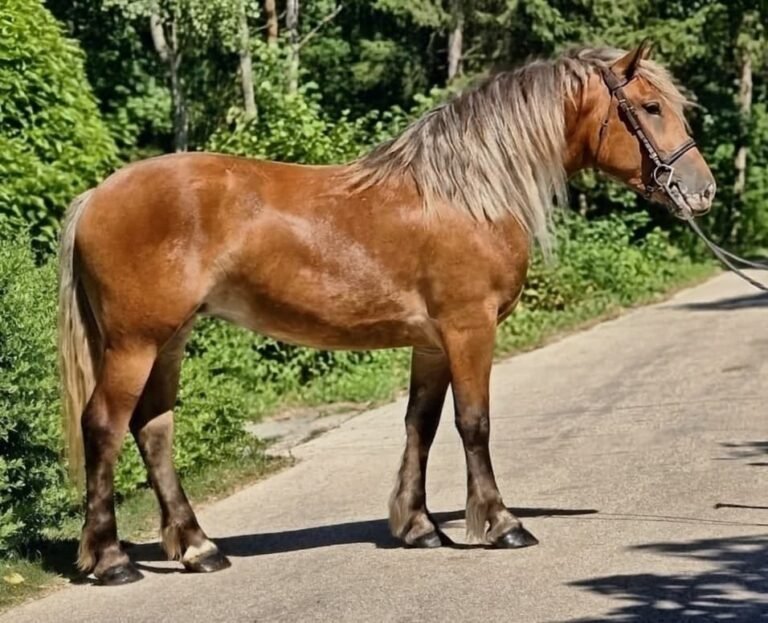 Dressage Horse
 Dressage Horse
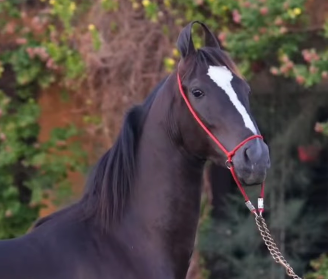 Marwari Horse